
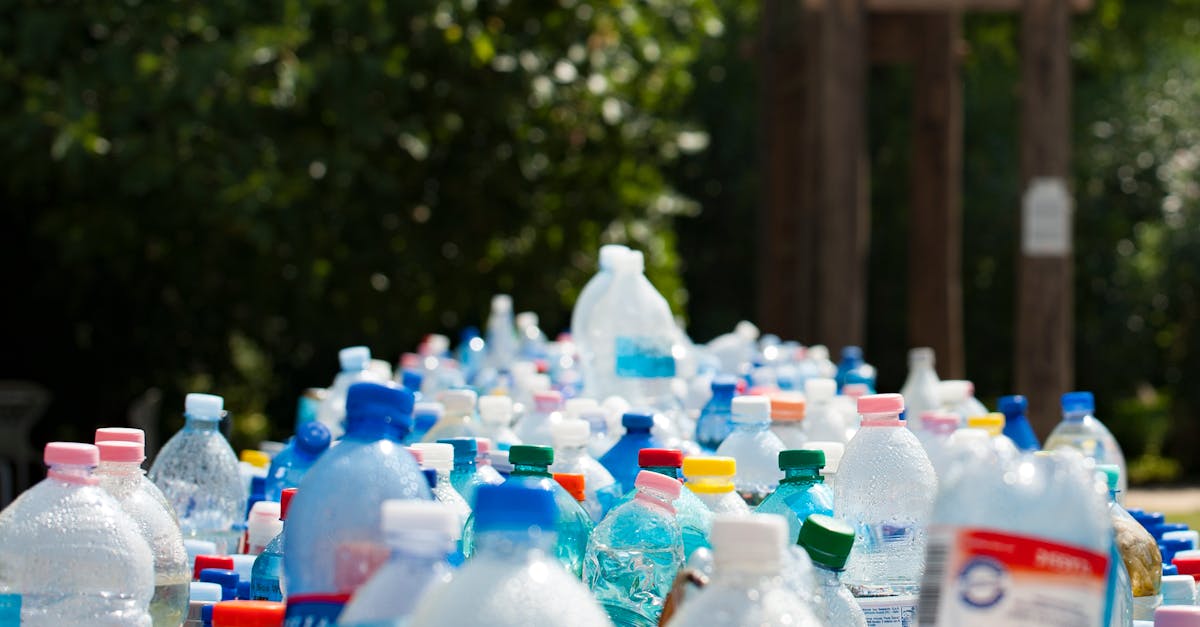
Plastic recycling is frequently portrayed as a universal remedy for plastic pollution, yet the truth is far more nuanced. While recycling plays a meaningful role, it cannot singlehandedly eliminate plastic waste due to technical, economic, behavioral, and structural constraints. This article explores these limitations, presents supporting evidence and examples, and highlights additional strategies that need to accompany recycling to achieve lasting impact.
The current scale: production, waste, and what recycling actually achieves
Global plastic production has surged to well over 350 million metric tons annually in recent years. A landmark assessment of historical production and waste revealed that, of all plastics manufactured through 2015, only around 9% had been recycled, approximately 12% had been incinerated, and the remaining 79% had accumulated in landfills or the natural environment. This analysis underscores the stark imbalance between the scale of production and the portion that recycling can feasibly recover. Estimates indicate that marine leakage from mismanaged waste ranges from about 4.8 to 12.7 million metric tons per year, highlighting how substantial volumes of plastic never enter formal recycling systems.
Technical boundaries: materials, contamination, and the challenge of downcycling
- Not all plastics are recyclable: Conventional mechanical recycling performs optimally with relatively clean, single-polymer materials like PET bottles and HDPE containers. Multi-layer packaging, various flexible films, and thermoset plastics remain challenging or unfeasible to process at scale through this method.
- Contamination reduces value: Food remnants, mixed polymers, adhesives, and colorants compromise recycling streams. When contamination is high, entire loads may lose viability for recycling and must instead be diverted to landfilling or incineration.
- Downcycling: With each mechanical recycling cycle, polymer quality declines. Recycled plastics frequently end up in lower-performance applications, such as shifting from food-grade bottles to carpet fibers, which postpones disposal but fails to establish a true closed-loop for premium uses.
- Microplastics and degradation: Through weathering and physical stress, plastics break down into microplastics. Recycling cannot recover material already dispersed into soil, waterways, or the air, nor does it address microplastic pollution already present in ecosystems.
- Food-contact and safety restrictions: Regulatory requirements for recycled plastics in food packaging limit the streams that qualify unless extensive and costly decontamination procedures are applied.
Economic and market obstacles
- Virgin plastic is frequently less expensive: When oil and gas prices drop, manufacturing new plastic often becomes more economical than gathering, separating, and reprocessing recycled inputs, which in turn weakens the market appetite for recycled materials.
- Restricted demand for recycled material: Even when high-grade recycled resin is available, producers may still choose virgin polymer for performance or compliance considerations unless regulations require the use of recycled content.
- Expenses tied to collection and sorting: Effective recycling depends on dependable pickup networks, sorting infrastructure, and stable marketplaces, all of which involve fixed operational costs that are more difficult to offset when waste streams are scattered or heavily contaminated.
Environmental exposure arising from infrastructure and governance
- Uneven global waste management: Numerous nations lack sufficient collection systems, landfill oversight, and formal recycling networks, and in such settings recycling efforts cannot stop plastics from escaping into waterways and the sea.
- Trade and policy shocks: When leading waste-importing countries alter regulations—China’s 2018 “National Sword” directives being a well-known example—markets for recyclable materials may crumble abruptly, revealing the vulnerability of depending on global commodity flows for recycling.
- Informal sector dynamics: In many areas, informal waste pickers retrieve valuable materials, yet they operate without steady contracts, social safeguards, or the infrastructure investment required to scale up to manage the full waste stream.
The excitement around advancing technology and the limitations that continue to challenge chemical recycling
Chemical recycling is frequently presented as a solution to mixed and contaminated plastics because it aims to break polymers back into monomers or fuels. But there are caveats:
- Many chemical pathways are energy-intensive and may have high greenhouse gas emissions unless powered by low-carbon energy.
- Commercial scale and economic viability remain limited; many pilot plants have yet to prove sustained operation at scale.
- Some processes produce outputs suitable only for low-value uses or require complex cleanup to meet food-contact standards.
Chemical recycling can complement mechanical recycling for difficult streams, but it is not yet a panacea and cannot substitute for reduced consumption.
Cases and examples that illustrate limits
- China’s National Sword (2018): By sharply curbing the entry of contaminated plastic imports, China revealed how heavily global recycling had relied on shipping low-grade waste abroad. Exporting nations were suddenly left with substantial volumes of mixed plastics and few internal outlets, resulting in growing stockpiles or increased reliance on landfilling and incineration.
- Norway’s deposit-return systems: Countries operating robust deposit-return schemes (DRS) such as Norway reach exceptionally high bottle-return rates—often exceeding 90%—demonstrating how well-designed policies and incentives can deliver strong recycling outcomes for certain material streams. However, even this level of performance mainly covers beverage containers, not the far broader array of single-use packaging and long-lived plastics.
- Marine pollution hotspots: Significant flows of poorly managed waste across coastal areas in Asia, Africa, and Latin America show that gaps in recycling infrastructure and governance—rather than the absence of recycling technology—are the primary drivers of debris entering the oceans.
- Downcycling in practice: Recycled PET from bottles frequently becomes polyester fiber for non-food applications; these items have shorter lifespans and eventually return to the waste stream, underscoring the inherent limits of recycling in reducing overall material consumption.
Why relying solely on recycling cannot serve as the only strategy
- Scale mismatch: Every year, vast quantities of plastic measured in hundreds of millions of metric tons exceed what current recycling systems can realistically handle, hampered by contamination, intricate material blends, and financial constraints.
- Growth trajectory: With plastic production continuing its upward climb, even marked improvements in recycling efficiency will still leave large portions unaddressed.
- Leakage and legacy pollution: Recycling is unable to recover plastics already scattered across natural environments or halt the movement of microplastics through waterways and food chains.
- Behavioral and design issues: Ongoing reliance on disposable products and design choices that prioritize ease of use rather than longevity or recyclability keep generating waste streams that remain difficult to manage.
What additional measures should accompany recycling for it to achieve genuine effectiveness
Recycling should be woven into a broader set of policies and a revamped market framework that encompasses:
- Reduction and reuse: Give priority to cutting out excessive packaging, transitioning toward reusable formats such as refill options, long-lasting containers, and coordinated reuse logistics, while also encouraging product-as-a-service models.
- Design for circularity: Streamline material choices, minimize the range of polymers used in packaging, remove troublesome additives, and craft items that can be easily taken apart and recovered.
- Extended Producer Responsibility (EPR): Ensure producers bear the financial burden of end-of-life management so disposal costs are internalized and stronger design and collection practices are promoted.
- Deposit-return schemes and mandates: Broaden DRS coverage for beverage packaging and consider incentives that support refilling across a larger variety of goods.
- Invest in waste infrastructure: Allocate funding to collection, sorting, and safe disposal in areas experiencing significant leakage, while facilitating the transition of informal workers into regulated systems.
- Market measures: Set mandatory recycled-content thresholds, offer subsidies or procurement advantages for recycled inputs, and eliminate harmful incentives that favor virgin plastics.
- Targeted bans and restrictions: Prohibit or gradually remove problematic single-use products when practical substitutes exist and where bans effectively lower leakage risks.
- Transparency and measurement: Strengthen material tracking, enhance traceability, and apply standardized indicators so both policymakers and businesses can assess progress beyond basic recycling volumes.
Targeted actions crafted for diverse stakeholder groups
- Governments: Establish enforceable goals for reuse and recycled content, broaden DRS initiatives, allocate resources for infrastructure, and roll out EPR systems aligned with clear design criteria.
- Businesses: Reconfigure products to enable reuse and repair, cut down on superfluous packaging, adopt validated recycled-content commitments, and direct capital toward refill or take-back solutions.
- Consumers: Choose reusable alternatives whenever possible, back measures that curb single-use packaging, and avoid improper recycling that disrupts material recovery.
- Investors and innovators: Support scalable waste-management systems, fund practical chemical-recycling trials with transparent emissions tracking, and develop revenue models that reward reuse.
Recycling remains essential, yet it falls short on its own, as its impact is limited by the nature of materials, market forces, practical collection challenges, and the overwhelming volume of plastic being produced and persisting in the environment. Achieving a lasting solution to plastic pollution demands a reexamination of how plastics are created, used, and valued, giving priority to reduction, reuse, better design, focused regulation, and robust infrastructure investments alongside advancements in recycling technologies. Only by integrating all these strategies can society move beyond simply handling plastic waste and instead prevent pollution while helping ecosystems recover.
