

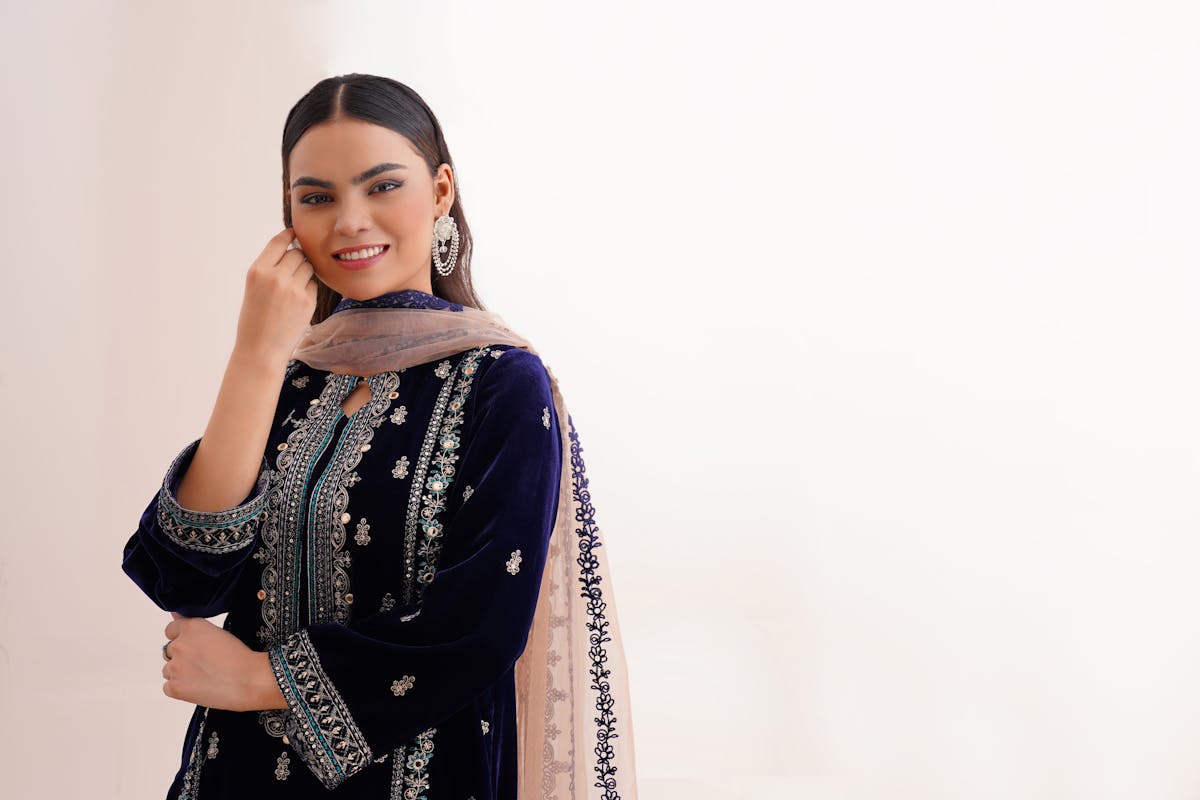
The term haute couture conjures visions of luxury, craftsmanship, and the height of fashion design. Stemming from the French language, haute couture denotes high sewing or high dressmaking. This elite sphere of fashion operates under rigorous standards and traditions established by the Chambre Syndicale de la Haute Couture, an authority within the French Ministry of Industry. A haute couture show stands as the result of painstakingly created garments designed for the most selective clientele, serving as an occasion that highlights not only fashion but the artistry behind wearable creations.
The Unique Nature of Haute Couture
Haute couture markedly contrasts with ready-to-wear (prêt-à-porter) because each creation is tailored exclusively for an individual client, with garments crafted entirely by hand from start to finish, often demanding hundreds or even thousands of hours from skilled artisans, and this realm of fashion goes beyond visual appeal by safeguarding traditional techniques such as embroidery, pleating, and precise sewing, all executed at the highest level.
Each item generally incorporates rare and delicate fabrics such as silk, satin, and lace, frequently enhanced with detailed beading and refined embroidery, while the creation process remains exceptionally labor-intensive and draws on specialized skills spanning several areas of the fashion industry.
Staging a Haute Couture Show
A haute couture show is traditionally held in exceptional venues that complement the exclusivity of the garments being presented. Paris remains the epicenter of haute couture fashion shows, as it has been historically recognized for its place in fashion leadership. These shows are often produced twice a year, in January and July, coinciding with the haute couture fashion weeks in the fashion capitals.
The audience is limited to a select few, including the media, fashion critics, and elite clientele, making the event extremely private and coveted. Tickets are not available for public sale, maintaining the exclusivity of these sartorial exhibitions. Each show is a visual narrative, meticulously planned and executed to emphasize the designer’s vision, often reflecting themes of luxury, history, and storytelling.
Economic and Cultural Influence
Although haute couture attracts a relatively niche clientele, its influence radiates powerfully throughout the broader fashion industry. These collections frequently guide emerging trends, ultimately shaping mainstream styles that filter into ready‑to‑wear ranges and high‑volume retail. From an economic perspective, even if haute couture generates modest direct sales, the prestige it confers enhances a designer’s brand identity, often boosting revenue through complementary avenues such as fragrances, accessories, and various licensing agreements.
In cultural terms, haute couture has long safeguarded valuable artisanal traditions, allowing expertise to be passed down through successive generations, and these presentations pay tribute not only to the designers but also to the skilled craftspeople, including pattern makers, seamstresses, and embroiderers, who transform each creator’s vision into reality.
Viewing a haute couture show is akin to stepping into a realm where art and fashion merge to create something extraordinary. This unique domain of fashion celebrates craftsmanship, imagination, and luxury, acting as both a historical repository of high-fashion traditions and as a beacon of innovation. Haute couture remains not just an industry, but a reflection of cultural heritage, artistic expression, and the enduring human spirit in its pursuit of beauty.
