
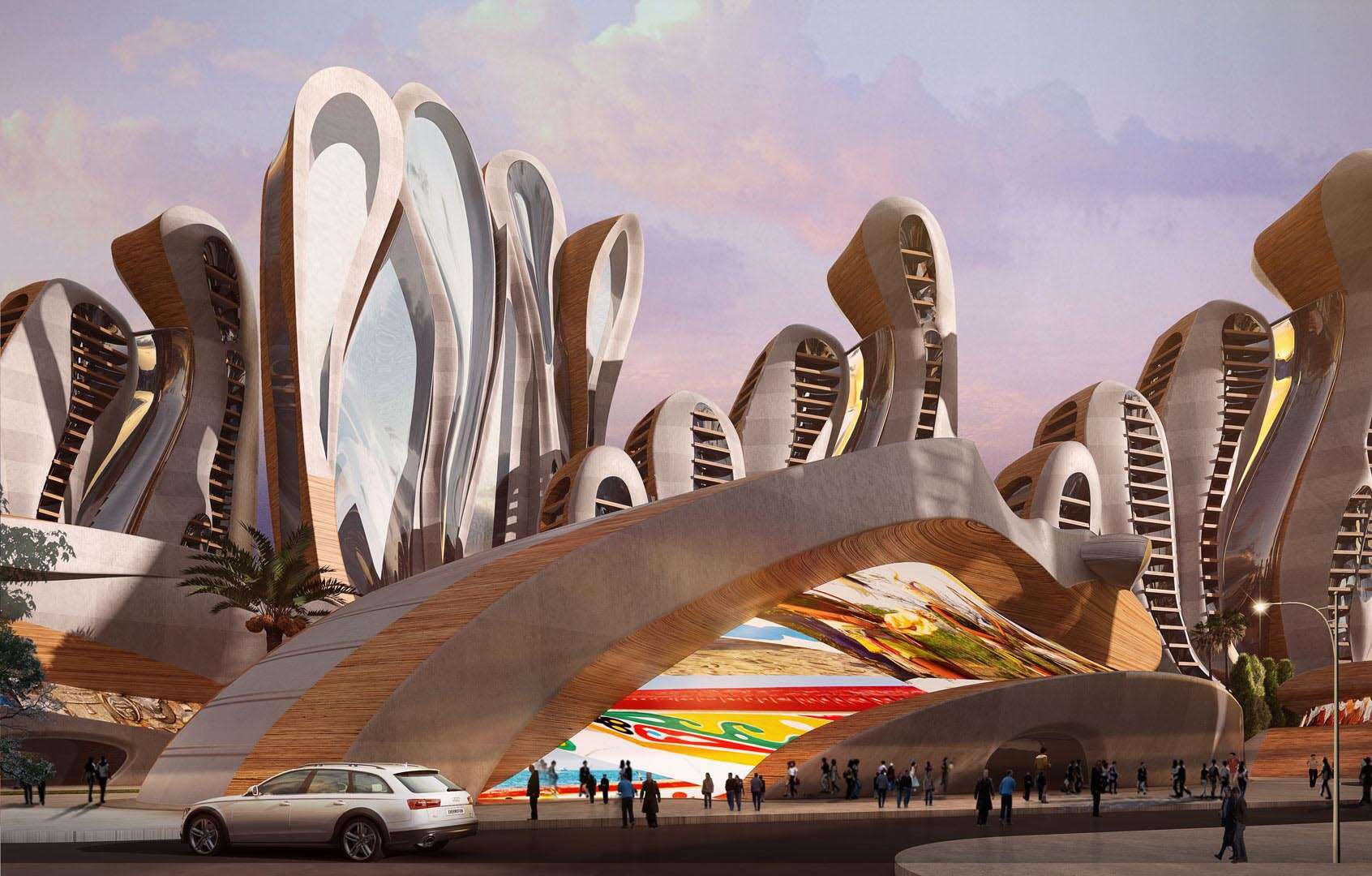
Akon, the Senegalese-American musician and entrepreneur, once captivated global headlines with his bold vision to build a futuristic, $6 billion smart city in his ancestral homeland of Senegal. Marketed as a high-tech utopia powered entirely by renewable energy and utilizing its own cryptocurrency, “Akon City” promised to transform the region by blending innovation with economic opportunity. Years after its grand announcement, however, the ambitious project appears to have stalled, with reports indicating that the city has been largely abandoned.
When Akon unveiled the concept in 2020, the idea was met with both excitement and skepticism. Drawing inspiration from movies like Black Panther, the artist imagined a cutting-edge metropolis complete with skyscrapers, luxury resorts, a tech hub, and sustainable infrastructure. The city was intended to run on Akoin, a cryptocurrency designed to empower African economies. At the time, Akon described the project as a way to provide jobs, stimulate growth, and offer a symbol of African progress.
The proposed location for Akon City was a 2,000-acre plot along the Atlantic coast, near the Senegalese village of Mbodiène. The government of Senegal reportedly donated the land, seeing the project as an opportunity to boost tourism, investment, and development. Akon claimed to have secured funding from private investors and envisioned the first phase of construction—consisting of roads, homes, and a police station—completed by 2023.
Nevertheless, as time went by, there was minimal physical advancement visible on the location. Reporters and community members who have been to the area have portrayed the land as mostly unchanged, with merely a modest sign indicating the prospective spot for the city. It has been reported that no significant building activities have occurred, and several of the bold commitments are still unachieved.
For the people living near the proposed development, the absence of progress has raised doubts and frustration. Some had anticipated new job opportunities, infrastructure, and tourism-driven benefits. Instead, they continue to live in villages with limited access to basic services, while the dream of Akon City seems increasingly out of reach.
The absence of noticeable progress has led to speculation about whether the project was ever financially feasible or overly ambitious from the start. Significant urban initiatives necessitate considerable, continuous funding and coordination—especially in areas where infrastructure remains under development. Certain analysts have highlighted the difficulties of initiating such a sophisticated city in a place lacking the essential groundwork.
Akon, for his part, has maintained in interviews that the project is still alive, citing delays related to the COVID-19 pandemic and economic disruptions as key reasons for the slow pace. He has emphasized that building a city from scratch is a complex, multi-year undertaking that requires careful planning and resource allocation. Yet despite these reassurances, public trust in the project appears to have eroded as the promised progress remains unseen.
The overarching concept of Akon City—centered around the use of blockchain technology, sustainable energy, and modern design to uplift African communities—struck a chord with many who envisioned significant transformation across the continent. Africa hosts some of the world’s rapidly expanding economies and has youthful demographics eager for advancement. Akon’s ambition matched a broader story of local solutions and contemporary African achievements.
Nonetheless, the practical execution of such visionary projects has proven to be a different matter altogether. Akon City is not the first high-profile development to face setbacks on the continent. Numerous proposed smart cities across Africa, from Kenya’s Konza Technopolis to Nigeria’s Eko Atlantic, have similarly encountered delays, funding issues, or reduced scope compared to initial promises.
The gap between visionary ideals and on-the-ground realities highlights the challenges of implementing megaprojects in emerging economies. Issues such as land ownership, financing, government partnerships, and regulatory hurdles can complicate even the most well-intentioned plans. Moreover, the sheer scale of building a futuristic city from the ground up presents logistical challenges that are difficult to overcome without substantial and consistent backing.
For many in Senegal, the story of Akon City is a cautionary tale about grand promises that fail to materialize. While the artist’s intention to give back to his homeland and contribute to Africa’s future development is widely acknowledged, the lack of tangible progress has left many disillusioned.
The situation has also prompted broader conversations about how development should occur in Africa. Critics argue that large-scale, top-down projects often divert attention from more immediate, community-based solutions that could have a more direct impact on people’s lives. Rather than focusing on high-profile, expensive cityscapes, some advocate for investments in education, healthcare, small businesses, and existing urban centers.
Akon’s high-profile involvement brought international attention to the idea of African-led innovation and the potential for economic growth on the continent. Regardless of whether Akon City ultimately comes to fruition, the discourse it sparked about Africa’s future, technology’s role, and the importance of infrastructure and investment remains significant.
As of now, the proposed site remains largely empty, and timelines for construction remain unclear. Supporters of the project still express hope that the dream can be revived, while skeptics point to it as another example of overpromising without the means to deliver.
The tale of Akon City acts as a mirror to the ambitions and challenges of progress in Africa. It highlights the necessity of aligning forward-thinking concepts with realistic implementation, ensuring that the communities potentially impacted by these ventures are not left in prolonged anticipation for transformations that might not occur.
While the fate of Akon’s futuristic city remains uncertain, its legacy may lie less in its physical construction and more in the conversations it sparked about how African nations can harness innovation, technology, and entrepreneurship to shape their own futures—on their own terms.
