
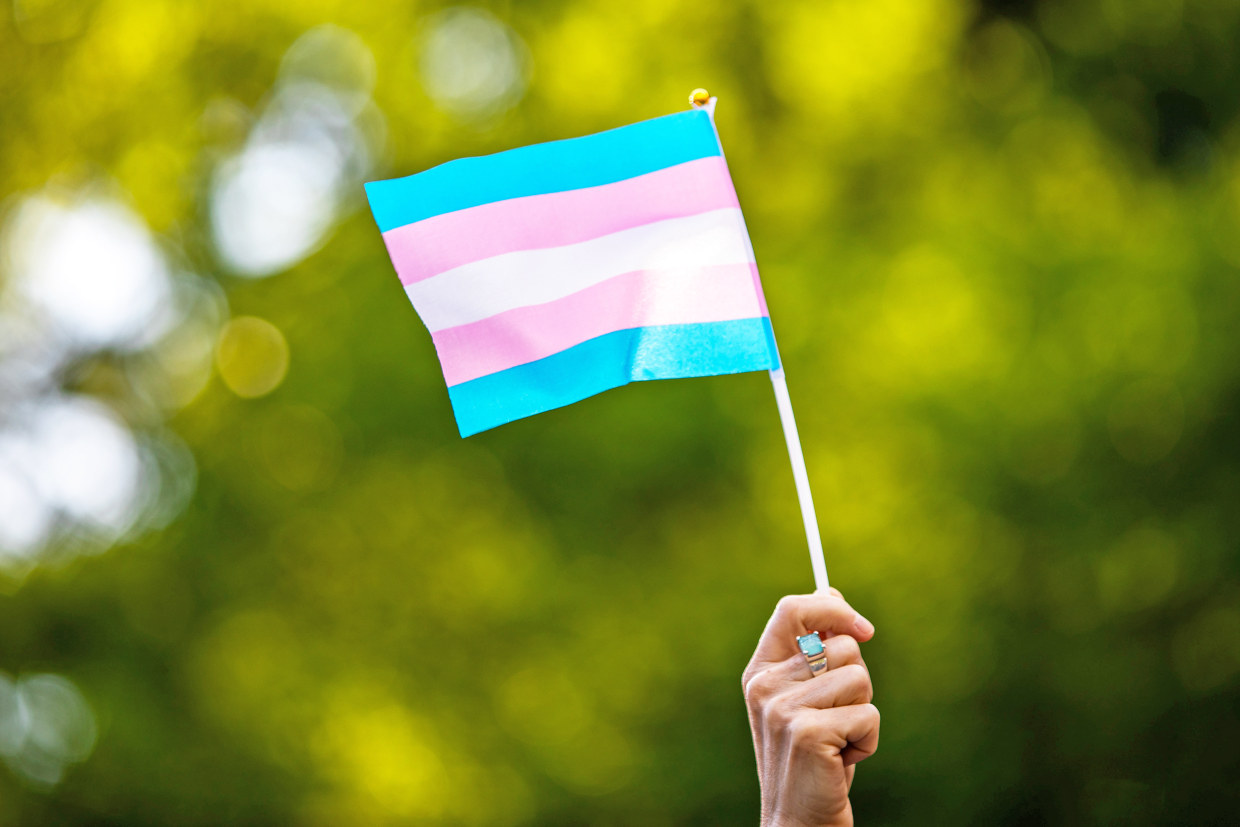
A transgender woman from America has initiated a lawsuit following the rejection of her asylum request by Dutch officials. This situation is gaining public interest not only for its personal impact but also for its wider significance in conversations about human rights, gender identity, and the handling of LGBTQ+ people seeking refuge in Europe.
The woman, whose identity remains undisclosed for privacy reasons, sought refuge in the Netherlands, arguing that returning to the United States would expose her to discrimination and possible harm because of her gender identity. She contends that despite legal protections in the U.S., transgender individuals continue to face systemic barriers and targeted violence, creating an unsafe environment for those within the community.
The Dutch immigration system, however, rejected her claim, reasoning that the United States is considered a safe country where LGBTQ+ rights are legally protected. Authorities maintain that asylum is generally intended for individuals fleeing countries where persecution is sanctioned or where the government cannot provide adequate protection. This stance forms the basis of the ongoing dispute, as the applicant argues that legal frameworks do not always translate into actual safety or equality.
Advocates for transgender rights argue that the case underscores a critical gap in the interpretation of what constitutes safety and protection. They note that legal recognition of rights does not automatically eliminate social hostility, discrimination, or violence, which remain significant concerns for transgender individuals worldwide. According to numerous studies and reports by human rights organizations, transgender people experience disproportionately high rates of harassment, hate crimes, and social exclusion, even in countries that are considered progressive.
The legal challenge is expected to examine these nuances in depth, particularly whether asylum claims can hinge on social realities rather than purely legal assessments. Experts suggest that the outcome could set an important precedent, potentially influencing future asylum decisions involving LGBTQ+ applicants from countries categorized as “safe.”
The case also raises questions about the broader responsibilities of European nations in offering refuge to vulnerable populations, even when those populations come from democracies with formal protections in place. Advocates emphasize that safety should be measured by lived experience rather than just constitutional guarantees.
As the legal process continues, the case underscores a lasting conflict in global asylum regulations: finding equilibrium between upholding rigorous standards for asylum qualification and adapting to changing perceptions of genuine threat and oppression. The ruling is expected to ignite additional discussion concerning the connection between human rights, gender identity, and global protection systems.
For now, the woman remains in the Netherlands awaiting the next phase of her legal battle. Her case serves as a powerful reminder that legal protections, while essential, are not always sufficient to guarantee genuine safety and equality for marginalized communities.
