
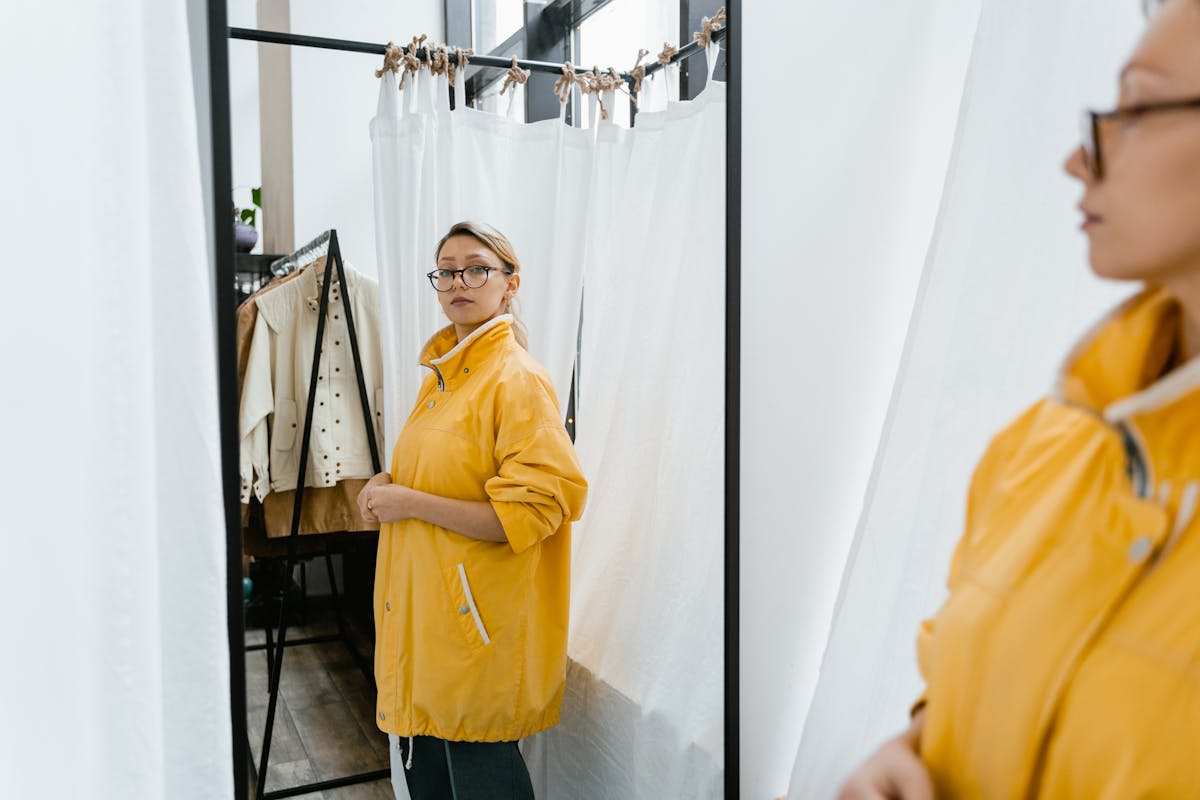
A fashion buyer is a crucial player in the dynamic world of fashion retail. In essence, a fashion buyer is responsible for selecting and purchasing apparel and accessories that will be stocked in stores. This role requires a deep understanding of fashion trends, consumer demands, and business acumen. Fashion buyers are the gatekeepers of style for retail brands, ensuring that the products align with the brand’s identity and appeal to its target demographic.
Core Duties Performed by a Fashion Buyer
Fashion buyers perform a wide range of duties that call for both imaginative insight and analytical precision. Their tasks encompass:
1. Trend Analysis: Staying ahead of fashion trends is paramount for a fashion buyer. This involves attending fashion shows, analyzing fashion forecasts, and following seasonal trends to anticipate what consumers will desire.
2. Supplier Negotiations: Building strong supplier relationships forms a key part of a buyer’s responsibilities, as fashion buyers are expected to discuss pricing, shipment schedules, and contract terms to enhance profitability while guaranteeing that quality requirements are upheld.
3. Inventory Management: Deciding on quantities and timing of purchases requires careful analysis. Buyers must balance between having enough stock to meet demand without over-purchasing, which ties up capital and increases storage costs.
4. Collaboration with Designers: Often, buyers work closely with a design team to create exclusive lines or modify existing products to better fit brand goals and consumer preferences.
5. Financial Planning: A buyer must keep a keen eye on budgets and sales forecasts. Understanding mark-up requirements and setting achievable sales targets is crucial for maintaining profitability.
Key Competencies Required for a Fashion Buyer
Excelling as a fashion buyer demands a set of essential capabilities:
Analytical Skills: Reviewing sales metrics and customer responses enables buyers to reach well‑informed purchasing choices.
Negotiation Skills: Securing the best deals from suppliers requires strong negotiation skills. This ensures cost efficiency and optimal inventory levels.
Trend Awareness: Having an intuitive sense of incoming fashion trends helps in selecting products that will excite and engage customers.
Communication Skills: Being able to convey ideas and foster collaboration with both internal teams and external partners is essential.
The Impact of Technology on Fashion Buying
In recent years, technology has transformed how fashion buyers work, as artificial intelligence now delivers data‑based insights that go far beyond conventional trend‑forecasting techniques; e‑commerce analytics offers granular details about customer behavior that support more accurate inventory planning, while augmented reality enables buyers to preview how designs might look and fit before production begins, helping them make more informed product selections.
Case Study: The Zara Approach
Zara, a prominent global fashion retailer, showcases a dynamic and forward-thinking method of fashion buying by overseeing much of its supply chain and leveraging real-time data insights to react swiftly to emerging trends. The company relies on local buyers who stay closely attuned to customer preferences, enabling Zara to design and deliver fresh products in as little as two weeks. This rapid turnaround helps Zara reduce excess inventory and maintain strong sell-through performance.
A fashion buyer’s role is multifaceted, balancing creativity with business insight to drive retail success. As the fashion landscape continues to evolve with technological advancements and shifting consumer behaviors, the role of the fashion buyer becomes even more integral in shaping a brand’s identity and performance in the marketplace. Through strategic decision-making and a deep understanding of trends and consumer needs, fashion buyers are at the forefront of the retail industry, crafting the collections that define contemporary fashion.
