
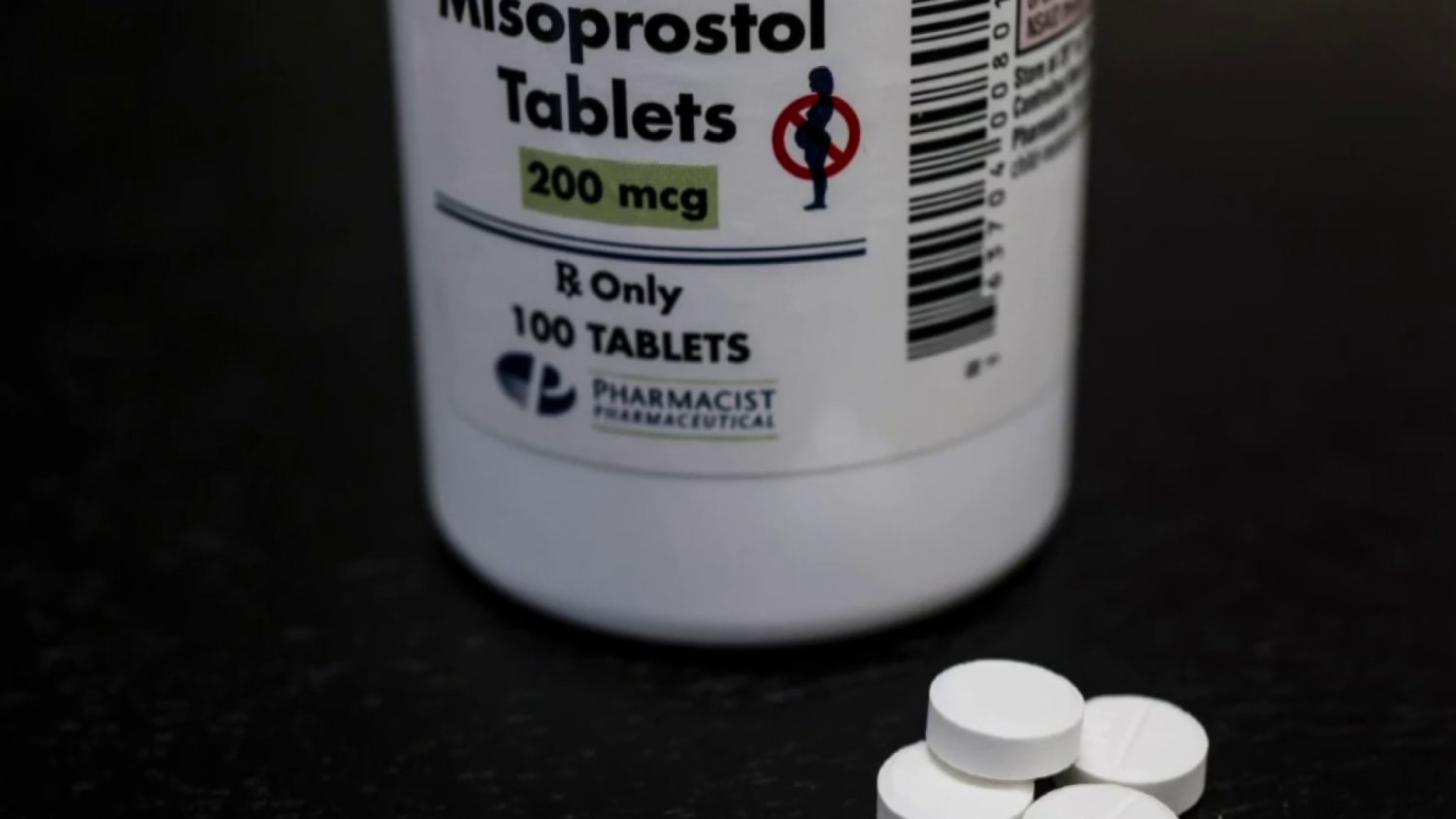
A legal dispute is developing in Texas, where a woman has initiated legal proceedings against a Marine, accusing him of secretly giving her abortion-inducing drugs by tampering with her drink. The lawsuit states that the woman, who was expecting at the time, received the medication without being informed or giving her consent. This situation highlights a profoundly troubling and unusual form of alleged reproductive coercion, where someone is claimed to have taken unilateral actions, with potentially severe consequences for the victim. Should the allegations be validated, they would constitute a significant breach of body autonomy and a grave criminal offense, which surpasses the current civil litigation being addressed.
The legal claim describes a sequence of incidents that convinced the woman that her beverage had been interfered with. It explains that she started experiencing intense symptoms soon after drinking a beverage supposedly made by the Marine. The document further notes that the woman’s following medical check-up and the eventual miscarriage led her to suspect the existence of an unidentified substance. The lawsuit requests compensation for psychological trauma, bodily injury, and the infringement of her rights. This case transcends a mere personal issue; it represents a legal and moral test emphasizing the challenges individuals may encounter. The justice system will now have to address the intricate mix of personal relationships, reproductive freedoms, and unlawful conduct, all under the scope of a civil action.
The accused Marine, whose identity remains undisclosed in some articles, has yet to make a public statement regarding the charges. At this stage, the legal proceedings are just beginning, and a reply to the complaint is anticipated. It is essential to remember that these are mere accusations at this point, and the accused remains innocent in the eyes of the law until proven guilty. The civil litigation will necessitate a comprehensive inquiry and the submission of evidence by both parties to establish the facts surrounding the issue. This case is particularly delicate, impacting not only those directly implicated but also the larger community, as it involves deeply personal and frequently contentious matters. The resolution of this situation might significantly influence the management of analogous cases in the future.
This case is particularly notable given its setting in Texas, a state with some of the country’s most restrictive abortion laws. The legal and social context of the state adds another layer of complexity to the situation. While the lawsuit is a civil matter seeking financial compensation, the alleged act itself could potentially fall under criminal statutes, depending on how the laws are interpreted and applied. The case also raises questions about the accessibility of such medications and the potential for their misuse. This is a conversation that is already fraught with political and ethical debates, and this lawsuit will undoubtedly add fuel to the fire. It forces a discussion not only about a woman’s right to choose but also about her right to be free from such a violation of her bodily autonomy.
The potential for this type of reproductive coercion has been a growing concern among women’s health advocates. While cases of this nature are rare, they highlight a disturbing trend where individuals attempt to control another person’s reproductive decisions through deceit and force. The lawsuit serves as a stark reminder of the importance of consent in all aspects of health and personal life. The allegations, if substantiated, would represent a significant breach of trust and a profound act of betrayal. It is a story that resonates with many, as it speaks to the fears of being vulnerable to the actions of others. The legal system, in this instance, is being asked to provide justice for a situation that is both deeply personal and a matter of public concern.
The advancement of the lawsuit is anticipated to be scrutinized closely by legal professionals, advocates for women’s rights, and the general public. The information revealed during the discovery phase and any ensuing trial will be crucial for comprehending the complete range of the alleged incidents. The presentation of evidence, which may include medical documents and personal messages, will significantly influence the result. This case is not merely about one individual against another; it mirrors wider societal challenges involving power relationships, reproductive rights, and the legal safeguards accessible to people. The verdict will represent a pivotal event, possibly establishing a guideline for managing similar cases in the future. The nature of the allegations necessitates a thorough and unbiased analysis of the facts.
The potential legal ramifications for the accused are significant, extending beyond the civil lawsuit. If a criminal investigation were to be initiated and the allegations proven, the Marine could face severe charges, depending on the specific laws of Texas. The act of administering a substance to a person without their knowledge, especially one with such a profound effect, is a serious crime. Furthermore, the alleged act’s connection to the military could lead to a separate investigation and disciplinary action by the Marine Corps. This dual layer of legal and institutional accountability adds to the gravity of the situation. The military, like any institution, has a responsibility to address allegations of misconduct by its members, especially when they involve such a serious alleged act.
The legal action initiated by a woman in Texas against a Marine, claiming he secretly added abortion-inducing drugs to her beverage, represents a highly serious and intricate matter. It involves delicate topics like reproductive freedoms, individual rights, and alleged criminal acts. This case remains in its initial phases, and the claims have not yet been substantiated. Nevertheless, it highlights a troubling form of purported coercion that deserves significant attention. The resolution of this lawsuit, as well as any possible criminal trials, will have major consequences for everyone concerned and might shape future legal discourse on these issues. The public’s focus on this situation underscores the gravity of the allegations and the societal relevance of the legal concepts involved.
