
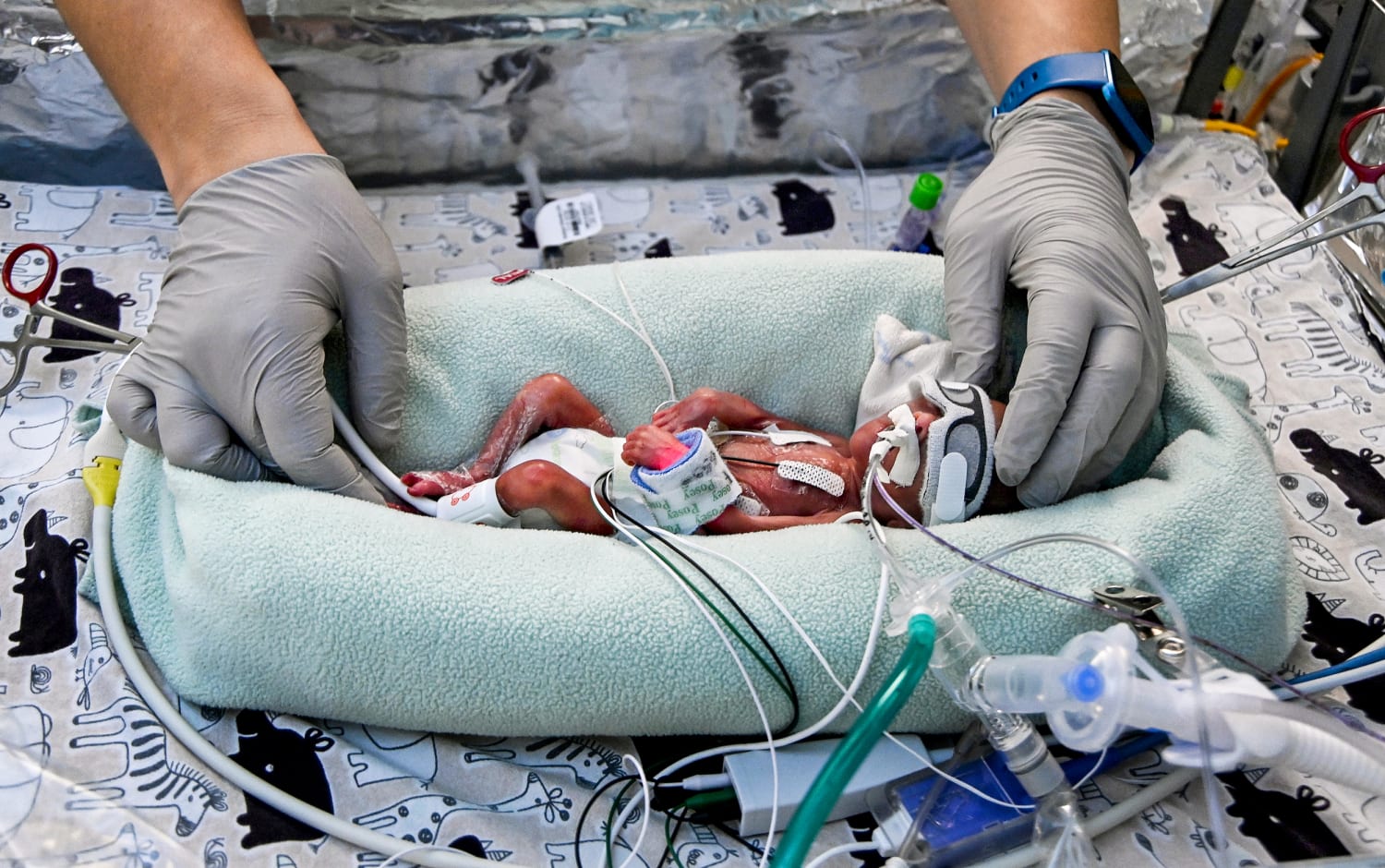
In Italy, a heartbreaking event involving two newborns has captured both national and international focus after officials started examining if hospital apparatus was compromised with dish soap. The fatalities, which happened in a neonatal intensive care environment, have raised pressing concerns regarding hospital security protocols, sanitation methods, and the measures aimed at safeguarding the most defenseless patients.
The infants, born prematurely and requiring specialized medical care, were reported to have developed severe complications following routine treatment. Preliminary findings suggest that the complications may have been linked to improper cleaning of hospital equipment, where dishwashing liquid could have been mistakenly used instead of the approved medical-grade sterilizing agents. While the investigation is ongoing, this possibility has generated widespread concern among healthcare professionals, patient advocates, and the general public.
Premature infants are particularly at risk when it comes to hospital-acquired infections or contamination. Their immune systems are not fully developed, making them highly dependent on strict hygiene protocols and sterile medical environments. Any lapse in these standards can have devastating consequences, as was tragically highlighted in this case. The incident has underscored the importance of precision and vigilance in every step of neonatal care, where even small errors can carry life-threatening risks.
Authorities in Italy have initiated several investigations to uncover the precise manner in which the suspected contamination happened. Initial findings suggest that cleaning materials might not have been correctly separated or stored, leading to worries regarding staff training and the measures implemented to prevent these errors. Investigators are examining whether the current safety protocols were adhered to consistently or if any procedural lapses played a role in the incident. Hospitals generally maintain stringent sterilization protocols, but this situation has emphasized the necessity for strengthening supervision and responsibility.
Healthcare officials have expressed condolences to the families affected, while promising transparency throughout the investigation. At the same time, medical associations are calling for immediate reviews of sterilization procedures across the country to ensure similar accidents are not repeated. Some have suggested implementing additional labeling, color-coding, and training protocols to reduce the possibility of confusion between cleaning products and medical sterilization agents.
Beyond the immediate hospital where the incident took place, the tragedy has ignited a broader discussion about patient safety in neonatal care units worldwide. The case serves as a sobering reminder that even in advanced healthcare systems, human error and procedural shortcomings can still lead to preventable outcomes. It also emphasizes the crucial role of hospital staff education, consistent monitoring, and robust safety protocols in protecting the lives of premature infants.
Families of premature babies often place immense trust in neonatal intensive care units, believing their children are in the safest possible hands. Incidents like this not only shake that trust but also raise important questions about how hospitals communicate with families during emergencies. Transparent communication, compassionate support, and clear explanations of what went wrong are essential components of rebuilding confidence in the healthcare system after such devastating losses.
Globally, health specialists have highlighted that the disaster in Italy ought to be a warning for healthcare facilities worldwide. Medical centers around the world may encounter comparable dangers if disinfection and hygiene protocols are not strictly enforced. The insights gained from this study might result in enhanced international safety measures, aiding in the prevention of similar occurrences going forward.
While the inquiry proceeds, the people of Italy are attentively seeking explanations. For the sorrowful families, both justice and responsibility are paramount, along with the desire to prevent other parents from experiencing a similar devastating event. For medical professionals, this situation is a critical reminder of their duty—not only to provide treatment but also to uphold a steadfast dedication to safety in every aspect.
The passing of the two newborns represents a deep tragedy, emphasizing the delicate nature of neonatal care and the vital necessity of accuracy in medical procedures. Regardless of whether this incident turns out to be due to unintentional soap contamination or a different type of procedural fault, it accentuates the need to maintain top-tier standards of healthcare safety. Ultimately, this situation is not solely about identifying what failed in a particular medical facility, but about strengthening a culture of awareness that safeguards the most fragile patients globally.
