
An exceptional group of seniors is redefining the usual beliefs about cognitive decrease, keeping their mental acuity on par with individuals significantly younger. These people, referred to as SuperAgers, show that experiencing loss of memory and diminished cognitive abilities are not unavoidable results of growing old.
Northwestern University’s SuperAging Research Program has conducted research on these outstanding elderly individuals for more than twenty years, uncovering intriguing insights into brain health during older age. The program characterizes SuperAgers as people over 80 whose memory test performance matches that of healthy individuals in their 50s or 60s. Their findings indicate that keeping cognitive capacities youthful involves both biological benefits and lifestyle preferences.
Sel Yackley, an individual aged 85 involved in the study, perfectly represents the SuperAger characteristics. Her busy routine involves creating jewelry, performing in a choir, knitting to support charitable causes, joining a book club, frequenting the gym, and taking part in community activities – all while keeping a healthy sleep routine. “Look after your well-being, nourish yourself properly, and stay social,” Yackley suggests, encapsulating her method for aging gracefully.
The Northwestern research group has discovered a number of shared characteristics among SuperAgers through comprehensive psychological evaluations, brain scans, and, in certain cases, analyses of brain tissue after death. Their insights question beliefs about Alzheimer’s disease and the process of cognitive aging.
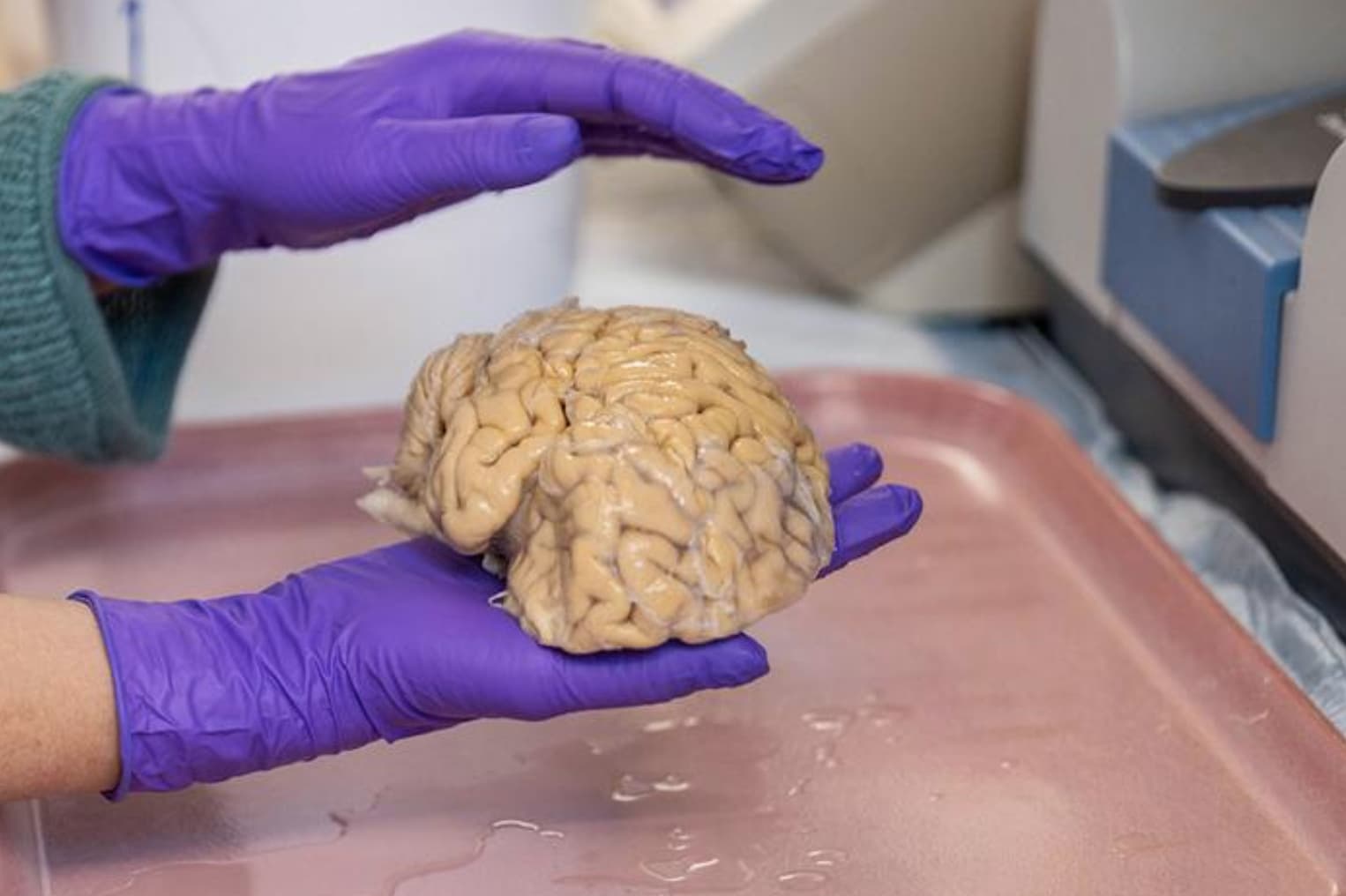
Neurological examinations of SuperAger brains after death revealed significantly fewer tau protein tangles – a hallmark of Alzheimer’s – in memory centers compared to typical older adults. Surprisingly, amyloid plaque accumulation, another Alzheimer’s indicator, appeared similar between groups. This discovery raises important questions about current Alzheimer’s treatments that primarily target amyloid plaques.
SuperAgers also show distinct brain structural differences. Their entorhinal cortex neurons, crucial for memory formation, remain larger and more robust than those of their peers. Additionally, they possess higher concentrations of von Economo neurons, specialized cells associated with social cognition and emotional intelligence.
Aunque la genética indudablemente influye, ya que los SuperAgers generalmente no poseen genes de alto riesgo de Alzheimer como el APOE4, los investigadores destacan que el ADN no es un destino inmutable. Los participantes del estudio exhiben estilos de vida variados, con algunos siguiendo estrictos planes de salud mientras que otros disfrutan de diferentes indulgencias. Lo que parece unirlos es un enfoque comprometido y significativo hacia la vida, en lugar de un comportamiento único.
Social connection emerges as a recurring theme among SuperAgers, though the nature of these bonds varies widely. Some maintain strong family ties, others connect through artistic communities, and many find meaning in civic participation or spiritual practices. “You don’t see many detached SuperAgers,” notes Dr. Tamar Gefen, a Northwestern psychiatry professor involved in the research.
The scarcity of SuperAgers renders them especially important for scientific research. In the initial phase of study enrollment, merely 10% of those who applied satisfied the rigorous cognitive standards. Presently, the active research group consists of 101 participants aged 81 to 111, whose continuous involvement aids researchers in discovering factors that protect against cognitive deterioration due to aging.
These exceptional elders are contributing to science not just during their lives but beyond. Many, like Yackley, have pledged to donate their brains to the Northwestern Brain Bank. “I don’t want to be underground,” Yackley says, explaining her decision to donate her body to medical research and education.
The SuperAger phenomenon provides encouragement and direction for individuals aspiring to preserve cognitive sharpness throughout their lives. Although genetic benefits cannot be duplicated, the noted trends of social involvement, intellectual engagement, and physical exercise offer practical methods to enhance brain health at any stage of life.
As investigations advance, researchers aim to discover particular biological defense mechanisms that may result in new strategies for the prevention or treatment of dementia. The SuperAger study highlights that growing older doesn’t automatically imply a deterioration in cognitive abilities and that keeping a keen, active mind as we age is an attainable objective for numerous individuals.
At this moment, Yackley stays busy, involved in a personal scrapbook venture amid her various pursuits. Her story and that of her fellow SuperAgers serve as tangible evidence that the later years can indeed be full of cognitive energy and meaningful engagement.
