
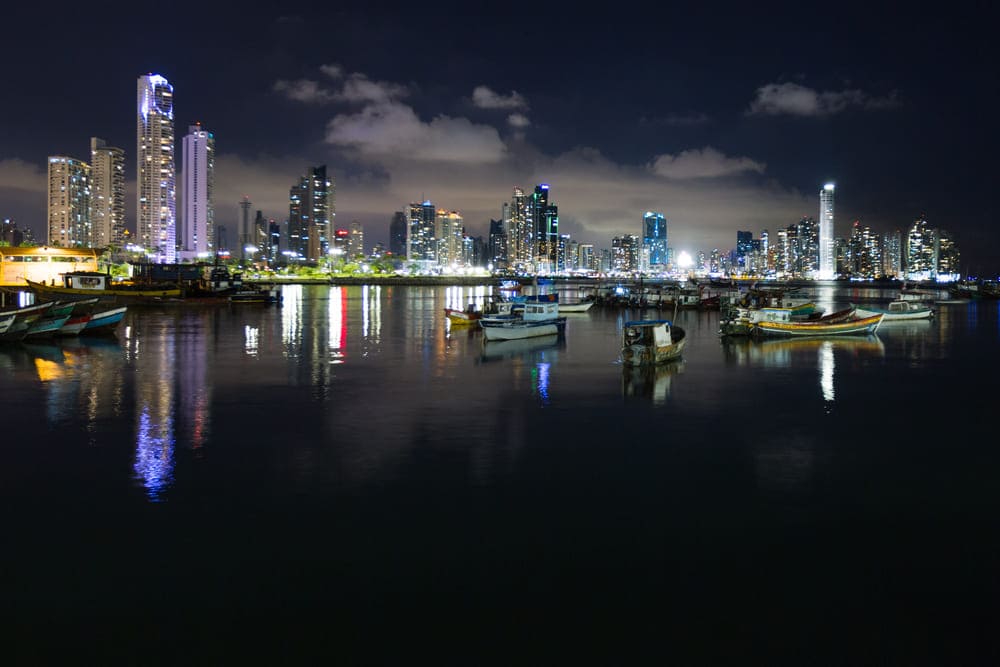
Real estate investment remains widely regarded as a highly reliable vehicle for safeguarding and expanding capital over the long term, and within Latin America, Panama has steadily emerged as one of the region’s most appealing markets due to its economic stability, investor-friendly legal environment, and extensive regional and global connectivity.
Looking ahead to 2026, the country reinforces its position as a key destination for individuals pursuing real estate prospects marked by strong projected returns and rising value. Ongoing urban expansion, the steady influx of professionals, executives, and expatriates, along with shifting lifestyle and work patterns, continue to reshape housing demand in Panama City, and developments like Armonía Cinta Costera stand as a clear illustration of this trend. Make sure to explore the following content if you’re interested in discovering strategies to enhance your real estate investments in Panama in 2026.
What factors have helped Panama emerge as a compelling hub for real estate investment?
Panama has become attractive to anyone looking to invest in real estate in recent years. By 2026, this trend will continue to grow. Below are some of the reasons for this interest:
Well-established areas with steady demand
Location continues to be the key element shaping the outcome of a real estate investment. In Panama, centrally positioned and well-linked districts still attract the strongest interest for both renting and buying. Zones close to the Cinta Costera, Avenida Balboa, and long-established neighborhoods like Bella Vista sustain elevated occupancy levels thanks to their convenient access to financial hubs, commercial zones, and leisure areas.
Investing in these types of areas reduces the risk of vacancy and guarantees constant demand, which translates into more stable income and sustained property appreciation over time.
Projects aligned with the new resident profile
The profile of buyers and tenants has shifted notably. By 2026, users prioritize projects that incorporate amenities designed to enhance well-being, boost productivity, and support social interaction. Coworking areas, fitness centers, pools, terraces, communal zones, and entertainment spaces now stand as essential features within contemporary residential developments.
Projects that include these amenities not only enhance the overall living experience for residents but also strengthen their market competitiveness, enabling more favorable leasing terms and quicker unit occupancy.
Pre-sale as an approach to maximizing returns
Pre-sale purchases continue to be one of the most effective strategies for maximizing profitability. Acquiring a property in the early stages of development allows access to lower prices and flexible payment plans. In many cases, the difference between the pre-sale value and the market price at the time of delivery represents a significant gain in terms of capital appreciation.
This method is particularly attractive to investors with a medium-term vision who seek to capitalize on the natural growth of the project and the area where it is being developed.
Types of rentals with the greatest potential in the city
Defining the rental model is another key aspect of the investment strategy. In Panama City, rentals targeting executives, foreign professionals, consultants, and digital nomads show stable demand. Corporate rentals and medium-term rentals are becoming attractive options in central and well-connected areas.
Properties featuring efficient layouts, ample natural light, and contemporary amenities can be tailored to suit various tenant profiles, broadening occupancy opportunities and boosting yearly revenue.
Capital gains and urban development as key indicators
Beyond monthly yields, capital gains serve as a core metric for assessing any real estate investment’s performance, and in Panama, zones benefiting from ongoing infrastructure upgrades, commercial expansion, and enhanced urban mobility often show stronger appreciation prospects. By examining the city’s development roadmap along with current public and private initiatives, it becomes possible to forecast which areas are likely to offer the greatest potential in the coming years.
Robust developer support and a forward-looking vision
Responsible developers play a crucial role in Panama, as choosing projects supported by builders with a solid track record adds a valuable layer of confidence. A developer’s background significantly shapes construction standards, adherence to timelines, and long-term property administration. When executed effectively, a project maintains its worth more consistently and appeals more strongly to current residents as well as prospective buyers or tenants.
Armonía Cinta Costera: an attractive and strategic destination for real estate investment in Panama in 2026
The Panamanian real estate landscape in 2026 showcases a seasoned and energetic market that both mirrors and adapts to global movements in urban design, mobility solutions, and modern living, and its blend of economic steadiness, ongoing buyer interest, and expanding city development positions the country as a prime regional hub for property investment, particularly in distinguished projects like Armonía Cinta Costera.
Located in a strategic area of Panama City, just minutes from the Cinta Costera and the main corporate and commercial hubs, Armonía offers functional apartments, diverse amenities, and a safe environment. Thanks to projects like this, Panama continues to establish itself as a strategic destination for property investment.
