
The Netherlands functions as a distribution nerve center for Europe because of its geography, dense multimodal infrastructure, advanced digital systems, and a logistics ecosystem that combines global shipping lines, air freight operators, and specialized inland services. Businesses use Dutch hubs to reach large Western and Central European consumer markets quickly, scale operations, and manage complex cross-border flows with lower friction than many alternatives.
Core assets that enable fast European access
- Ports: The Netherlands’ largest port functions as Europe’s leading maritime entry point for both containerized and bulk shipments, integrating long-haul ocean services with short-sea feeder routes and inland distribution networks.
- Air cargo: A major international airport close to Amsterdam offers broad freighter and bellyhold capacity across Europe and worldwide, ensuring fast movement for time‑critical products and e-commerce flows.
- Rail and road network: Extensive motorways and purpose-built freight rail corridors link Dutch logistics nodes with Germany, France, Belgium, Poland and other destinations, supporting 24–48 hour trucking access to key EU markets.
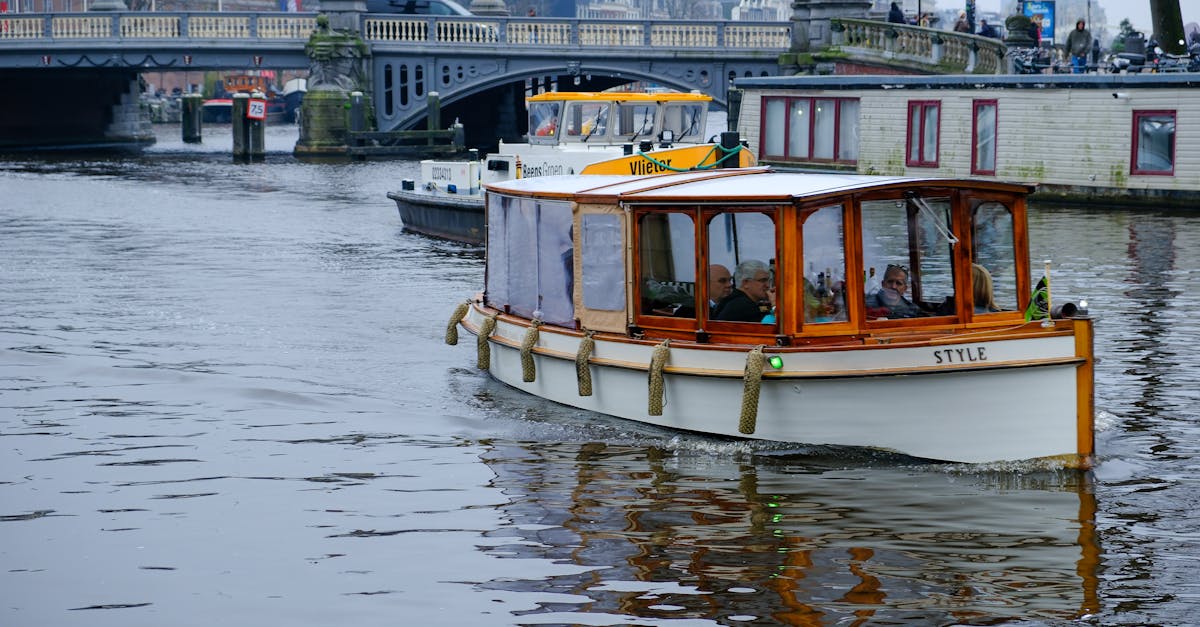
- Inland waterways: Barges and river terminals along the Rhine and additional waterways transport substantial volumes of bulk, container and palletized freight while achieving lower CO2 emissions per ton‑kilometer than road transport.
- Logistics hotspots: Regional hubs such as Venlo, Tilburg, Moerdijk and terminals near the port combine warehousing, value-added solutions and cross-docking directly adjacent to major transport corridors.
- Digital platforms: Port community systems and national single window tools simplify manifest submissions, customs documentation and end-to-end cargo tracking.
How companies enhance distribution efficiency through hubs in the Netherlands
The Netherlands enables diverse distribution approaches that shorten delivery cycles, cut inventory expenses, lower emissions, and boost overall service performance.
- Regional distribution centers (RDCs): Companies often concentrate inventory in one or several Dutch RDCs to supply multiple EU markets from a centralized hub, which cuts safety stock requirements and streamlines the management of returns.
- Cross-docking and flow-through: Frequent feeder and trucking connections make it possible for shipments to be transferred within hours, significantly reducing storage needs and accelerating last-mile delivery.
- Multimodal routing: Using a mix of seaports, rail networks, and barge services allows long-distance segments to be completed at lower cost and with fewer emissions, while trucks maintain rapid delivery for the final stretch.
- Bonded and value-added logistics: Bonded storage and customs transit procedures enable companies to postpone duty payments, carry out light assembly or kitting, and re-export goods without requiring full customs clearance upon entry.
- Omnichannel fulfillment: E-commerce operators rely on automated facilities and micro-fulfillment sites within Dutch logistics clusters to uphold same-day and next-day delivery commitments across borders.
- Customs and compliance design: Leveraging Authorized Economic Operator (AEO) certification together with national electronic customs platforms speeds up clearance procedures and limits the frequency of inspections.
Digital integration and regulatory levers
Digitalization is central to optimizing distribution from the Netherlands.
- Port community systems: Shared digital platforms enable shipping lines, terminals, shippers and customs to exchange manifests, arrival notices and release documents in real time, cutting dwell times.
- Real-time visibility: IoT tracking, TMS integrations and centralized yard management allow dynamic rerouting, better capacity utilization and lower buffer stocks.
- Customs automation: Electronic declarations, e-invoicing and harmonized EU transit procedures reduce paperwork delays and support bonded solutions.
Illustrative cases and practical examples
- E-commerce scale-up: An online retailer centralizes European stock in a Venlo RDC. Cross-docking and daily truck departures to Germany, France and the UK reduce inventory by 20–30% while supporting next-day delivery in major cities.
- Automotive supplier: A tier-1 parts supplier uses Rotterdam’s deep-sea connectivity plus a rail shuttle to Germany to balance just-in-time supply with resilience; rail reduces CO2 per shipment and avoids road congestion surcharges.
- Consumer goods firm: The company leverages bonded warehousing and value-added packaging near the port to perform repackaging and re-labeling for different EU markets, postponing final configuration until demand clarity.
- Rail-connected China-Europe flows: Businesses routing China-Europe block trains use Dutch rail corridors and inland terminals to reduce transit time compared with ocean freight while avoiding the higher cost of air freight for some SKUs.
Metrics companies track when optimizing distribution
- Lead time to market: door-to-door transit expressed in hours or days across target regions.
- Inventory turns and days of inventory: highlighting the consolidation advantages offered by centralized hubs.
- Cost per order: covering transport, handling, and cross-dock charges.
- Dwell time: port and terminal durations in hours or days, often shortened through digital pre-clearance.
- Sustainability KPIs: CO2 per ton-km, modal distribution, and energy consumption within warehouse operations.
Expenses, limitations, and mitigation approaches
The Dutch proposition is powerful but not without trade-offs.
- High land and labor costs: Mitigate with vertical warehouses, automation and strategic outsourcing to third-party logistics providers.
- Congestion and peak-season capacity: Use night-time distribution, flexible carrier contracts, and multimodal routing to smooth peaks.
- Regulatory and environmental pressure: Invest in zero-emission last-mile fleets, modal shifts to rail and barge, and meet port emissions requirements proactively.
- Dependency risk: Diversify entry points and maintain buffer capacity across hubs in the region to avoid single-node vulnerability.
Trends shaping the next phase of distribution optimization
- Green corridors: Expanding the use of rail services and inland waterways, alongside electrification efforts, lowers the carbon footprint of long‑distance distribution throughout Europe.
- Automation and robotics: Automated warehouse systems and terminal robotics boost handling capacity while mitigating workforce gaps.
- Data-driven collaboration: Joint demand planning and shared inventory networks among supply chain partners minimize duplication and elevate service levels.
- Resilience and nearshoring: Integrated models that pair European manufacturing with Dutch logistics hubs help optimize both operational stability and overall cost efficiency.
The Netherlands combines strategic geography, extensive multimodal networks, and advanced digital workflows, creating an exceptionally efficient entry point for distribution across Europe. Companies enhance speed, reduce expenses, and improve sustainability by consolidating stock, leveraging interconnected transport routes, and aligning customs and tracking platforms. By offsetting higher operating expenses through automation, modal optimization, and diversified hub planning, businesses transform Dutch logistical strengths into steady service performance and robust competitiveness throughout European markets.
