
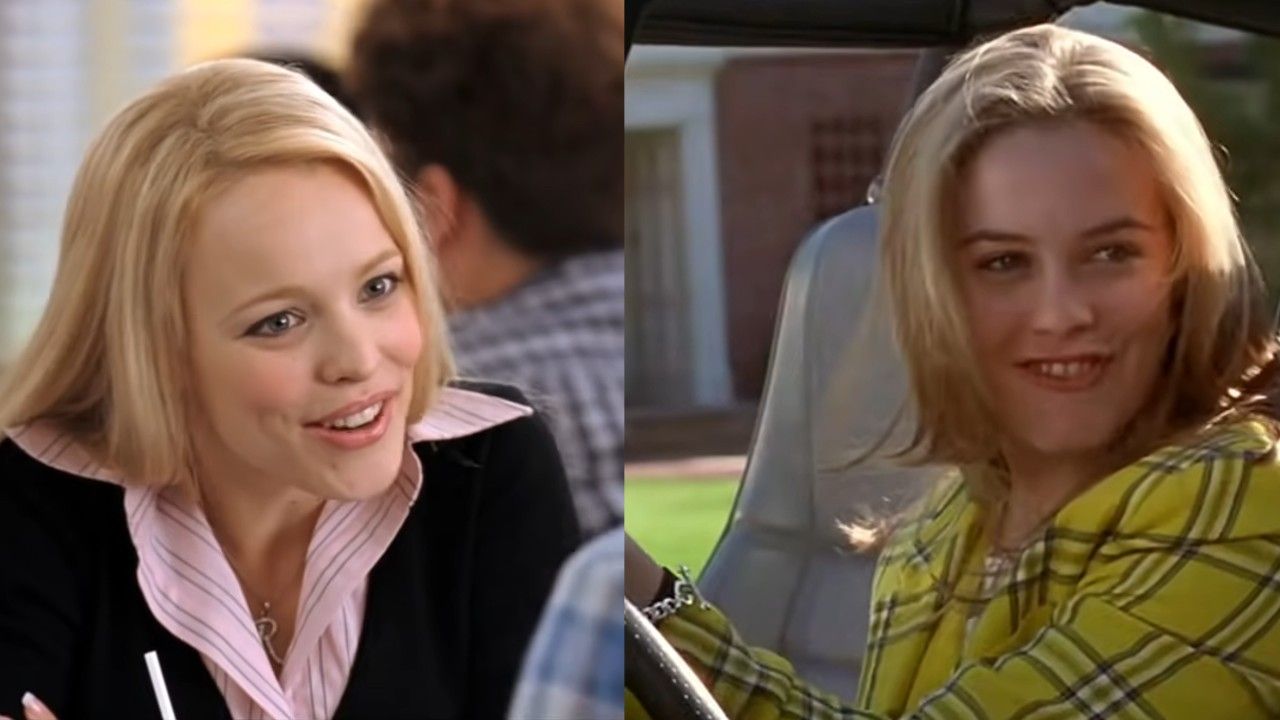
Lindsay Lohan has once again captured public attention—not through a new film or scandal—but with a striking sartorial choice that evokes the iconic style of Cher Horowitz, the beloved character from the 1995 teen classic Clueless. By embracing the instantly recognizable fashion of the fictional Beverly Hills high schooler, Lohan taps into a powerful wave of ’90s nostalgia currently reshaping pop culture and celebrity aesthetics.
Cher Horowitz, portrayed by Alicia Silverstone, became a symbol of carefree sophistication, with her yellow plaid suit, knee-high socks, and rotating digital closet etched into the memory of a generation. Nearly three decades later, her style remains a cultural reference point, and Lohan’s homage does more than just nod to a trend—it revives a particular fashion attitude associated with empowerment, confidence, and playful glamour.
Lohan’s attire, which strongly resembles Cher’s legendary closet, quickly ignited discussions on social media platforms. Both fashion critics and followers applauded the ensemble for its smart design and perfect timing. With nostalgic styles taking over the runways and feeds—from butterfly hair accessories to low-waisted denim—Lohan’s appearance seems like an intentional and considerate decision that connects different eras of fashion.
This style transition signifies further progress in Lohan’s public persona. Previously characterized by her tabloid reputation from the early 2000s, she has, in more recent times, adopted a more calculated strategy towards celebrity. With a Netflix movie titled Falling for Christmas and numerous collaborations with brands to her name, Lohan has systematically redefined her role within the entertainment industry. Her outfit, inspired by Cher, serves as another illustration of how she is utilizing pop culture’s recurring trends to her benefit.
The intersection of fashion, memory, and identity plays a central role in this revival. By embodying a character who once symbolized the carefree and curated life of affluent teenage girls in the ’90s, Lohan taps into collective sentimentality. For millennials, it’s a reminder of an era when style was bold, expressive, and tinged with optimism. For younger generations, it’s an introduction to an aesthetic that has influenced countless designers and digital influencers.
Celebrities frequently use style as a means to steer their personal narratives, and Lohan’s timing is significant. At a time when style becomes content and visuals are influential, adopting a cherished persona transcends mere tribute—it becomes branding. With a single appearance, she sparks discussions about her past, her current status, and potential future directions. It places her anew in a realm she once led: the cultural dialogue.
The resurgence of ’90s fashion is not accidental, either. It corresponds with broader cultural cycles where past styles are recycled, repurposed, and recontextualized. Lohan, a child star who rose to fame during that same decade, is uniquely positioned to bring authenticity to the revival. Unlike Gen Z influencers who adopt the style secondhand, Lohan lived through it as part of her formative years in the spotlight. This creates an added layer of resonance—she isn’t just playing dress-up; she’s revisiting a time that shaped her identity in the public eye.
Historians of fashion frequently observe that the wardrobe selections of well-known individuals serve as expressions of autonomy. Lohan’s recent adoption of notable pop culture symbols indicates an attempt to recover and redefine her influence in the cultural sphere. The focus has shifted from her past as a child actor or gossip column subject. Rather, she is transitioning into the role of a seasoned media persona, skilled in utilizing visual elements to narrate a story and maintain her relevance.
Cher Horowitz’s fashion may be exaggerated, but it’s grounded in confidence and control—traits that mirror Lohan’s current trajectory. For someone whose life was once dominated by narratives beyond her control, choosing to align herself with a symbol of style, structure, and agency may be more than aesthetic. It could represent a deeper alignment with reinvention.
The action mirrors a widespread trend among celebrities of utilizing nostalgia to build relationships. In a divided digital world, known images serve as a bridge to collective memories. Whether it’s Jennifer Lopez donning her iconic green Versace dress again or Sarah Jessica Parker bringing back the Sex and the City style for And Just Like That…, stars are embracing visual consistency to keep fans interested.
Lohan’s resurgence in the fashion world fits seamlessly into this trend. It showcases her insight into societal timing and the influential impact of recognizable elements. In the current fashion landscape, where viral moments frequently overshadow innovation, nostalgia acts as a dependable approach for connection. Her skill in embodying a character as iconic as Cher Horowitz indicates that she is not just following trends but is actively influencing them.
By doing this, Lohan is not merely taking from a cherished character—she’s reaffirming her status within the group of millennial icons. Her persona once symbolized the tumultuous aspects of celebrity life. Today, she seems more concentrated, introspective, and skilled at utilizing visuals that merge the past with the present, creating a sense that is both genuine and aspirational.
As fashion cycles continue to accelerate, with digital platforms feeding rapid aesthetic turnover, Lohan’s Cher-inspired look reminds us of the enduring appeal of visual storytelling. Style, after all, is more than clothing—it’s a language. And with this look, Lohan has spoken clearly, reasserting her position as a cultural figure who knows how to translate memory into meaning.
Whether this marks a sustained commitment to fashion-centric public entries or simply a temporary nod to a film character influential to an entire era, the effect is evident. Lindsay Lohan has reemerged in discussions—not due to disputes, but for her fashion sense, assuredness, and an astute understanding of lasting icons in popular culture.
