
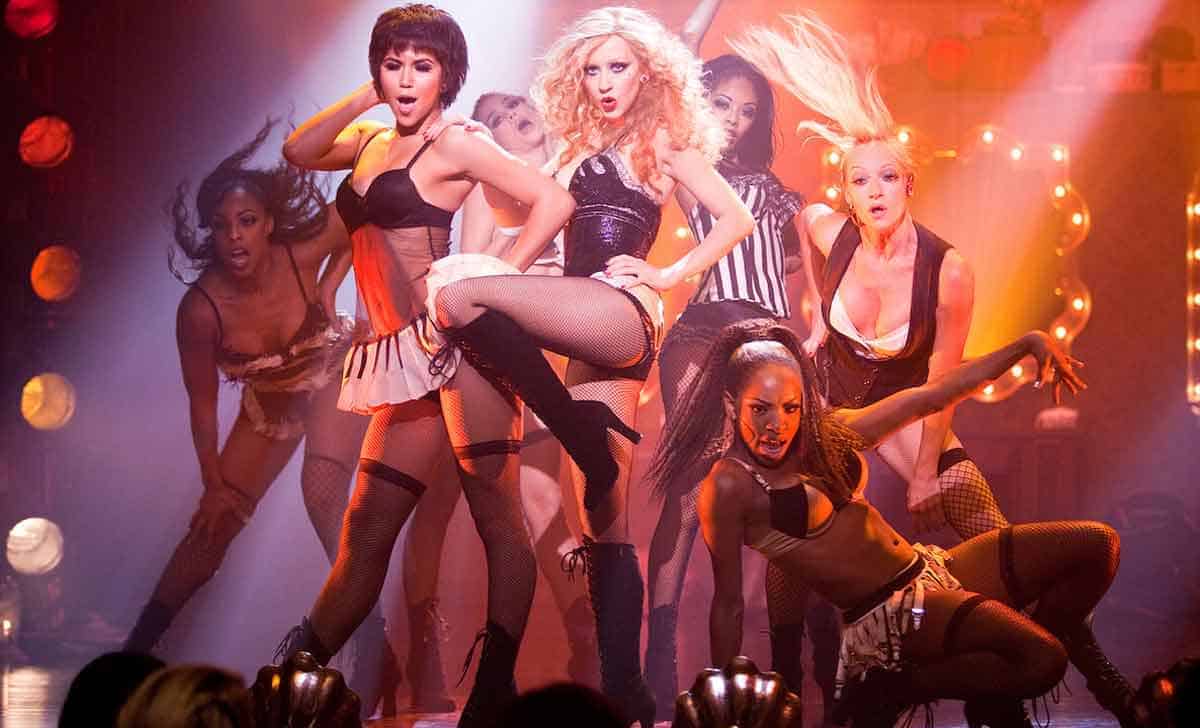
Burlesque, once a fringe form of entertainment associated with vaudeville stages and smoky clubs, is experiencing a cultural revival. Across cities in the U.S. and abroad, a new generation of performers are embracing the genre’s blend of dance, theatricality, and sensuality. For some, it represents a celebration of body confidence, artistic freedom, and female empowerment. For others, it raises deeper questions about objectification, societal expectations, and whether true liberation can coexist with the performance of sexuality.
Esta fricción no es reciente. Desde sus inicios en el siglo XIX, el burlesque ha mantenido un equilibrio entre lo subversivo y el espectáculo. Aunque frecuentemente incorporaba sátira, parodia, y comentarios sociales agudos, también contenía elementos de striptease y humor atrevido. Hoy en día, ese legado sigue generando debates, especialmente en una atmósfera cultural cada vez más consciente de las dinámicas de género y la representación.
Numerous modern burlesque dancers share that their time on stage feels incredibly empowering. These entertainers come from diverse backgrounds — including cis and trans women, non-binary people, and even men — offering distinct viewpoints through their performances. Their acts typically extend beyond allure. They incorporate movement, costumes, and choreography to narrate tales, question conventions, and convey personal stories. For these performers, the show isn’t centered on appealing to the male gaze but on seizing control over their body presentation and identity expression.
“It empowers me,” say some artists when inquired about what attracts them to perform. This feeling of authority—over their body, story, and spectators—can be deeply freeing, especially in a society where women’s looks are frequently assessed through a limited perspective. In this environment, burlesque transforms into a realm where performers establish their own definitions of beauty, self-assurance, and allure.
Proponents of contemporary burlesque suggest that its revival signifies a wider evolution in feminist ideology. Instead of dismissing displays of sexuality, numerous modern feminists promote personal autonomy and the liberty to embrace sensuality without embarrassment. According to this perspective, burlesque may serve as a form of opposition to societal norms that inhibit sexual expression or prescribe how women ought to act.
Not all people perceive it in this manner. Detractors of burlesque, both inside and outside feminist communities, debate whether shows focusing on striptease, regardless of their artistry, can genuinely disentangle themselves from structures that have traditionally commodified women’s bodies. They wonder if it is feasible to entirely reject objectification through a medium that continues to depend on public expressions of sexuality.
This critique frequently arises from worries that burlesque might unintentionally support old-fashioned gender stereotypes, despite being executed to challenge them. Several individuals contend that viewers, particularly those not acquainted with the subtleties of the art, could perceive it as an act for consumption instead of a form of appreciation. For these onlookers, the story of empowerment is made more complex by the environment in which burlesque is practiced: a culture still struggling with deep-rooted sexism and inconsistent standards.
Others, however, emphasize that intention and situation are crucial. When entertainers craft their own content, establish their limits, and choose their self-presentation, the balance of power alters. Burlesque, in this scenario, is not forced on them—it becomes a voluntary decision, a creative expression, and a form of narration. Therefore, it can reflect other performance styles such as drag, theater, or avant-garde dance, each utilizing exaggeration and bodily movements to challenge norms and stimulate reflection.
Audience reaction contributes to shaping the experience. In contrast to conventional strip clubs, burlesque settings often promote a sense of community and inclusion. Performances attract not only heterosexual men but also women, LGBTQ+ individuals, and those interested in the arts. The environment is usually festive rather than exploitative, and numerous performances actively address feminist themes, body positivity, and identity politics.
The aesthetics of burlesque have also evolved. While feather boas, corsets, and sequins remain part of the tradition, modern performances might incorporate political satire, multimedia elements, or commentary on mental health, race, or gender identity. In doing so, burlesque expands its reach as an art form that doesn’t just entertain but also challenges perceptions and encourages dialogue.
This intersection of art and activism is key to understanding why burlesque matters today. It exists at a cultural crossroads—part nostalgia, part rebellion, and part reinvention. Its practitioners are often deeply thoughtful about their work, using it not only to entertain but to communicate complex ideas about empowerment, vulnerability, and resilience.
Of course, the debate over whether burlesque empowers or degrades will likely continue. As with many art forms that engage with sexuality, its impact is deeply subjective. What feels like liberation for one person might feel limiting or problematic to another. Rather than arriving at a definitive answer, the conversation itself is part of what gives burlesque its relevance. It forces us to confront uncomfortable questions about how we view gender, power, and performance.
What is clear, however, is that burlesque is not a monolith. It is shaped by the people who perform it, the stories they choose to tell, and the audiences who witness them. Whether one sees it as empowering, problematic, or somewhere in between, it continues to offer a space for artistic exploration, self-expression, and dialogue. And in a world still negotiating the balance between visibility and objectification, that space is both vital and complex.
