

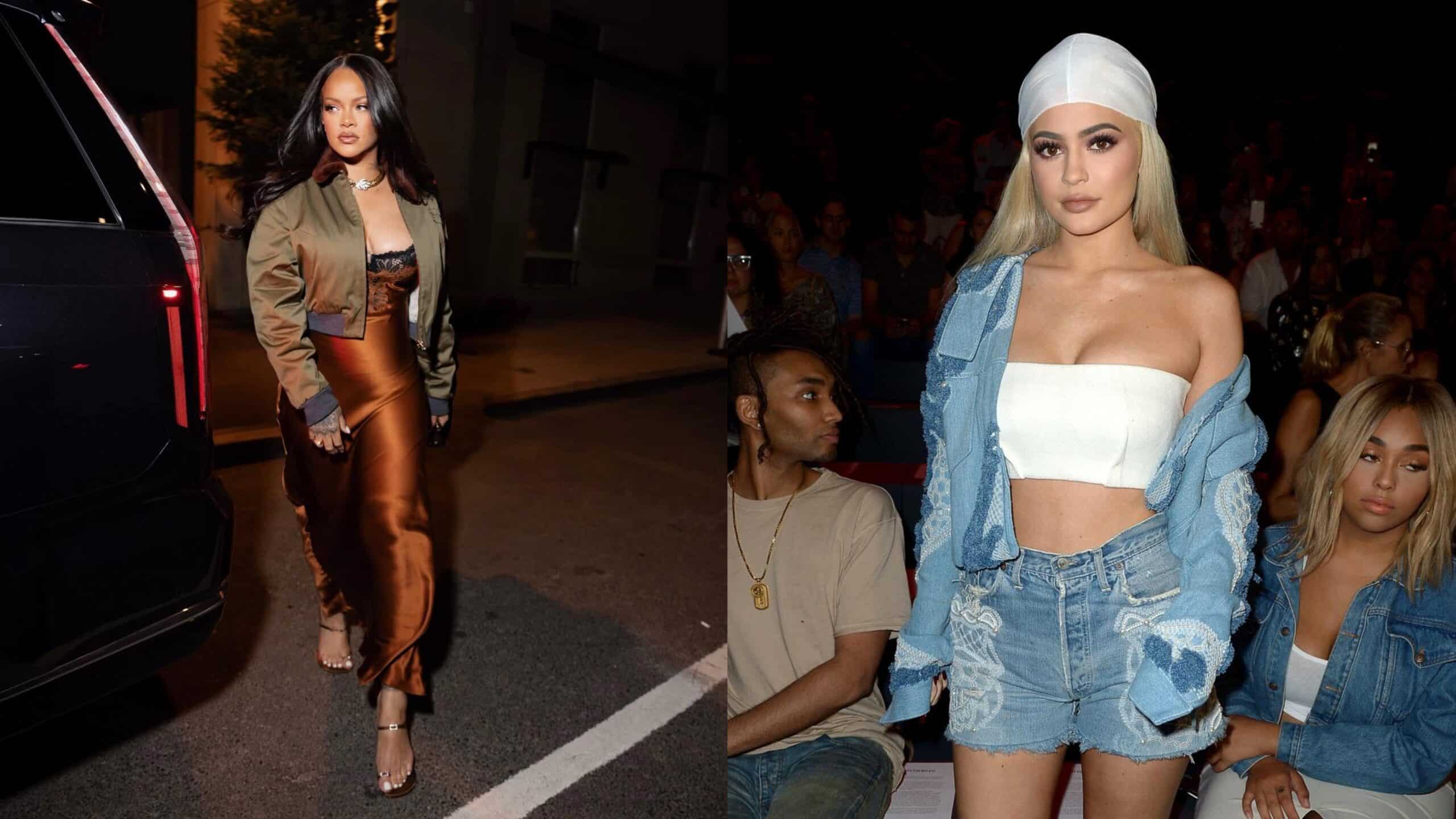
The Transformative Role of Instagram in the Fashion Industry
Instagram has evolved into a central hub within the fashion world, reshaping the interactions among brands, designers, and consumers; thanks to its visually oriented format, the platform enables fashion companies to present their creations dynamically and reach audiences worldwide, driving notable shifts in how trends arise, how consumer behavior is shaped, and how brands refine their marketing approaches.
Brand Identity Through Visual Narratives
At the core of Instagram’s influence on fashion is its powerful visual storytelling capability. Fashion is inherently a visual industry, and Instagram offers the perfect canvas for brands to display their products in high resolution. Brands leverage Instagram to craft a comprehensive visual identity through curated feeds, creating a cohesive brand story that resonates with their target audience. By posting striking images and engaging captions, brands can convey their values, style, and aesthetic, reaching customers worldwide. Notably, fashion brands like Gucci and Chanel have mastered the use of Instagram, amassing millions of followers and crafting intricate digital narratives that captivate their audience daily.
Influencer Marketing: A Fashion Phenomenon
Instagram has sparked the rise of influencer marketing, reshaping how traditional advertising works across the fashion industry, as influencers leverage loyal audiences to convey credible product recommendations between brands and consumers. Brands typically team up with influencers whose aesthetics reflect their own identity, allowing them to engage broader yet well-defined demographics. For example, fashion labels routinely collaborate with figures such as Chiara Ferragni or Aimee Song, whose massive reach fosters strong word‑of‑mouth momentum.
Real-Time Consumer Engagement
One of Instagram’s significant contributions to fashion is its ability to facilitate real-time consumer engagement. The platform’s interactive features—such as Stories, IGTV, and Live—allow brands to engage with their audience dynamically. Fashion shows can be streamed live across the globe, breaking geographical barriers and democratizing access to once elitist events. For example, when Dior or Louis Vuitton launches a new collection, they often stream their runway shows live on Instagram, providing immediate access to fashions trends as they emerge on the catwalk.
User-Generated Content and Community Building
Instagram also serves as a key driver of user-created content, fueling higher levels of consumer interaction. Users often showcase their style choices and share their brand encounters through Instagram posts and stories, frequently relying on brand-focused hashtags. This spontaneous content functions as social proof, subtly shaping the decisions of prospective customers. Moreover, many brands nurture their communities by motivating followers to join hashtag challenges or by featuring fan contributions on their official profiles, which further reinforces their overall brand community.
Data-Driven Fashion Trends
The platform’s analytics tools offer unprecedented insights into consumer preferences and behavior. Fashion brands now have access to real-time data, which they can analyze to predict trends and adjust their strategies accordingly. By assessing engagement metrics, such as likes, comments, and shares, brands can discern what resonates with their audience, allowing for more informed decisions on product development and marketing tactics.
Transforming How Retail Is Experienced
Instagram is not just a marketing tool but also a burgeoning retail platform. The integration of shopping features allows users to shop directly within the app, seamlessly bridging the gap between discovery and purchase. Brands can now tag products in posts, enabling users to view product details and purchase effortlessly. This evolution has transformed Instagram into a comprehensive sales channel, driving significant traffic and sales for fashion brands.
In acknowledging Instagram’s influence on fashion, it becomes evident that the platform operates as far more than a space for simple social interaction, functioning instead as a dynamic intersection of marketing, retail innovation, and trend creation. As Instagram continues to transform, the fashion sector can seize the chance to leverage its full capabilities, shaping richer and more engaging experiences for consumers around the globe. The relationship between fashion and Instagram is poised to intensify, with each continually shaping the direction of the other within an ever-shifting digital environment.
