
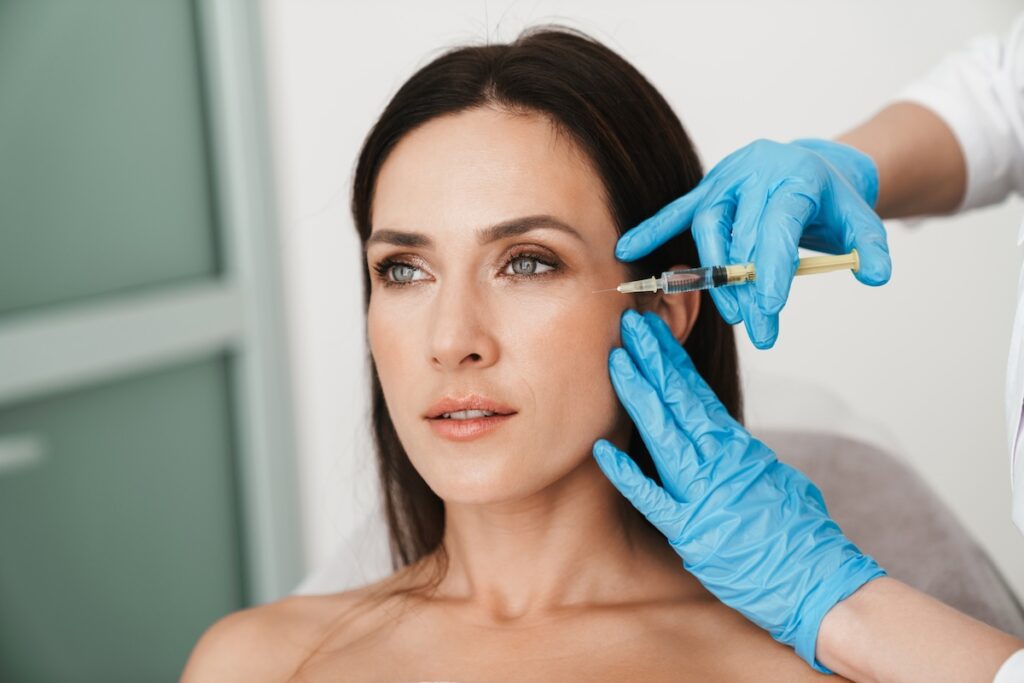
A beautician at the center of a troubling case involving the use of fake Botox has publicly apologized after several women experienced serious health complications as a result of receiving the unauthorized treatments. The incident, which has raised widespread concern about the risks associated with unregulated cosmetic procedures, has become a stark reminder of the potential dangers posed by counterfeit aesthetic products.
The females involved pursued Botox procedures, thinking they were obtaining authentic, FDA-endorsed injections typically employed to diminish wrinkles and fine lines. However, they were unknowingly administered with fake substances that resulted in concerning physical responses. Numerous victims experienced intense side effects, such as muscle weakness, trouble swallowing, facial paralysis, and other symptoms associated with botulinum toxin poisoning.
While accounts of the negative impacts started to emerge, health officials initiated probes to identify the origin of the fake injections. It became evident that the substances utilized were not genuine Botox produced by recognized pharmaceutical firms but were instead unauthorized, potentially smuggled in, and comprised unidentified or hazardous components.
In the wake of the controversy, the beautician responsible for administering the injections issued a public apology, expressing regret for the harm caused and acknowledging the distress experienced by those affected. The apology, however, has done little to calm the outrage and fear among the victims and the wider community, many of whom are calling for stricter oversight of cosmetic procedures offered outside of licensed medical settings.
Several of the affected women have shared their stories publicly, describing the physical and emotional toll the ordeal has taken on their lives. Some have required hospitalization, while others continue to undergo medical treatment to manage lingering symptoms. The psychological impact has also been profound, with many expressing anxiety, loss of confidence, and anger over the betrayal of trust.
Health experts have commented on the situation, highlighting the significance of guaranteeing that aesthetic procedures like Botox are performed strictly by skilled, certified professionals using authenticated products. Unlike regular beauty products available in stores, injectable treatments involve substances that can pose serious dangers if not properly obtained or applied. Specialists emphasize that even when done accurately, Botox can have possible adverse effects, making the use of fake products particularly dangerous.
The incident has also highlighted gaps in regulation and enforcement within the booming cosmetic industry. The popularity of non-surgical aesthetic enhancements has grown rapidly in recent years, with many beauty salons, spas, and unregulated providers offering Botox and other injectable treatments. While some practitioners operate legally and ethically, others operate without adequate training or access to genuine products, putting consumers at risk.
Authorities have subsequently alerted the community, recommending that people check the qualifications of professionals and the authenticity of the items utilized prior to any aesthetic treatment. The U.S. Food and Drug Administration (FDA) and comparable oversight organizations in various nations have emphasized that Botox should only be provided by certified medical experts and that fake versions can pose serious health risks.
The beautician involved is now facing potential legal consequences, as some of the affected women consider filing lawsuits seeking damages for their suffering. Legal experts suggest that the use of counterfeit medical products, combined with the lack of proper licensing, could result in significant liability. The case may set a precedent for how such incidents are handled in the future, potentially leading to stricter rules governing cosmetic services.
The interest in beauty improvements is steadily increasing, fueled by trends on social media, the impact of celebrities, and a preference for less invasive ways to address aging. Nonetheless, this situation highlights the negative aspects of the industry—where taking shortcuts, reducing expenses, and using unauthorized practices can lead to damage instead of enhancement.
For those impacted by the fake Botox injections, recovery has been slow and uncertain. Many continue to seek medical care and emotional support as they work to rebuild their confidence and well-being. Some have expressed hope that by sharing their experiences, they can prevent others from falling victim to similar situations.
The broader public response has sparked conversations about the pressures that drive individuals to seek cosmetic enhancements and the importance of informed decision-making. Health professionals and advocacy groups are calling for increased education around the risks of unregulated cosmetic procedures, urging people to prioritize safety over cost or convenience.
Also, the cosmetic sector might experience more intense examination as demands for stricter oversight become more pronounced. Some specialists propose that more defined standards, obligatory certification, and improved visibility concerning the origin of injectables could aid in safeguarding consumers. Enforcement agencies may also heighten their efforts to curb unlawful or unethical cosmetic activities.
The emotional consequences of these events should not be minimized. Those affected by unsuccessful cosmetic surgeries frequently endure both physical damage and emotional turmoil. Emotions of embarrassment, remorse, and frustration may accompany the noticeable outcomes of a procedure that has failed, highlighting the importance of psychological assistance as a crucial element of the healing process.
Moving forward, this scenario stands as a significant warning for both clients and professionals. It underscores the importance of making certain that any cosmetic treatment—regardless of its familiarity or apparent safety—is carried out under a system of medical supervision, employing products that adhere to stringent safety regulations.
The apology from the beautician, while an important acknowledgment of responsibility, may not be enough to repair the damage done. Trust in the cosmetic services industry is delicate and, once broken, can be difficult to restore. For the affected women, the physical and emotional scars remain, underscoring the very real risks that come with choosing unlicensed cosmetic services.
As inquiries proceed and judicial processes unfold, this situation has served as a warning to regulatory bodies, industry experts, and consumers. It emphasizes that aesthetics should never compromise health and safety—and that careful monitoring, openness, and responsibility are essential in every cosmetic procedure provided.
