
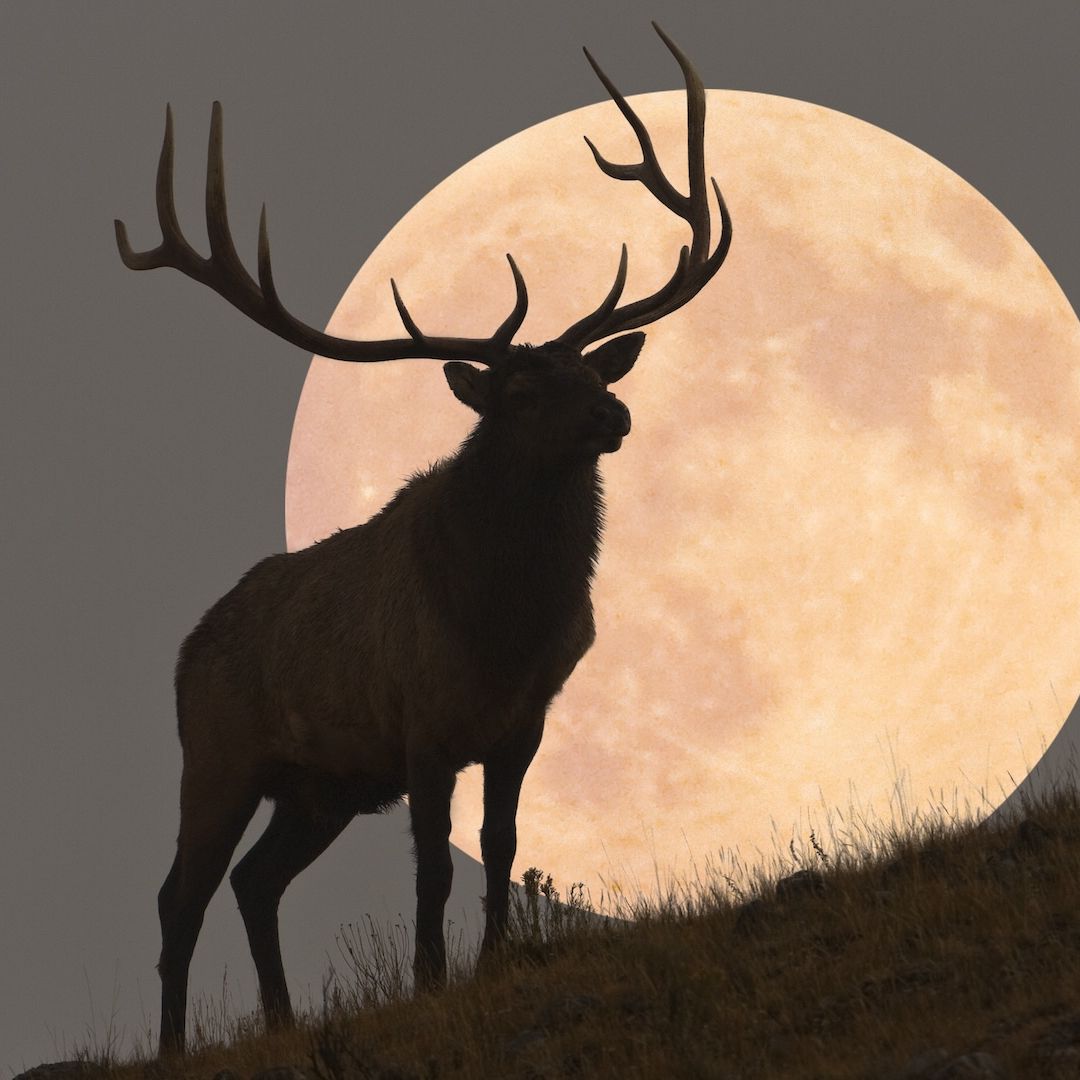
Skywatchers and nature enthusiasts are in for a celestial treat this month with the arrival of July’s full moon, traditionally known as the Buck Moon. This annual event offers a captivating opportunity to observe one of the most radiant full moons of the summer, providing a moment to connect with nature and marvel at the nighttime sky.
The Buck Moon, named by Indigenous communities and early colonists in North America, is called so because it coincides with the season when male deer, referred to as bucks, start their antler regeneration. This name underscores the profound link between natural cycles and ancestral knowledge handed down over time. Today, the Buck Moon remains captivating to stargazers globally, merging cultural heritage with astronomical marvel.
Este año, la luna llena de Buck decorará el firmamento a mediados de julio. Aunque la fecha exacta puede variar un poco según la zona horaria y el lugar, la luna alcanzará su plenitud y brillantez en la noche del 21 de julio. Para una experiencia óptima de avistamiento, se sugiere observar el horizonte sureste poco después de la puesta del sol cuando la luna se eleva majestuosamente en el cielo.
La luna llena alcanzará su punto máximo alrededor de las 6:17 a.m. hora del Este el 21 de julio, aunque parecerá casi llena en las noches anteriores y posteriores a este momento. Como con todas las lunas llenas, la mejor visibilidad se logrará cuando la luna esté alta en el cielo y no sea obstruida por las luces de la ciudad o condiciones meteorológicas adversas. Las áreas rurales y los paisajes abiertos ofrecen las ubicaciones ideales para observar la luna en toda su majestuosidad.
One reason the Buck Moon captivates many is its occurrence in the peak of summer in the Northern Hemisphere. The balmy evenings and extended daylight offer a pleasant atmosphere for outdoor events, moonlit strolls, and stargazing by enthusiasts. This period is often used by individuals to organize picnics, camping trips, or simply to go outdoors and appreciate the sky’s show.
For individuals interested in the phases of the moon, July’s full moon offers a great chance to learn. The lunar cycle, taking approximately 29.5 days, moves through specific stages: new moon, waxing crescent, first quarter, waxing gibbous, full moon, waning gibbous, last quarter, and waning crescent. The full moon is when the entire surface of the moon is lighted up by the sun, showing its greatest brightness to Earth.
Astronomers and casual observers frequently take advantage of this period to capture photographs of the moon or examine its surface characteristics. By looking with the unaided eye, observers can enjoy the light and shadow patterns known as lunar maria and highlands, which provide the moon with its unique look. Individuals using telescopes or binoculars are able to investigate craters, ridges, and other geological structures with more precision.
In different cultures, the Buck Moon is not only visually captivating but also holds symbolic and spiritual meaning. For certain groups, it signifies a period of refreshment, plenty, and introspection. In farming customs, the full moon acted as a natural calendar, directing sowing and reaping activities. Even in contemporary times, numerous individuals include lunar phases in their personal ceremonies or mindfulness exercises, utilizing the moon as a central element for meditation or defining objectives.
The July Buck Moon aligns with various celestial phenomena, enriching the experience of watching the night sky. During this month, the Delta Aquariids meteor shower often begins to make an appearance. While it usually reaches its peak later in July, it can deliver sporadic meteors throughout the month. Additionally, luminous planets like Saturn and Jupiter might be seen, providing an added layer to stargazing activities.
To maximize your experience of the Buck Moon, consider planning an evening outdoors away from artificial lights. National parks, nature reserves, or even suburban backyards can provide suitable vantage points. Bring along a blanket, binoculars, or a telescope, and check local weather forecasts to ensure clear skies.
Enthusiasts of photography are able to take breathtaking pictures of the full moon with the help of advanced smartphone cameras, DSLR equipment, or even basic point-and-shoot models. Modifying exposure levels and adjusting composition can result in unforgettable photographs, particularly when the moon is close to the horizon and surrounded by trees, structures, or scenic landscapes.
For parents and teachers, the Buck Moon presents an enjoyable and instructive chance to introduce kids to the wonders of astronomy, the history of nature, and the relationships that connect all life on Earth. Easy tasks like recognizing the different phases of the moon, sharing stories about the meaning of the Buck Moon, or crafting art inspired by the moon can captivate young imaginations and ignite their inquisitiveness.
As modifications in natural landscapes occur due to climate change and urban growth, dedicating moments to witness occurrences such as the Buck Moon can enhance our gratitude for Earth and the universe. Observing the stars promotes attention, tranquility, and amazement—traits that are becoming more essential in our rapidly moving society.
For those who prefer digital assistance, various mobile apps and websites can help track the moon’s phases, rise and set times, and ideal viewing conditions. These tools make it easier than ever to plan a moonwatching experience that suits individual schedules and preferences.
In certain areas, local astronomical societies or nature groups organize full moon gatherings, which may feature guided hikes, telescope observations, and informative presentations. Taking part in these community activities can enrich the experience and create chances to connect with others who have a shared enthusiasm for stargazing.
In essence, the July Buck Moon offers a captivating opportunity to embrace the natural world, delve into astronomical wonders, and engage in the timeless practice of moonwatching. Whether experienced in solitude with thoughtful contemplation or enjoyed with loved ones, this astronomical spectacle highlights the allure and enigma that the cosmos presents each month, just above us.
Mark your calendar for the evening of July 21 and prepare to witness the brilliance of the Buck Moon—an enduring symbol of summer’s splendor and the timeless rhythms of the natural world.
