
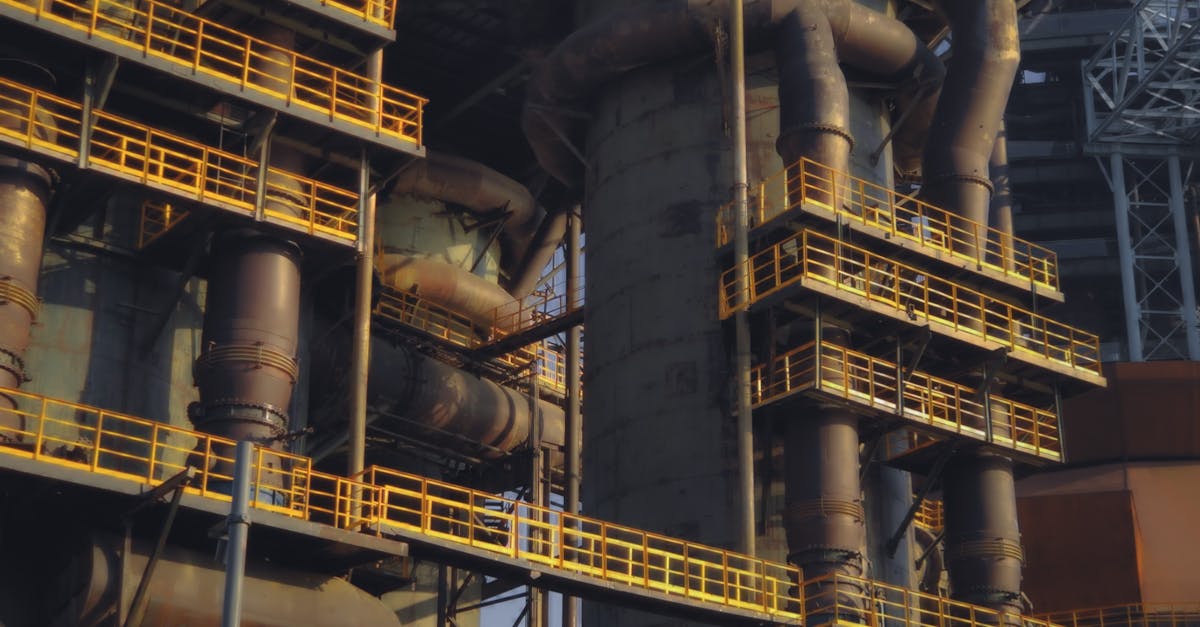
Over the past ten years, Chinese industry has moved from concentrating solely on production volume and rapid expansion to embracing a broader agenda that includes environmental stewardship, social governance, and transparent supply chains. Guided by national policies, investor expectations, brand requirements, and emerging digital technologies, companies in sectors such as steel, chemicals, electronics, textiles, and recycling have introduced corporate social responsibility (CSR) initiatives aimed at cutting waste, promoting circular use of materials, and improving access to environmental information. This overview presents regulatory forces, representative industrial examples, technological drivers, quantifiable impacts, and the challenges that still need to be addressed.
Regulatory and market drivers
Regulation and market forces have aligned to create incentives for waste reduction and disclosure:
- Stricter environmental regulation: National and provincial authorities tightened emission standards, required pollutant discharge permits, and expanded inspections, prompting plants to invest in cleaner production and pollution control.
- Exchange and investor pressure: Stock exchanges and institutional investors have pushed listed companies toward greater environmental, social, and governance (ESG) disclosure, increasing demand for reliable data on waste and emissions.
- Global buyer requirements: International brands and large buyers conditioning procurement on supplier audits and environmental standards have accelerated upgrades in textile dyeing, electronics assembly, and chemical processing.
- Extended producer responsibility pilots: Pilots and policies for product take-back—especially for electronics, batteries, and packaging—encouraged manufacturers to create collection systems and recycling partnerships.
Outstanding industrial CSR examples
- Steel: Baowu Steel Group
- One of the world’s largest steelmakers invested in waste heat recovery, by-product utilization, and digital monitoring. Projects convert blast furnace gas and other process off-gases into on-site power, while blast furnace slag is processed and sold for cement and road-building aggregates. Baowu’s sustainability reports document these circular practices and disclose energy and material performance at plant level.
Chemicals and petrochemicals: Sinopec and PetroChinaMajor state-owned refiners and chemical producers expanded vapor recovery systems, upgraded wastewater treatment, and rolled out continuous emission monitoring systems (CEMS). Several refineries publish real-time emissions and routine environmental performance data to provincial platforms, increasing public transparency and enabling rapid response to exceedances.
Electronics manufacturing: supplier remediation and battery recyclingGlobal-brand-led inspections prompted electronics assemblers and component producers to upgrade wastewater treatment, curb hazardous waste, and strengthen safeguards for employee health and safety. Suppliers, including major contract manufacturers, introduced on-site water recycling and refined chemical-handling protocols. Meanwhile, electric-vehicle battery producers and raw-material firms, among them large battery manufacturers, rolled out collection programs and trial recycling sites to reclaim lithium, cobalt, and nickel from used batteries and cut overall waste streams.
Textiles and dyeing clusters in Zhejiang and JiangsuExport-oriented textile clusters adopted closed-loop dyeing technologies, advanced effluent treatment, and zero-liquid discharge (ZLD) systems in response to brand audits and regulation. Partnerships among mills, brands, and technology providers introduced water recycling and chemical substitution projects that cut freshwater intake and lower pollutant loads in receiving waters.
Electronic waste and formalization: from informal Guiyu to licensed recyclersTraditional informal recycling clusters were progressively substituted with authorized facilities featuring safer disassembly methods, improved solvent recovery, and regulated emissions systems. Joint public–private cleanup initiatives shifted informal activities to designated areas, enhanced local infrastructure, and established traceable collection pathways that connect retailers and manufacturers with certified recycling operators.
Supply chain transparency pilots: blockchain and IoTRetailers and industrial firms piloted blockchain traceability and sensor-based monitoring for high-risk inputs like cotton, seafood, and critical minerals. Projects used distributed ledgers to record provenance and digital sensors to report temperature, handling, and emissions, enabling brands and regulators to verify claims and reduce information asymmetry.
Technology and data tools that power waste reduction and transparency
- Continuous monitoring (CEMS): Online, real-time pollutant monitoring for stacks and wastewater has become more widespread, enabling public disclosure and faster enforcement.
- Advanced wastewater treatment and ZLD: Membrane technologies, biological treatment upgrades, and evaporation systems let plants recover water and reduce effluent loads.
- Industrial symbiosis and by-product markets: Platforms and industrial parks coordinate by-product flows—e.g., slag for cement, waste heat for district heating—turning waste streams into inputs for other facilities.
- Digital traceability: Blockchain pilots, supply chain platforms, and third-party verification tools track material provenance, chemical inputs, and compliance steps across multiple tiers of suppliers.
- AI and automated sorting: Smart sorting for municipal and industrial waste streams increases material recovery rates and reduces contamination in recyclables.
Results and supporting proof of impact
Corporate CSR programs and regulatory action have produced several observable impacts:
- Plants adopting cleaner production and treatment technologies report lower pollutant discharges and reduced freshwater intake compared with legacy operations.
- Public disclosure platforms and mandatory reporting by listed firms increased the availability of environmental data, enabling investors, NGOs, and local communities to scrutinize performance.
- Closed-loop approaches in textiles and chemicals have reduced reliance on virgin inputs in pilot projects and enabled more stable procurement of recycled feedstocks.
- Formalized e-waste and battery recycling channels have captured valuable materials that would otherwise have been lost or released as pollution, while improving worker safety in processing facilities.
Obstacles and constraints
Progress remains significant yet uneven. Major obstacles include:
- Enforcement inconsistency: Variations in provincial and local inspection capabilities and enforcement resources cause compliance to fluctuate across sectors and regions.
- SME capacity gaps: Many small and medium-sized enterprises lack sufficient funding, technical expertise, and financial access to adopt advanced treatment systems or circular solutions.
- Data quality and credibility: Corporate self-reported information may exhibit omissions, selective reporting, or greenwashing when strong third-party verification is absent.
- Complex supply chains: Layered supplier networks limit brands’ ability to maintain uniform standards and achieve transparency throughout higher upstream tiers.
- Informal sectors: Remaining informal recyclers and small-scale handlers continue to pose environmental and social challenges, particularly within rural and peri-urban communities.
Key insights acquired and practical guidance
- Blend regulatory enforcement with incentive-based measures: while enforcement ensures fundamental compliance, subsidies, affordable financing options, and tax benefits can spur faster adoption of cleaner technologies.
- Expand third-party verification systems: independent assessments and certified laboratories strengthen data reliability and curb the likelihood of greenwashing.
- Facilitate the transition of SMEs: initiatives such as technology-sharing programs, consolidated infrastructure within industrial parks, and communal treatment facilities help reduce entry barriers for smaller enterprises.
- Advance product stewardship: extended producer responsibility models and take-back channels help create closed-loop systems for items like electronics, batteries, and packaging.
- Apply digital transparency thoughtfully: tools such as blockchain and IoT improve traceability, yet they must be supported by on-the-ground verification and clear public disclosure to deliver meaningful results.
China’s industrial CSR path illustrates how regulatory pressure, market expectations, and technological uptake can jointly cut waste, recover resources, and make environmental performance easier to track. Yet execution remains uneven: when investment, technical know-how, and reliable verification converge, progress becomes concrete and reproducible; when enforcement gaps, financial constraints, or intricate supply chains persist, advancement slows. Long-term improvement will hinge on expanding validated technologies, reinforcing data reliability, and crafting policies that enable smaller producers to integrate into circular value chains instead of being left behind.
