Our website uses cookies to improve and personalize your experience and to display advertisements (if any). Our website may also include third-party cookies such as Google Adsense, Google Analytics, and YouTube. By using the website, you agree to the use of cookies. We have updated our Privacy Policy. Click the button to view our Privacy Policy.

Avatar photo

Isabella Walker

2692 Posts
Malawi agribusiness CSR programs driving better nutrition and resilience outcomes

Malawi agribusiness CSR programs driving better nutrition and resilience outcomes

Malawi at a glance: why agribusiness CSR matters for nutrition and resilienceMalawi is a predominantly agricultural nation where small-scale farmers generate the majority of essential foods and feed numerous agribusiness value chains. Farming engages most of the countryside population and accounts for a significant portion of national output, although numerous smallholders continue to face shocks, weather stress, and inadequate nutrition levels. Malnutrition—particularly chronic stunting among minors—remains a major health and developmental challenge. Corporate social responsibility initiatives within the agribusiness sector can serve as a powerful catalyst by merging market entry, capital deployment, technical assistance, and nutrition-targeted programs to elevate smallholder…
Read More
Why timely forecasts are essential for managing wildfires and droughts

Why timely forecasts are essential for managing wildfires and droughts

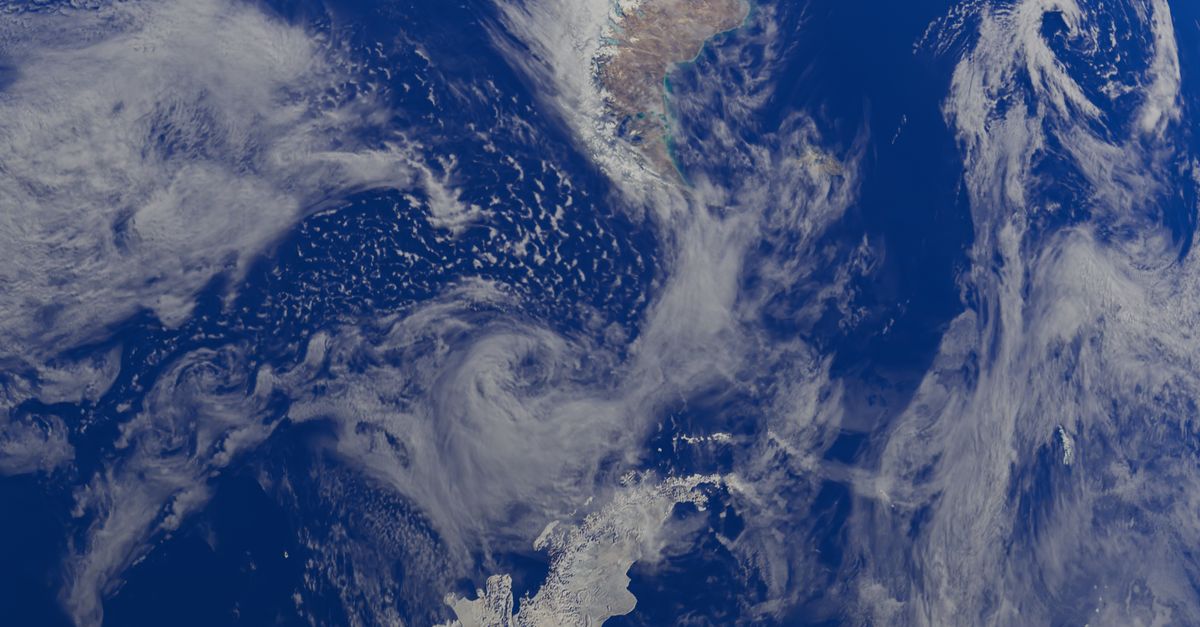
Why Severe-Weather Forecasting Matters More Than EverExtreme weather events like heat waves, floods, hurricanes, wildfires, and droughts are growing more frequent and intense as the climate warms. Saving lives, safeguarding infrastructure, and directing emergency responses depend heavily on precise and prompt forecasts. Driven by breakthroughs in climate models and an explosion in satellite data, forecasting capabilities have advanced significantly over the last twenty years. Combined, these instruments are reshaping the way scientists spot, anticipate, and convey the dangers of severe weather.Contemporary Climate Models: Transitioning from Broad Averages to Granular PrecisionClimate models act as computer simulations designed to capture the physical,…
Read More
How to compare the largest fortunes in history adjusted for inflation

How to compare the largest fortunes in history adjusted for inflation

Comprehending Riches Through the AgesComparing fortunes across history requires adjusting for inflation and, more importantly, for relative economic scale. A billionaire today may hold immense purchasing power, but a ruler who controlled a significant share of an entire empire’s output could command resources far beyond modern private wealth. The figures below are widely cited estimates adjusted to modern U.S. dollars, combining historical records, economic research, and comparative GDP analysis. Exact numbers remain debated, yet the scale of influence and economic control is clear.1. Mansa Musa I (c. 1280–1337)Estimated net worth (inflation-adjusted): $400–500+ billionMansa Musa, emperor of the Mali Empire, is…
Read More
The 8 Most Toxic Minerals and Compounds Known

The 8 most toxic minerals and compounds with documented health risks

Introduction: Understanding Extreme ToxicityThroughout history, specific minerals and chemical compounds have proven extraordinarily toxic, capable of triggering severe illness or death even upon minimal exposure. While toxicity depends on dosage, route of entry, and duration, certain substances remain inherently perilous due to their biochemical reactivity, bodily persistence, or capacity to disrupt essential cellular functions. Presented below are eight exceptionally lethal minerals and compounds, chosen for their deadliness, historical significance, and well-documented health impacts.1. ArsenicArsenic is a naturally occurring metalloid found in soil, groundwater, and certain minerals. It exists in both organic and inorganic forms, with inorganic arsenic compounds being far…
Read More