
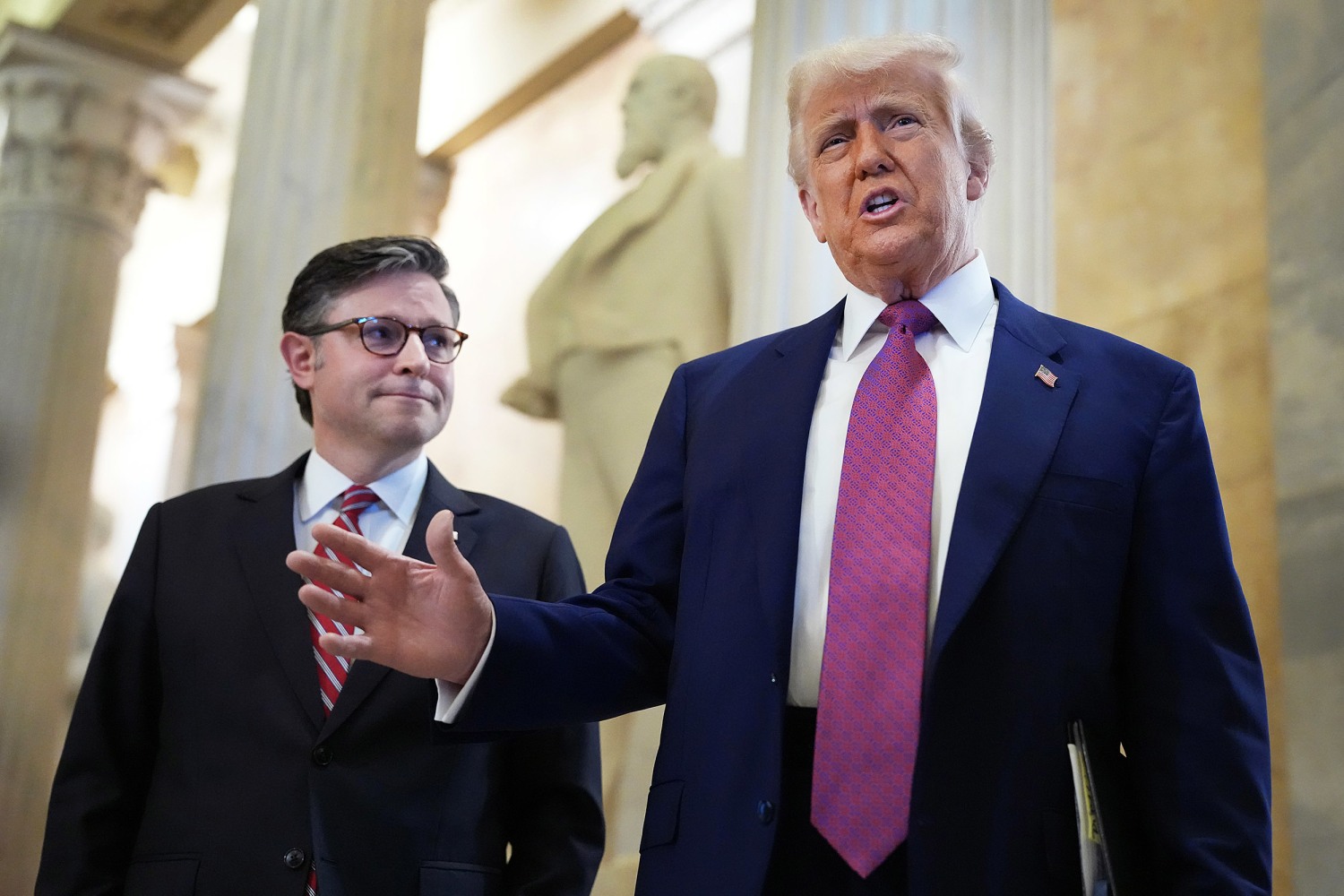
Changes in national policy brought about by the legislative measures of past President Donald Trump have reignited discussions on how these modifications might impact American laborers. These policies span various sectors, including taxation, manufacturing, healthcare, and trade, with widespread effects on job stability, incomes, benefits, and the overall economy.
Although some of these policies were initially designed to encourage growth and rejuvenate vital sectors, critics contend that the advantages have not been equitably shared, with some groups of workers experiencing restricted or varied results. Analyzing the impact of these extensive domestic reforms on the job landscape offers important insight into both the possibilities and obstacles confronting the American workforce today.
One of the most prominent elements of Trump’s domestic policy was the Tax Cuts and Jobs Act (TCJA), passed in 2017. Marketed as a means to boost corporate investment and create jobs, the legislation significantly reduced corporate tax rates and provided temporary tax relief for individuals. Proponents claimed that lowering the corporate tax rate from 35% to 21% would encourage businesses to reinvest in their operations, leading to job creation and wage growth.
In the short term, some companies did report higher profits and increased spending on share buybacks and dividends. However, the actual effect on wages and job creation was less pronounced than anticipated. While unemployment rates declined during much of Trump’s presidency, wage growth remained relatively modest, and much of the economic gains appeared to flow toward shareholders rather than the working class.
Manufacturing was a central element of Trump’s political agenda and underwent efforts for rejuvenation. The introduction of tariffs on imports from nations such as China aimed to promote local production and shield U.S. industries from overseas competition. While certain industries, like steel and aluminum, experienced short-term increases, the overall effect on manufacturing employment was varied.
Tariffs resulted in countermeasures from other countries, increasing expenses for U.S. manufacturers that depend on foreign parts. Consequently, certain sectors experienced greater unpredictability, supply chain interruptions, and elevated costs, which ultimately curtailed the beneficial impacts on job numbers within the manufacturing sector. In particular instances, smaller companies were especially burdened by these trade policies, finding it difficult to manage the rising costs.
Health policy was yet another sector targeted for major reforms by the Trump administration. While attempts to completely overturn the Affordable Care Act (ACA) did not succeed, important parts were modified, such as removing the penalty for the individual mandate. For workers in the United States, especially those in lower-paid positions or in sectors lacking robust employer-backed insurance, these alterations caused new difficulties.
Without the requirement, certain people chose to forgo health insurance, resulting in worries about increasing premiums for those still covered. Employees in smaller companies or who hold part-time positions might have faced more challenges in securing affordable medical care, adding to financial stress and health risk. Although some businesses gained from lessened regulatory burdens, the effect on employees underscored the fragile equilibrium between cutting costs and ensuring social well-being.
In terms of labor regulations, the Trump administration prioritized deregulation, aiming to reduce the compliance burden on businesses. This included scaling back worker protection rules in areas such as occupational safety, wage and hour enforcement, and collective bargaining rights. While some businesses applauded these efforts as a way to streamline operations and lower costs, labor advocates warned that weakened protections could leave workers vulnerable to exploitation and unsafe conditions.
The spotlight also focused on the gig economy during this time. As more people turned to app-driven jobs and freelance work, countless Americans discovered new ways to generate income. Nevertheless, these unconventional job setups frequently missed the security, benefits, and legal safeguards that full-time staff receive. Attempts to change employment classifications faced opposition, leaving many gig workers vulnerable regarding healthcare, retirement funds, and unemployment benefits.
Infrastructure investment was another key promise of Trump’s domestic policy agenda. While substantial infrastructure legislation was proposed, including ambitious plans to rebuild roads, bridges, and public utilities, much of the proposed funding did not materialize during his time in office. For American workers, particularly in the construction and engineering sectors, this represented a missed opportunity to create stable, well-paying jobs through government-funded projects.
At the same time, immigration policy reforms introduced stricter regulations on both legal and undocumented immigration. These changes had an impact on industries reliant on immigrant labor, including agriculture, hospitality, and healthcare support. Tighter visa restrictions and enforcement led to labor shortages in some regions, affecting business operations and, in some cases, driving up costs for consumers.
The COVID-19 pandemic, which struck during Trump’s final year in office, served as a critical stress test for the American workforce and the domestic policies in place. Emergency relief measures, including the CARES Act, provided direct financial support to workers and businesses, temporarily cushioning the economic blow. Unemployment benefits were expanded, stimulus checks were distributed, and small business loans helped many employers stay afloat.
However, the pandemic also exposed structural weaknesses in the labor market, including income inequality, lack of paid sick leave, and limited access to affordable healthcare—issues that predated the pandemic but were intensified by the crisis. Workers in low-wage, frontline positions faced heightened risks, and many women, particularly those with caregiving responsibilities, were disproportionately affected by job losses and reduced hours.
Looking ahead, the legacy of Trump’s domestic policy on American workers is likely to be viewed through a mixed lens. On one hand, certain industries benefited from reduced regulation and favorable tax treatment. On the other hand, the failure to address systemic labor issues, combined with short-term policy approaches, left many workers facing persistent insecurity.
Economic analysts emphasize that while tax cuts and deregulation can create a more business-friendly environment, sustainable job growth and worker well-being also require investment in education, healthcare, infrastructure, and social safety nets. The absence of comprehensive strategies in these areas has left gaps that subsequent administrations will need to address.
For workers, the key takeaways from this period include the importance of adaptability in a changing labor market, the need for updated worker protections in the gig economy, and the ongoing relevance of strong public infrastructure investment. Ensuring that economic gains are shared equitably across income groups remains a central challenge for policymakers.
In conclusion, Trump’s domestic policy legacy is complex, with notable shifts that have both helped and hindered American workers in various ways. While some businesses experienced short-term boosts, the broader goal of delivering widespread economic prosperity and security for workers remains an unfinished task. As the U.S. continues to navigate economic uncertainty and labor market evolution, the lessons learned from this period will shape future policy decisions aimed at building a more inclusive and resilient workforce.
