
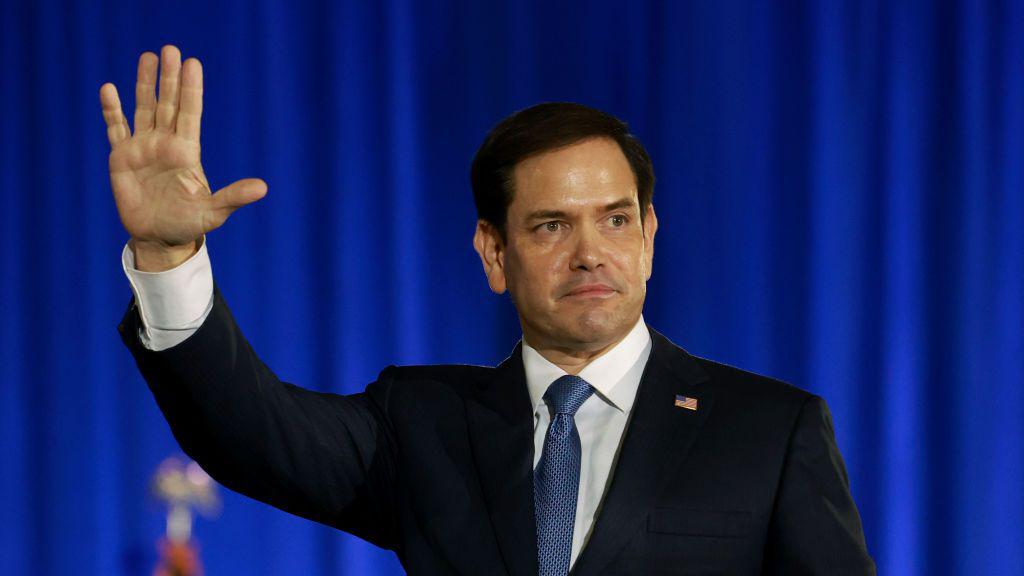
In a notable case highlighting the increasing dangers linked to artificial intelligence, an unidentified person allegedly utilized AI resources to imitate U.S. Senator Marco Rubio and contacted government officials from other countries. This occurrence, involving online trickery on a global scale, emphasizes the developing issues that arise from the swift progress of artificial intelligence and its abuse in political and diplomatic spheres.
The impersonation, which has caught the attention of security experts and political analysts alike, involved the use of AI-generated communications crafted to mimic Senator Rubio’s identity. The fraudulent messages, directed at foreign ministers and other high-ranking officials, aimed to create the illusion of legitimate correspondence from the Florida senator. While the precise content of these communications has not been disclosed publicly, reports suggest that the AI-driven deception was convincing enough to raise initial concerns among recipients before the hoax was discovered.
Instances of online identity theft aren’t a recent development, yet the inclusion of advanced artificial intelligence technologies has greatly expanded the reach, authenticity, and possible consequences of these threats. In this scenario, the AI platform seems to have been used not just to mimic the senator’s writing style but possibly other personal characteristics, like signature formats or even vocal nuances, although verification on the use of voice deepfakes hasn’t been confirmed.
El incidente ha reavivado el debate acerca de las implicaciones de la inteligencia artificial en la ciberseguridad y las relaciones internacionales. La capacidad de los sistemas de IA para crear identidades o comunicaciones falsas altamente creíbles representa una amenaza a la integridad de los canales diplomáticos, generando preocupaciones sobre cómo los gobiernos e instituciones pueden protegerse contra tales manipulaciones. Dada la naturaleza delicada de las comunicaciones entre figuras políticas y gobiernos extranjeros, la posibilidad de que la desinformación generada por IA se infiltre en estos intercambios podría tener importantes consecuencias diplomáticas.
As artificial intelligence continues to advance, the line between authentic and fabricated digital identities grows increasingly blurred. The use of AI for malicious impersonation purposes is a growing area of concern for cybersecurity experts. With AI models now capable of producing human-like text, synthetic voices, and even realistic video deepfakes, the potential for misuse spans from small-scale scams to large-scale political interference.
This particular case involving the impersonation of Senator Rubio serves as a high-profile reminder that even prominent public figures are not immune to such threats. The incident also highlights the importance of digital verification protocols in political communications. As traditional forms of authentication, such as email signatures or recognizable writing styles, become vulnerable to AI replication, there is an urgent need for more robust security measures, including biometric verification, blockchain-based identity tracking, or advanced encryption systems.
The precise intentions of the impersonator have yet to be determined. It is still uncertain if the aim was to gather confidential data, disseminate false information, or disturb diplomatic ties. Nevertheless, the incident highlights how AI-enabled impersonation may be used as a tool to erode trust among nations, create chaos, or promote political objectives.
The U.S. government and its allies have already recognized the emerging threat of AI manipulation in both domestic and international arenas. Intelligence agencies have warned that artificial intelligence could be used to influence elections, create fake news stories, or conduct cyber espionage. The addition of political impersonation to this growing list of AI-driven threats calls for urgent policy responses and the development of new defensive strategies.
Senator Rubio, recognized for his involvement in discussions about international relations and national safety, has not publicly provided a detailed comment regarding this particular event. Nevertheless, he has earlier voiced his worries about the geopolitical threats linked to new technologies, such as artificial intelligence. This situation further contributes to the overall conversation about how democratic systems need to adjust to the issues presented by digital misinformation and synthetic media.
Globally, the deployment of AI for political impersonation poses not just security risks, but also legal and ethical issues. Numerous countries are still beginning to formulate rules regarding the responsible application of artificial intelligence. Existing legal systems frequently lack the capacity to tackle the intricacies of AI-produced content, particularly when used across international borders where jurisdictional limits make enforcement challenging.
The impersonation of political figures is especially concerning given the potential for such incidents to escalate into diplomatic disputes. A well-timed fake message, seemingly sent from an official government representative, could trigger real-world consequences, including strained relations, economic retaliation, or worse. This risk underscores the need for international cooperation in setting standards for the use of AI technologies and the establishment of channels for rapid verification of sensitive communications.
Experts in the field of cybersecurity stress the importance of human vigilance along with technical measures, as it is crucial for protection. Educating officials, diplomats, and others involved about identifying indicators of digital manipulation can reduce the likelihood of becoming a target of these tactics. Moreover, organizations are being prompted to implement authentication systems with multiple layers that surpass easily copied credentials.
This event involving Senator Rubio’s impersonation is not the first time that AI-driven deception has been used to target political or high-profile individuals. In recent years, there have been multiple incidents involving deepfake videos, voice cloning, and text generation aimed at misleading the public or manipulating decision-makers. Each case serves as a warning that the digital landscape is changing, and with it, the strategies required to defend against deception must evolve.
Specialists foresee that with the growing accessibility and user-friendliness of AI, both the occurrence and complexity of these types of attacks will continue to rise. Open-source AI frameworks and readily accessible tools reduce the entry threshold for harmful individuals, allowing even those with minimal technical skills to carry out campaigns of impersonation or misinformation.
To combat these threats, several technology companies are working on AI detection tools capable of identifying synthetic content. At the same time, governments are beginning to explore legislation aimed at criminalizing the malicious use of AI for impersonation or disinformation. The challenge lies in balancing innovation and security, ensuring that beneficial applications of AI can thrive without opening the door to exploitation.
The recent occurrence highlights the necessity of public understanding regarding digital genuineness. In a setting where any communication, clip, or audio file might be artificially created, it becomes crucial to think critically and assess information with care. Individuals and organizations alike need to adjust to this evolving reality by checking the origins of information, being skeptical of unexpected messages, and taking preventive steps.
For governmental bodies, the consequences are especially significant. Confidence in messaging, both within and outside the organization, is crucial for successful governance and international relations. The deterioration of this trust due to AI interference might significantly impact national safety, global collaboration, and the solidity of democratic institutions.
As governments, corporations, and individuals grapple with the consequences of artificial intelligence misuse, the need for comprehensive solutions becomes increasingly urgent. From the development of AI detection tools to the establishment of global norms and policies, addressing the challenges of AI-driven impersonation requires a coordinated, multi-faceted approach.
The simulation of Senator Marco Rubio with the use of artificial intelligence serves not only as a warning story—it offers a peek into a future where reality can be effortlessly fabricated, and where the genuineness of all forms of communication could be doubted. How communities deal with this issue will determine the nature of the digital environment for many years ahead.
