
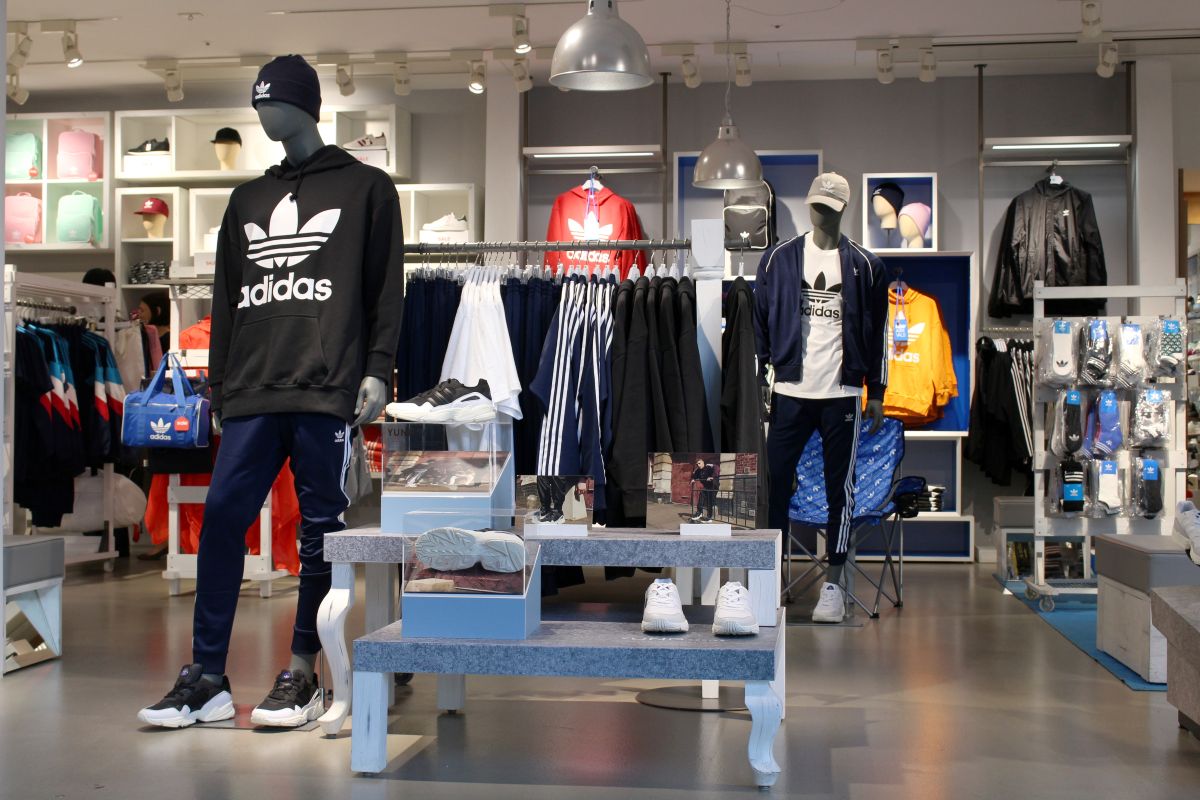
Adidas is preparing to adjust its pricing strategy in response to mounting financial pressure from increased U.S. import tariffs, which are projected to raise the company’s expenses by approximately €200 million. This anticipated cost spike is prompting the German sportswear giant to pass part of the financial burden onto consumers, especially in key markets like the United States.
La corporation ha indicado que estos costos adicionales son mayormente impulsados por modificaciones en la política comercial, en especial los nuevos o aumentados aranceles aplicados a productos fabricados en lugares como China y luego exportados a los Estados Unidos. Para una marca con una presencia significativa en el mercado estadounidense, este cambio de política tiene repercusiones directas en la planificación presupuestaria operativa y en los precios de los productos.
Executives at Adidas have acknowledged that while absorbing some of the cost internally is possible, the magnitude of the increase makes it necessary to adjust prices across selected product lines. The changes are expected to be rolled out in phases, with a focus on minimizing consumer backlash while maintaining the company’s profit margins.
Despite the looming price hikes, Adidas remains committed to its core strategy of sustainable growth and brand positioning. The leadership team has emphasized that the decision to increase prices is not one taken lightly but is seen as a necessary step to safeguard the brand’s financial health and global competitiveness.
El contexto económico general es crucial para comprender esta acción. Las cadenas de suministro a nivel mundial siguen enfrentando inestabilidad debido a una combinación de tensiones geopolíticas, tendencias inflacionarias y cambios en la demanda de los consumidores. Para las empresas multinacionales como Adidas, enfrentar estos desafíos implica equilibrar los costos de producción, las fluctuaciones monetarias y los cambios en los acuerdos comerciales regionales. El impacto acumulado de estos factores se está haciendo sentir con mayor intensidad.
In recent years, Adidas has made efforts to diversify its manufacturing base, aiming to reduce dependence on any single country or region. This includes increased production in Vietnam, Indonesia, and other Southeast Asian countries. However, despite these changes, a considerable portion of Adidas products still fall under the categories affected by U.S. tariffs, making the cost increase largely unavoidable in the short term.
Consumers in the U.S., one of Adidas’s largest markets, are likely to see modest increases in prices for footwear, apparel, and accessories starting later this year. The company is also evaluating how to communicate these changes effectively to retain customer loyalty and prevent damage to brand perception. Transparency about the reasons behind the price shifts is expected to play a key role in its marketing strategy during this transition.
Analysts suggest that Adidas is not alone in facing such pressures. Other global brands reliant on international manufacturing and cross-border trade are likely to encounter similar challenges. Many have already signaled pricing adjustments or cost-cutting measures to protect their margins. This collective trend could contribute to broader inflationary pressure in consumer goods sectors, especially in apparel and footwear.
While some customers may react negatively to price increases, Adidas is betting on its strong brand equity and innovation pipeline to maintain market momentum. The company continues to invest in product development, sustainability initiatives, and digital channels to enhance customer engagement. These ongoing investments, Adidas believes, will help offset potential sales declines caused by higher retail prices.
In its most recent earnings announcement, Adidas highlighted a cautious yet hopeful financial perspective. The company reiterated its commitment to long-term financial success, focusing especially on crucial growth markets and direct-to-consumer avenues. Online sales have shown strong results, which helps to offset some of the fluctuations seen in the wholesale and conventional retail markets.
Adidas is investigating ways to improve operational efficiency to lessen the effects of costs related to tariffs. This involves enhancing logistics, renegotiating deals with suppliers, and speeding up automation in certain production sectors. Although these approaches might not instantly counterbalance the entire €200 million impact, they demonstrate a focused attempt to control expenses without sacrificing the quality of their products or the brand’s identity.
Industry analysts point out that the true challenge for Adidas will be sustaining consumer confidence and brand allegiance in a market sensitive to prices. As competition intensifies and buyers become more particular, extra expenses need to be justified not only by superior quality but also by brand values, innovation, and the customer experience.
In this evolving landscape, Adidas’s pricing adjustments reflect more than just a reaction to tariffs—they signal the brand’s broader adaptation to an uncertain global economy. The move underscores the complexities of international trade and the far-reaching consequences that policy decisions can have on global businesses and consumers alike.
Going forward, Adidas plans to monitor trade developments closely while continuing to diversify its sourcing strategy and streamline operations. The company is also engaged in dialogue with policy stakeholders and industry groups to advocate for more stable and predictable trade conditions that support global commerce and consumer access.
As the global retail sector continues to adapt to economic shifts, brands like Adidas are navigating a delicate balance between managing costs and delivering value. The planned price increases are part of a strategic response to external pressures that show no signs of easing in the near future. For Adidas, the goal remains clear: sustaining growth, maintaining its market position, and continuing to innovate—despite the challenges ahead.
