Our website uses cookies to improve and personalize your experience and to display advertisements (if any). Our website may also include third-party cookies such as Google Adsense, Google Analytics, and YouTube. By using the website, you agree to the use of cookies. We have updated our Privacy Policy. Click the button to view our Privacy Policy.

Science and Technology

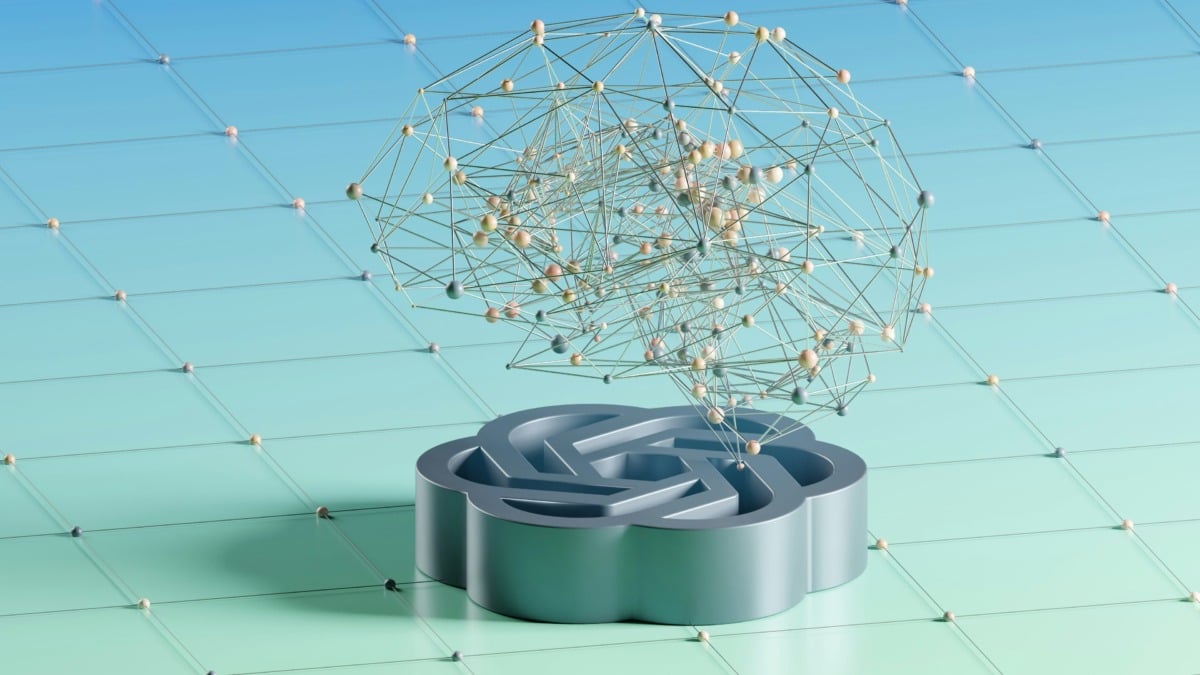
Why is multimodal AI becoming the default interface for many products?

Multimodal AI: The Future of Product Interaction

Multimodal AI describes systems capable of interpreting, producing, and engaging with diverse forms of input and output, including text, speech, images, video, and sensor signals, and what was once regarded as a cutting-edge experiment is quickly evolving into the standard interaction layer for both consumer and enterprise solutions, a transition propelled by rising user expectations, advancing technologies, and strong economic incentives that traditional single‑mode interfaces can no longer equal.Human communication inherently relies on multiple expressive modesPeople rarely process or express ideas through single, isolated channels; we talk while gesturing, interpret written words alongside images, and rely simultaneously on visual, spoken,…
Read More
How are microfluidics and organ-on-chip platforms changing biomedical research?

Biomedical Research Transformed: The Role of Microfluidics & Organ-on-Chip

Biomedical research is experiencing a profound shift as microengineering, cell biology, and materials science increasingly intersect, placing microfluidics and organ-on-chip platforms at the forefront of this evolution. These innovations enable scientists to mimic human biological processes on compact devices that fit in the hand, transforming approaches to disease investigation, drug evaluation, and the advancement of personalized medicine.Exploring Microfluidics Within Biomedical ApplicationsMicrofluidics involves the meticulous management of extremely small fluid volumes as they move through intricate networks of minute channels, allowing scientists in biomedical research to handle cells, nutrients, and biochemical cues with a precision unattainable through conventional laboratory techniques.Core functions…
Read More
What trends are shaping space technology and reusable launch systems?

Top Trends Driving Space Technology & Reusable Systems

Space technology is undergoing a rapid transformation driven by commercialization, digitalization, and sustainability goals. Governments are no longer the sole drivers of space programs; private companies, startups, and international partnerships now play decisive roles. At the center of this shift are reusable launch systems, which are redefining how frequently, affordably, and reliably payloads can reach orbit.Reusability as a Cost and Access RevolutionReusable launch systems are transforming the financial landscape of spaceflight, as rockets once discarded after a single mission and driving up costs are now being recovered and refurbished, with particular attention given to first-stage boosters.Major effects arising from reusability…
Read More
How are confidential computing and secure enclaves being adopted?

Confidential Computing & Secure Enclaves: Adoption Trends

Confidential computing is a security paradigm designed to protect data while it is being processed. Traditional security models focus on data at rest and data in transit, but leave a gap when data is in use within memory. Secure enclaves close that gap by creating hardware-isolated execution environments where code and data are encrypted in memory and inaccessible to the operating system, hypervisor, or other applications.Secure enclaves are the practical mechanism behind confidential computing. They rely on hardware features that establish a trusted execution environment, verify integrity through cryptographic attestation, and restrict access even from privileged system components.Key Drivers Behind…
Read More