

Decoding Gianni Versace’s Iconic Style DNA
Gianni Versace redefined the visual vocabulary of luxury fashion, infusing the industry with a boldness and sensuality that remain iconic decades after his ascent. Investigating the essence of Versace’s aesthetic reveals a convergence of inventive tailoring, fearless color combinations, historicism, and a celebration of the human form. His approach continues to influence designers and inform the language of global fashion. What precisely defines Gianni Versace’s style is a tapestry woven from diverse inspirations and an unmistakable visual bravura.
The Foundation: The Medusa Emblem and Mythological Roots
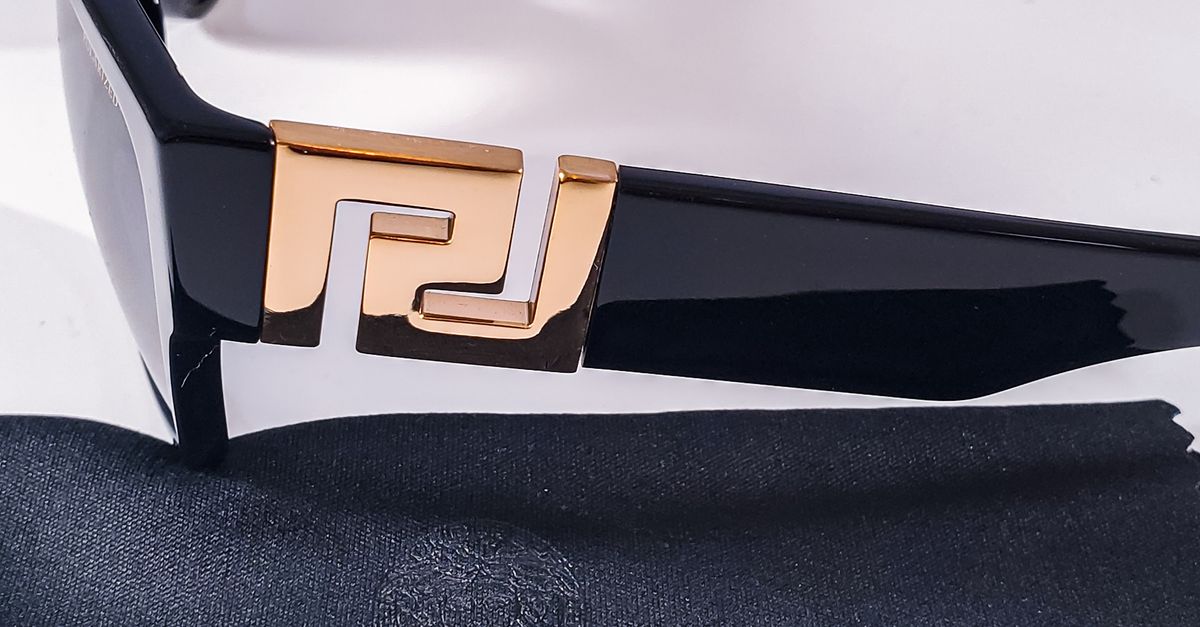
Central to Versace’s aesthetic legacy is the Medusa motif, which adorned countless pieces. Drawn from ancient Greek mythology, the Medusa symbolizes both allure and danger—a powerful statement regarding the duality of beauty and power in fashion. Versace was deeply inspired by the Italian and classical heritage, integrating motifs like Greek keys and baroque patterns into his textiles and prints. These references transcend nostalgic revival, instead serving as a launchpad for unapologetic modernity.
Coloration: A Palette of Provocation
Versace’s vibrant chromatic choices embody pure visual dynamism. During a period defined by understated aesthetics, Gianni Versace championed lavish shades—spanning intense pinks and striking blues to zesty yellows and rich emerald tones. His palette cascaded across silk garments, leather goods, and formal attire, radiating an aura of festivity and sophistication. Such chromatic fearlessness shines brightest within his Spring/Summer 1991 lineup, wherein contrasting hues, bold pattern combinations, and gleaming gold accents cemented a timeless aesthetic legacy.
Prints and Patterns: Ornate and Unapologetically Bold
Versace signature prints are notorious for their intricacy and maximalism. He popularized swirling baroque motifs, animal prints—most notably leopard and zebra—and photographic pop culture graphics. The 1990s saw his embrace of Andy Warhol-inspired patterns, as demonstrated in the infamous 1991 “Pop Art” collection, where Marilyn Monroe’s visage was splashed across silk dresses and shirts. No other luxury house matched this marrying of fine art, classical sculpture, and modern irony, producing clothing that was as visually arresting as a Renaissance fresco.
Tailoring: Fluidity Meets Structure
Versace’s expert tailoring bridges the realms of architectural discipline and unrestrained sensuality. His menswear revolutionized the male silhouette by introducing sharply tailored jackets often accentuated with bold lapels and unorthodox detailing. In womenswear, Versace challenged conventions by blending body-hugging silhouettes with intricately engineered cuts—think of the structured corset dresses or the “safety pin” dress worn by Elizabeth Hurley in 1994, which masterfully balanced edge and sophistication.
Sensuality and Empowerment: More Than Skin-Deep
One of the most frequently debated traits of Versace’s aesthetic is its striking sensuality. Form-fitting dresses frequently incorporated cutouts, deep necklines, or high slits meant to accentuate instead of hide. Yet, far from acting as simple provocation, these pieces championed freedom and confidence. Versace viewed sensuality as a vehicle for empowerment—perfectly embodied by supermodels such as Naomi Campbell and Cindy Crawford, who served as the living personification of this vision on the catwalk.
The Spirit of Excess: Embellishments and Materials
Intricate beadwork, cascades of Swarovski crystals, gold medallions, and lavish embroidery were hallmarks of Versace’s collections. Materials played a crucial role: leather, metallic mesh (famously the “Oroton”), and rich velvets coexisted with delicate chiffons and glossy silks. The layering of precious materials signaled a commitment to craftsmanship and spectacle, elevating clothes to the status of wearable art.
Cultural Fusion and Provocation
Versace demolished the boundaries between street culture, haute couture, and celebrity. He cultivated the concept of the “supermodel era,” assembling fashion titans for dramatic runway tableaux. Iconic campaigns shot by Richard Avedon and Herb Ritts fused fashion with visual art, redefining advertising standards. His provocative approach drew both criticism and acclaim, with some collections inspiring controversy for their perceived audacity—a deliberate tactic that ensured his house and collections never faded into the background.
The Enduring Impact and Recognition
Through his audacious vision, Gianni Versace forged not simply a label but an entire lifestyle. Even following his passing in 1997, the fashion house persists in translating these aesthetics—heritage patterns, uninhibited hues, and sophisticated defiance—while simultaneously updating them for new generations. Evaluations of modern style chronicle Versace’s enduring mark on catwalk traditions, celebrity styling (think of Jennifer Lopez’s green silk-chiffon gown at the 2000 Grammy Awards, subsequently known universally as “the Versace dress”), alongside the continuous dialogue regarding where fashion, art, and individual identity converge.
The essence of Gianni Versace’s aesthetic goes far beyond a mere assortment of design elements and visual themes; rather, it represents a masterful blend of boldness, tradition, and creativity aimed at celebrating elegance and strength. This iconic look continues to captivate—hypnotic, groundbreaking, and lavishly daring.
