

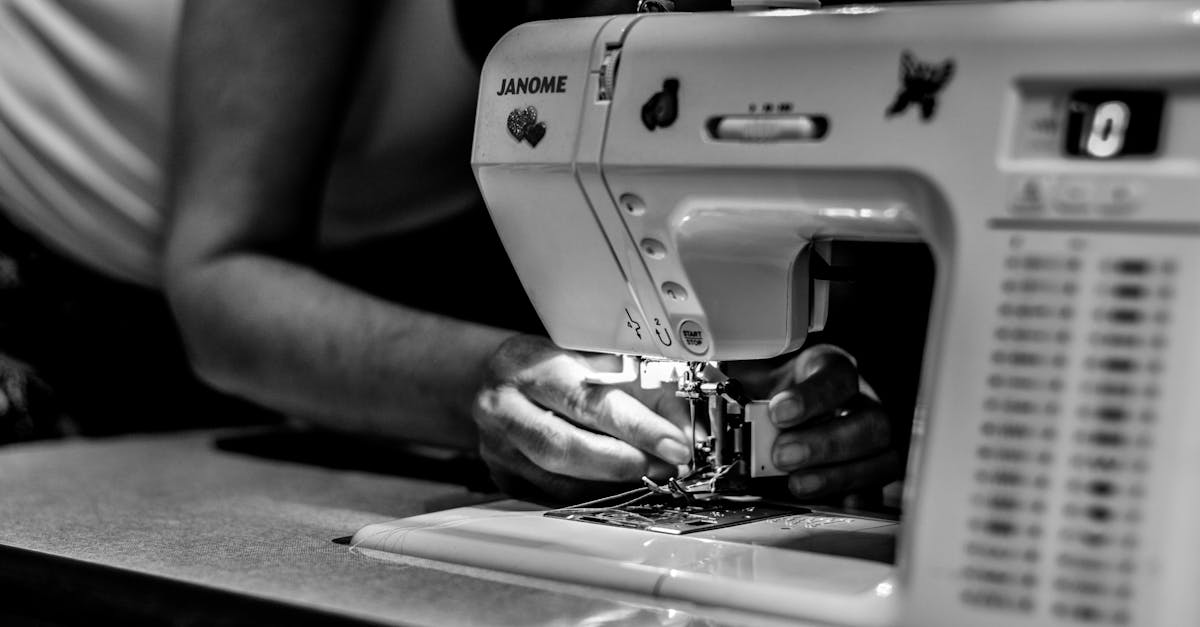
In the realm of fashion, the concept of “fitting” transcends the mere act of trying on clothes to see if they are the right size. It is an intricate dance of style, functionality, and personal taste. This notion is deeply rooted in both the industry’s historical development and the evolution of cultural aesthetics. Understanding fitting in fashion requires a comprehensive look at how garments are designed, tailored, and adjusted to align with both individual preferences and widespread trends.
Why Achieving the Right Fit Matters
Proper fit plays a pivotal role in fashion because it guarantees that garments feel comfortable, look appealing, and serve their intended purpose. When clothing fits well, it can elevate a person’s overall appearance, boost self-assurance, and allow unrestricted movement. In earlier times, apparel was tailored specifically for each individual, underscoring how essential proper fitting once was. As off-the-rack garments gained popularity throughout the 19th and 20th centuries, fit emerged as a decisive element in ready-to-wear design, prompting brands to craft pieces capable of accommodating and flattering a broad variety of body shapes.
The Science Behind Fitting
The science of fitting involves an understanding of human anatomy, textile properties, and design aesthetics. Designers use a blend of mathematics and artistry to create patterns that anticipate the dimensions and movements of the human body. Advanced technologies, such as 3D scanning and computer-aided design (CAD), have revolutionized this process, providing precise measurements and simulations. These tools help in creating garments that are not just stylized but also functionally suitable for various body types and postures.
Case Studies in Fitting
One notable example is the tailoring industry in Savile Row, London, renowned for its bespoke suits. Here, fit is not just a technical specification but a hallmark of craftsmanship. Each suit typically involves multiple fittings and meticulous measurements to achieve a perfect fit. On the other hand, brands like Zara, which operate within the fast fashion sector, emphasize quick adaptation of current trends with reasonably good fitting for a range of sizes, without the personalized approach of bespoke tailoring.
The Role of Personal Preference
Fitting involves more than basic measurements or size guides, as personal preference strongly shapes how people experience the way their clothes sit on the body. Some individuals favor a close, form‑defining cut, whereas others lean toward a loose, laid‑back silhouette that enhances ease and mobility. Cultural influences and evolving fashion movements also guide these choices, and the rise of oversized looks driven by streetwear brands in recent years illustrates a clear move toward more relaxed fits.
How Cultural Trends Shape Society
Cultural trends exert a substantial influence on perceptions of fitting. The 1960s and 70s saw a shift towards more fluid silhouettes, in contrast to the structured tailoring of the 1950s. More recently, the body positivity movement has propelled the demand for inclusive sizing and more personalized fitting solutions. This has led to increased availability of clothing that accommodates diverse body types, challenging the traditional notions of standardized sizes.
Fitting and Sustainability
Sustainability has become a central focus in fashion, and garment fit plays an essential role in this dialogue. Well-fitted pieces are less often discarded due to discomfort or unattractive appearance, encouraging more sustainable buying habits. Tailoring services and brands that emphasize customizable clothing promote durability and long-term satisfaction, supporting eco‑friendly practices.
Reflecting on the multifaceted nature of fitting in fashion reveals its intricate interplay between personal expression, cultural dynamism, and technological advancements. The ongoing dialogue between these elements helps to shape a more inclusive and forward-thinking fashion industry, continually adapting to the diverse tapestry of individual needs and preferences.
