
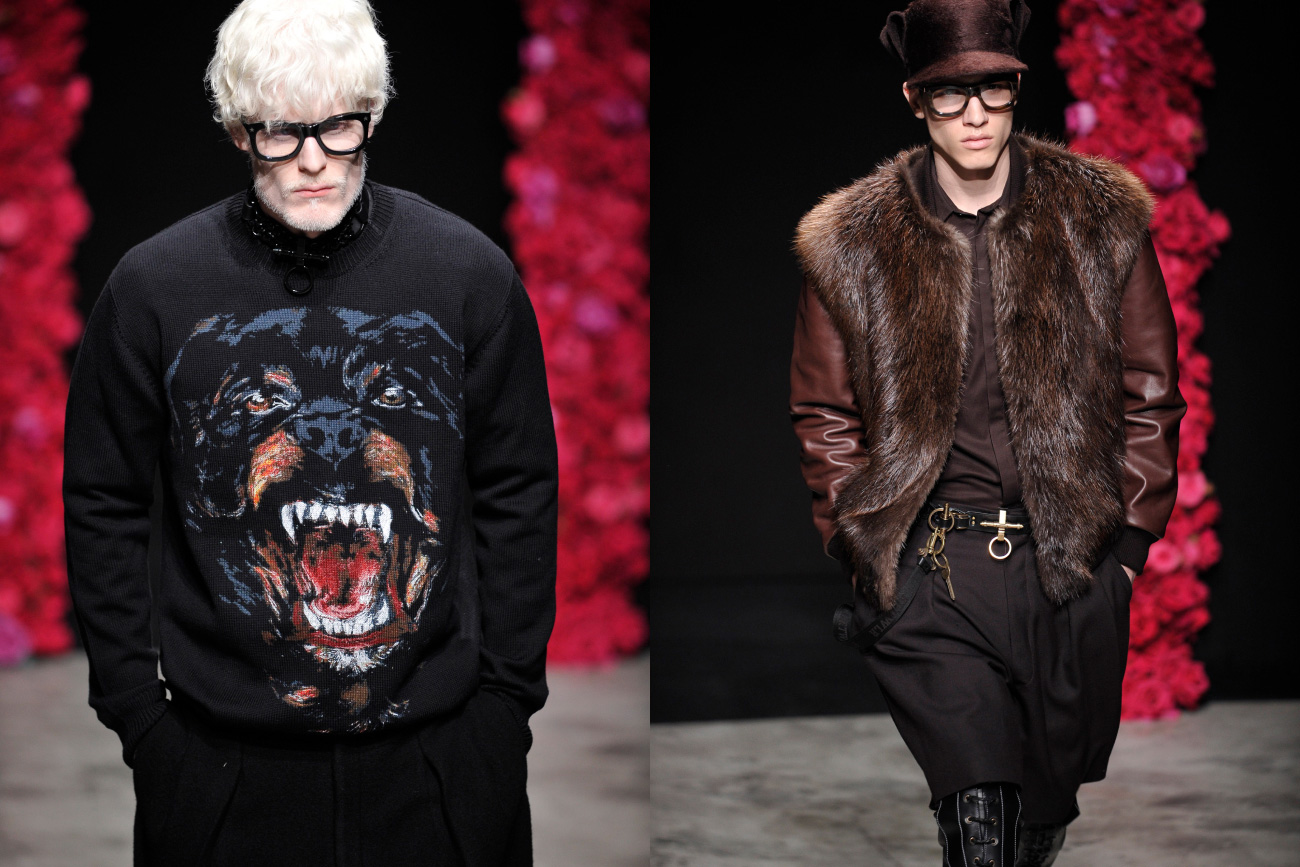
Throughout the past two decades, Riccardo Tisci has emerged as one of the most influential figures at the crossroads of luxury fashion and streetwear. His approach, rooted in a thorough understanding of both haute couture and urban culture, has redefined the boundaries of what luxury streetwear represents today. Exploring his vision illuminates not only the evolution of this genre but also the wider shifts in the modern fashion industry.
Initial Impact and Perspective
Riccardo Tisci’s background played a significant role in crafting his unique approach. Born in Taranto, Italy, Tisci later moved to London to study at Central Saint Martins, a pivotal institution for avant-garde fashion. Emerging onto the design scene in the early 2000s, he cultivated an aesthetic marked by contrasts: soft romanticism fused with dark, almost gothic, undertones. This dual sensibility would underpin his later work at the helm of Givenchy and Burberry.
Before the term streetwear became popular in luxury sectors, Tisci had already started incorporating features often linked with street style into haute couture. He was inspired by music subcultures, sports themes, and hip hop elements, while maintaining the technical precision required in high fashion.
The Givenchy Renaissance: Luxury Embraces the Street
Tisci’s arrival as Creative Director of Givenchy in 2005 signified a pivotal shift. By taking strategic risks and embracing innovation, he transformed the traditional French brand to appeal to a fresher, more international demographic. Tisci’s menswear lines were particularly groundbreaking, introducing graphic tees, sweatshirts, creative tailoring, and bomber jackets, frequently embellished with striking designs and religious symbols.
Among the most noteworthy illustrations is the Givenchy Rottweiler sweater from the Autumn/Winter 2011 lineup. With a price significantly exceeding typical street clothes but designed for everyday fashion, this item turned into a status icon. Numerous celebrities and musicians, such as Kanye West and Jay-Z, donned Tisci’s creations, boosting the impact of high-end streetwear. Tisci’s distinctive fusion of premium artistry and approachable styles eventually set a precedent for other luxury labels.
Collaborations and Celebrity Endorsements
Tisci realized the impact of partnerships and cultural connections. He often collaborated with streetwear legends and artists, expanding Givenchy’s fan base. His strong bond with Kanye West led to bespoke fashion items for the *Watch the Throne* tour, reinforcing the shared impact between hip hop and high-end brands.
Campaigns frequently featured a mix of top models and music artists. Tisci was the first to place a black male model on a Givenchy men’s runway, advocating for inclusivity in a sector that frequently ignored it. This approach, combined with street-style elements, played a role in reshaping the image of high-end luxury.
Design Codes: Hybridization of Materials and Silhouettes
An essential aspect of Tisci’s influence is the blended nature of his designs. Tisci frequently combined traditional tailoring with elements of street style, merging materials such as neoprene, jersey, and high-quality leathers. His visual expression featured basketball shorts worn with blazers, large sweatshirts matched with elaborately decorated shirts, and backpacks adorned with luxury metal fittings. With these selections, Tisci questioned the division between formal attire and casual wear, proposing innovative methods for both men and women to showcase their individuality.
The widespread adoption of patterns—like stars, animal themes, and baroque elements—led to numerous replicas while also defining a style in which urban symbols were transformed into luxurious decoration.
Impact at Burberry: The Democratization of Heritage
In 2018, Tisci became Chief Creative Officer at Burberry, a British heritage label with a distinct aesthetic. Within months, he released capsule streetwear collections featuring logo-centric garments, monogrammed accessories, and cross-category collaborations. His reworking of Burberry’s iconography—like introducing a new interlocked TB monogram—sent a clear signal that streetwear’s codes were integral to the brand’s future.
At Burberry, Tisci mirrored his approach from Givenchy, combining traditional trench coats with contemporary, high-tech outerwear and sneaker styles. He promoted street casting by including a range of models and influencers with diverse backgrounds, alongside the brand’s conventional representatives.
The Impact on Modern Luxury and Market Trends
Tisci’s method in design instigated significant changes within the luxury market. Consequently, brands including Balenciaga, Louis Vuitton, and Dior have crafted their own versions of opulent streetwear. Reports from industry analysts show that the sector of premium “athleisure” and street-style products has experienced double-digit annual growth rates during the 2010s, coinciding with the emergence of designers like Tisci, whose perspective merges exclusivity with urban realism.
Moreover, the secondary market for items from Givenchy’s Tisci period continues to thrive. The Rottweiler and Madonna t-shirts have gained almost legendary status, consistently selling for amounts significantly higher than their initial retail values. This lasting underground popularity emphasizes the idea that high-end streetwear, when executed with passion and foresight, can surpass temporary fashion trends.
Shifting Cultural Narratives and Lasting Legacy
Riccardo Tisci’s impact is not solely visible in garments or collections, but also in cultural perception. He advanced the idea that luxury need not be remote or intimidating; it could dialogue directly with youth culture and city life. His designs encouraged a new generation to aspire to luxury not just through fantasy eveningwear, but through everyday street-centric apparel. In doing so, Tisci bridged the distance between high fashion ateliers and the creative energy of the street, reshaping the ambitions of designers, brands, and consumers alike.
Tisci’s narrative describes a visionary designer who foresaw the significant transformation in fashion, moving from exclusivity towards inclusivity, and from traditional approaches to innovative ideas. His creations highlight the opportunity for blending elements from seemingly unrelated realms, setting up a model that keeps inspiring the progression of luxury streetwear.
