

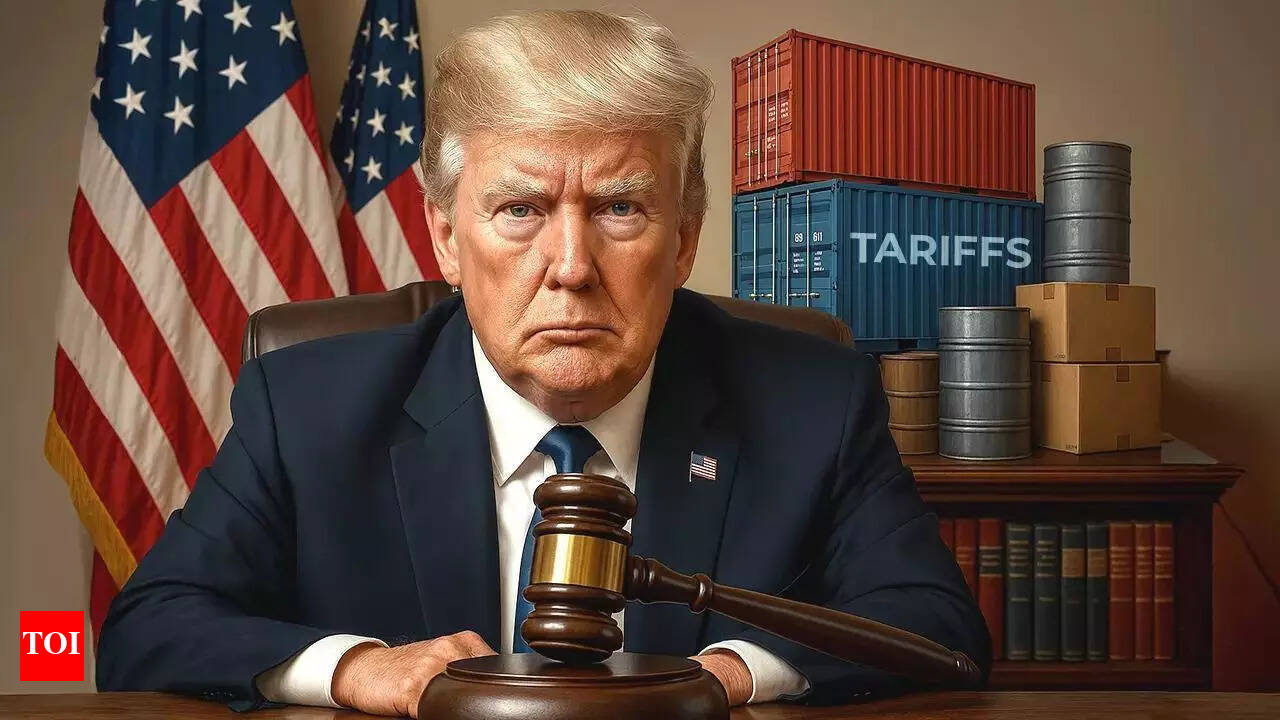
The discussion surrounding possible pharmaceutical tariffs has raised worries among patients and health specialists, as uncertainties grow regarding whether upcoming trade regulations might increase the cost of crucial medications.
The potential introduction of additional tariffs on pharmaceuticals has sparked extensive debate both within the healthcare industry and outside of it. Economic experts, patient advocacy organizations, and representatives from the industry are meticulously assessing how these actions might influence consumers who are already facing increasing healthcare expenses. Though the rationale for implementing tariffs is frequently associated with enhancing local manufacturing and altering international trade relationships, the effect on medication costs continues to be a controversial topic. If these tariffs are put into place, there might be a rise in the price of some drugs, yet well-thought-out exemptions could offer some relief for patients and healthcare providers.
Possible impacts on the cost of medication
Prescription drug prices in the United States have been a long-standing concern, with many patients struggling to afford life-saving treatments. Introducing tariffs on imported pharmaceuticals could further complicate this landscape, especially if applied broadly across categories of medications that are heavily relied upon. For individuals with chronic conditions requiring daily treatments, even a modest increase in cost could significantly affect household budgets and adherence to medical regimens.
Economists specializing in healthcare caution that tariffs might end up being borne by consumers since pharmaceutical firms encountering increased import expenses could likely modify their pricing models. Insurers might pass these additional costs onto patients by raising premiums or co-payment amounts. This results in a chain reaction, leading to not just higher costs for medications, but also making overall healthcare expenditures more challenging for households.
Nevertheless, the scenario has layers of complexity. Authorities have pointed out that exceptions might be considered for vital medications, generic pharmaceuticals, or indispensable resources where hikes in expenses could cause disproportionate harm. These exceptions might alleviate some of the pressing issues and avoid a broad disturbance in the availability of cost-effective healthcare.
Regulations on trade, supply networks, and local manufacturing
One of the central arguments for introducing pharmaceutical tariffs is to reduce reliance on foreign manufacturing, particularly in regions where geopolitical tensions or supply chain disruptions have raised vulnerabilities. The COVID-19 pandemic highlighted the fragility of global supply networks, with shortages in active pharmaceutical ingredients (APIs) and delays in shipping leading to bottlenecks in medication availability.
Supporters of tariffs argue that imposing such measures could incentivize domestic production, strengthening resilience in the pharmaceutical sector and ensuring greater control over critical drug supplies. They suggest that short-term price adjustments may be an acceptable trade-off for long-term security and self-reliance. In this view, tariffs act as a policy tool to protect national interests and encourage investment in local manufacturing infrastructure.
Critics, however, caution that building robust domestic capacity is not a quick process. Transitioning production from overseas to U.S. facilities requires significant investment, regulatory approvals, and workforce development, which could take years to achieve. In the meantime, patients could bear the brunt of higher costs without immediately reaping the benefits of greater domestic availability. This tension underscores the delicate balance between economic strategy and public health outcomes.
Exclusions and policy evaluations
Exemptions play a crucial role in shaping how impactful tariffs may ultimately be. If structured thoughtfully, they can protect the most vulnerable patients while still advancing broader policy objectives. For example, exempting essential drugs for chronic illnesses such as diabetes, cancer, or heart disease could shield millions of Americans from sudden financial strain. Similarly, ensuring that generic drugs remain tariff-free would help preserve one of the most accessible and cost-effective options in the market.
Policy experts note that exemptions could also extend to drugs with no viable domestic alternatives, recognizing that imposing tariffs on such products would not foster competition but instead create scarcity. By applying tariffs selectively and strategically, it is possible to pursue economic goals without undermining public health priorities.
The challenge lies in defining clear guidelines for which medications and products qualify for exemptions. Transparency in this process will be critical to maintaining trust and avoiding accusations of favoritism or inefficiency. Furthermore, exemptions must be regularly reviewed and updated to reflect changes in the pharmaceutical landscape, ensuring that protections remain relevant and effective over time.
What it means for patients and the healthcare system
For patients, the immediate concern is affordability. Any policy that risks raising drug prices draws attention from those who already face difficult choices between paying for prescriptions and covering other essential expenses. Advocacy groups stress that safeguarding access must remain the top priority in any trade or economic policy discussion.
Healthcare institutions are also concerned about the implications. Increasing medication costs may result in patients being less compliant, leading to worse health results and a higher need for urgent medical services. Consequently, this adds more pressure on hospitals, medical practices, and the wider healthcare system. Should exemptions effectively mitigate the detrimental impacts of tariffs, they might help maintain care consistency and avert these compounding issues.
From a broader perspective, the debate reflects a recurring tension in U.S. policy: balancing economic independence with the imperative of affordable healthcare. While the goals of securing domestic production and reducing reliance on foreign supply chains are important, they must be weighed against the ethical responsibility to ensure that patients are not disproportionately harmed by economic strategies.
The discussion concerning pharmaceutical tariffs brings to light the intricate intersection of trade, healthcare, and public policy. The choices made in this field will affect drug costs and will also influence the future of pharmaceutical innovation, supply chain stability, and patient health. As policymakers persist in adjusting proposals, the significance of exemptions will be crucial in deciding if tariffs serve as a means of economic resilience or a financial burden for millions of Americans.
The outcome will hinge on striking a balance between promoting domestic industry and protecting public health. For patients and providers alike, the hope is that policy decisions will prioritize accessibility and fairness, ensuring that any economic strategy does not come at the expense of the very people it is intended to serve.
