

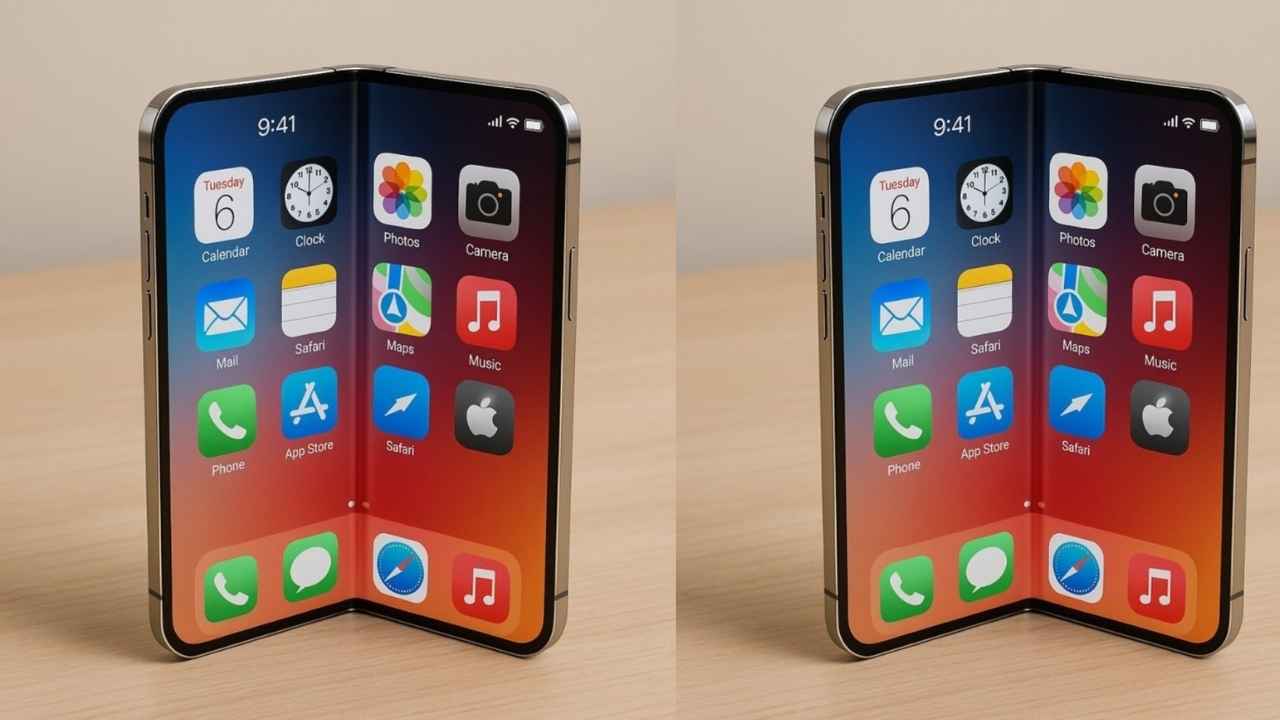
Apple has introduced a new iPhone model priced at $2,000, marking one of the most expensive consumer smartphones ever released. This launch has sparked conversations about technology, consumer trends, and the growing appetite for premium devices, as well as concerns about affordability in an already competitive market.
The tech giant’s newest iPhone represents the latest iteration of its flagship series, incorporating advanced features, cutting-edge hardware, and enhanced software capabilities. From improved cameras to faster processors and enhanced display technology, Apple has positioned this device as a premium option for users who prioritize performance, innovation, and design. While the price tag has raised eyebrows, the company argues that the enhancements justify the cost for those seeking the ultimate smartphone experience.
Characteristics and advancements influencing the cost
The $2,000 iPhone includes several technological upgrades that differentiate it from previous models. Among these are state-of-the-art camera systems capable of professional-level photography and videography, high-resolution displays with superior brightness and color accuracy, and processors designed to handle demanding applications with ease. Additionally, Apple has integrated new software features that improve user experience, security, and connectivity, reinforcing the device’s status as a premium product.
Battery life and charging speed have also been optimized, catering to users who rely heavily on their smartphones for work, media, and communication. The inclusion of enhanced materials, such as aerospace-grade alloys and ceramic shields, further contributes to the elevated cost. These innovations reflect Apple’s ongoing strategy of combining functionality, durability, and aesthetic appeal in a device that serves both practical and aspirational purposes.
Reactions of the market and consumer factors
Reactions to the launch have been mixed. Some consumers see the new iPhone as a status symbol, a tool that not only provides high performance but also signals sophistication and technological literacy. Others question whether the benefits justify the price, particularly when alternative devices offer many similar features at significantly lower costs. Market analysts suggest that Apple is targeting a specific segment of the consumer base—those willing to pay a premium for the latest technology and brand recognition.
The release of a $2,000 smartphone also raises questions about accessibility and consumer spending habits. For many, purchasing a device at this price point represents a significant financial commitment, potentially requiring financing or trade-ins. Despite this, Apple has consistently maintained strong sales in its premium segment, suggesting that demand remains robust even amid economic uncertainty and competitive pressures.
Wider consequences for the mobile phone sector
Apple’s pricing strategy reflects broader trends in the smartphone industry, where innovation often comes at a higher cost. Competitors may respond by introducing their own high-end models, incorporating advanced features to attract premium buyers. At the same time, mid-range and budget devices continue to dominate the majority of the market, emphasizing value and accessibility over luxury and cutting-edge technology.
This divergence in market strategy illustrates the challenges companies face in balancing innovation, affordability, and consumer expectations. While premium devices like the $2,000 iPhone showcase the possibilities of modern technology, they also highlight issues of inequality in access and the growing gap between high-end and mainstream smartphone users. Analysts note that these trends may influence future design choices, pricing structures, and marketing approaches across the industry.
Consumer guidance and purchasing considerations
For individuals considering a purchase, assessing the necessity of an upscale gadget is crucial. Although the latest iPhone provides high-end performance and features, not every customer needs the full potential of the priciest version. Elements like storage size, camera performance, and processor speed should be balanced against personal usage habits and financial limitations. Apple provides several financing plans and trade-in opportunities to make the device more attainable, yet buyers are advised to thoroughly determine if the expenditure matches their requirements and priorities.
Additionally, alternatives within Apple’s own lineup or from other manufacturers may provide a balance between performance and affordability. By comparing features, prices, and user experiences, buyers can make informed decisions that maximize value without compromising essential functionality. Staying updated on software updates and planned product cycles can also help consumers anticipate future releases and determine whether waiting for a new model may be more advantageous.
Looking ahead: the evolution of premium smartphones
The launch of a $2,000 iPhone highlights the changing dynamics in the smartphone realm, where advancements consistently challenge limits and reshape what customers anticipate. As gadgets improve, the expense associated with breakthroughs increases, requiring firms such as Apple to manage the ambition to be pioneers with the practical aspects of the market. Upcoming developments could involve more incorporation of artificial intelligence, augmented reality, and other cutting-edge technologies, all with the potential to impact prices and consumer interest.
The launch of this top-tier iPhone underscores both the possibilities and the obstacles within today’s consumer electronics. For tech lovers, it symbolizes the forefront of innovation. For the general audience, it acts as a reminder of the expanding luxury segment in the marketplace and the importance of evaluating attributes, usability, and price before committing to major buys. Whether this device will establish a new standard for the sector or stay as a specialized item is yet to be determined, but its introduction surely attracts interest and influences the dialogue about the future of smartphones.
