

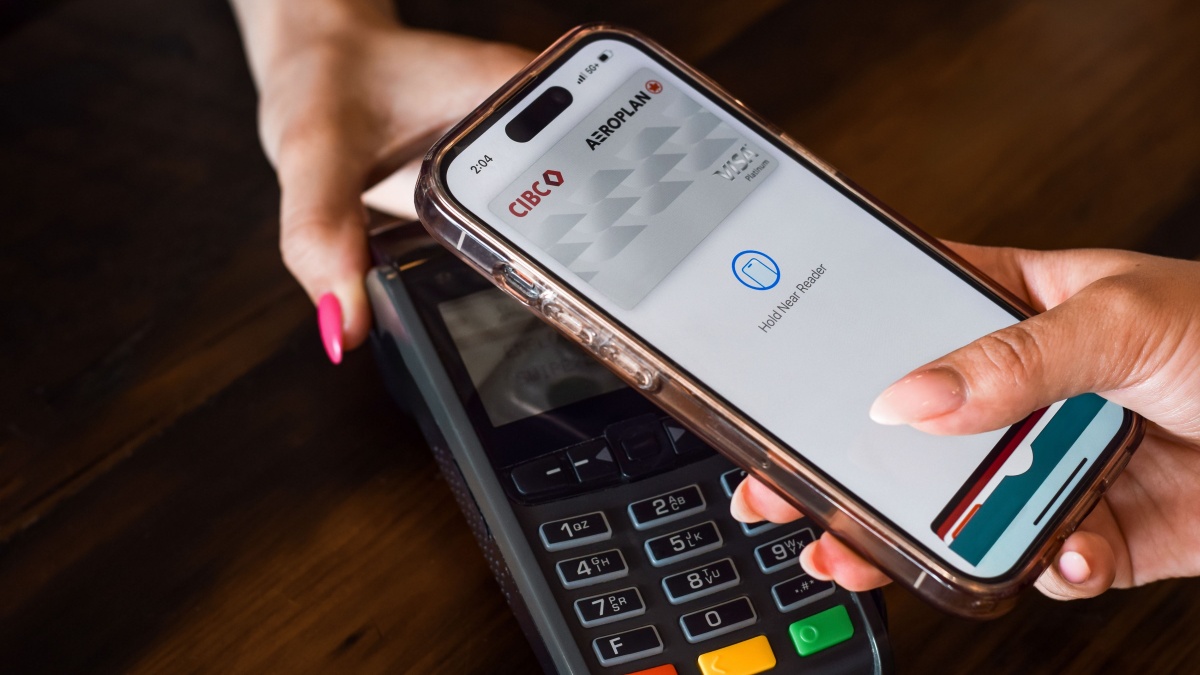
A significant legal conflict has arisen regarding the creation of Apple’s touchless payment system. According to court filings, the technology company is accused of unlawfully utilizing safeguarded intellectual assets to create its Apple Pay service. The case, lodged in federal court, puts forth substantial claims that might affect one of Apple’s highly lucrative offerings.
La querella surge de una empresa de tecnología financiera que sostiene que sus innovaciones patentadas son la base de la solución de pago móvil de Apple. Según los documentos presentados ante el tribunal, representantes de ambas organizaciones realizaron varias reuniones donde se compartieron detalles técnicos confidenciales bajo acuerdos de confidencialidad. El demandante alega que Apple posteriormente integró estos conceptos propietarios en Apple Pay sin autorización ni compensación.
Legal analysts note the case hinges on complex questions about intellectual property protection in the payments industry. The complaining company claims to have developed unique authentication protocols and transaction security methods that appear remarkably similar to those implemented in Apple’s system. Technical documents submitted as evidence allegedly show striking parallels between the patented technology and Apple Pay’s operational framework.
Apple has strongly refuted these claims, asserting that their payment system was created through their own research and development efforts. Representatives of the company emphasize the unique user experience and seamless integration of Apple Pay with the iOS ecosystem as proof of their innovative engineering. The company, headquartered in Cupertino, has sought to have the case thrown out, describing it as a calculated effort to capitalize on Apple’s success in the market.
La presentación de esta demanda es especialmente relevante en este momento, ya que Apple enfrenta un creciente escrutinio sobre su modelo de negocio de servicios. Con las regulaciones aumentando a nivel mundial en relación con las políticas de la App Store y las relaciones con los desarrolladores, esta demanda agrega otra capa de complejidad a los desafíos legales de Apple. Los analistas financieros señalan que Apple Pay se ha convertido en una fuente de ingresos cada vez más crucial, manejando miles de millones en transacciones cada año.
This scenario brings up essential issues regarding the safeguarding of innovation in today’s digital era. As mobile transactions become widespread, the beginnings of crucial technologies become more disputed. The legal case claims that Apple obtained an undeserved competitive edge by acquiring private information during what seemed to be preliminary business negotiations.
The plaintiff aims to secure significant financial compensation and possibly an injunction that may require changes to the technical setup of Apple Pay. Although such a result may not be imminent, it might have widespread implications for the mobile payments sector. Rivals and financial organizations are keeping a close watch on the proceedings, since the decision could impact future collaborations in technology and discussions regarding intellectual property.
Legal experts predict this dispute may take years to resolve through the court system. Similar high-profile cases in the technology sector have often resulted in settlements before reaching trial, though neither party has indicated willingness to negotiate at this stage. The discovery process could prove particularly revealing, potentially requiring Apple to share internal development documents related to Apple Pay’s creation.
For users, the direct effect seems negligible as Apple Pay maintains its usual functioning. Nonetheless, the case underscores wider issues regarding openness in digital payment methods and safeguarding innovations in financial technology. As digital transactions gain prevalence, the framework supporting these systems encounters increasing legal and regulatory scrutiny.
The legal action also highlights the sensitive character of business alliances in the technology sector, where exchanging proprietary knowledge usually comes before possible teamwork. Numerous new companies and smaller businesses currently confront challenging decisions about safeguarding intellectual property when dealing with major industry players. This scenario could set key standards for conducting such engagements to avert future conflicts.
As the competition among mobile payment platforms intensifies to establish themselves as the primary transaction method for smartphones, watches, and various other devices, the unique technology driving these services gains more importance. The result of this legal case may impact how advancements in payment technology are created, distributed, and monetized within the financial technology industry in the future.
Industry observers suggest this dispute may prompt companies to implement stricter safeguards when discussing potential partnerships. More comprehensive nondisclosure agreements, clearer documentation of invention timelines, and enhanced security protocols for sensitive technical information could become standard practice following this high-profile case.
For the moment, Apple continues to hold a leading role in mobile transactions, with Apple Pay being widely accepted by merchants across the globe. Nevertheless, this legal case brings about fresh uncertainty regarding the technological beginnings of the service and could influence its future growth plans. As the legal proceedings progress, the case might uncover valuable information about innovation practices in Silicon Valley and the competitive landscape of the payment sector.
The broader implications extend beyond these two companies, touching on fundamental questions about how technological progress occurs in interconnected industries. The resolution of this case could establish important boundaries around intellectual property rights in financial technology, shaping how future innovations are developed and commercialized in the digital payments space.
