

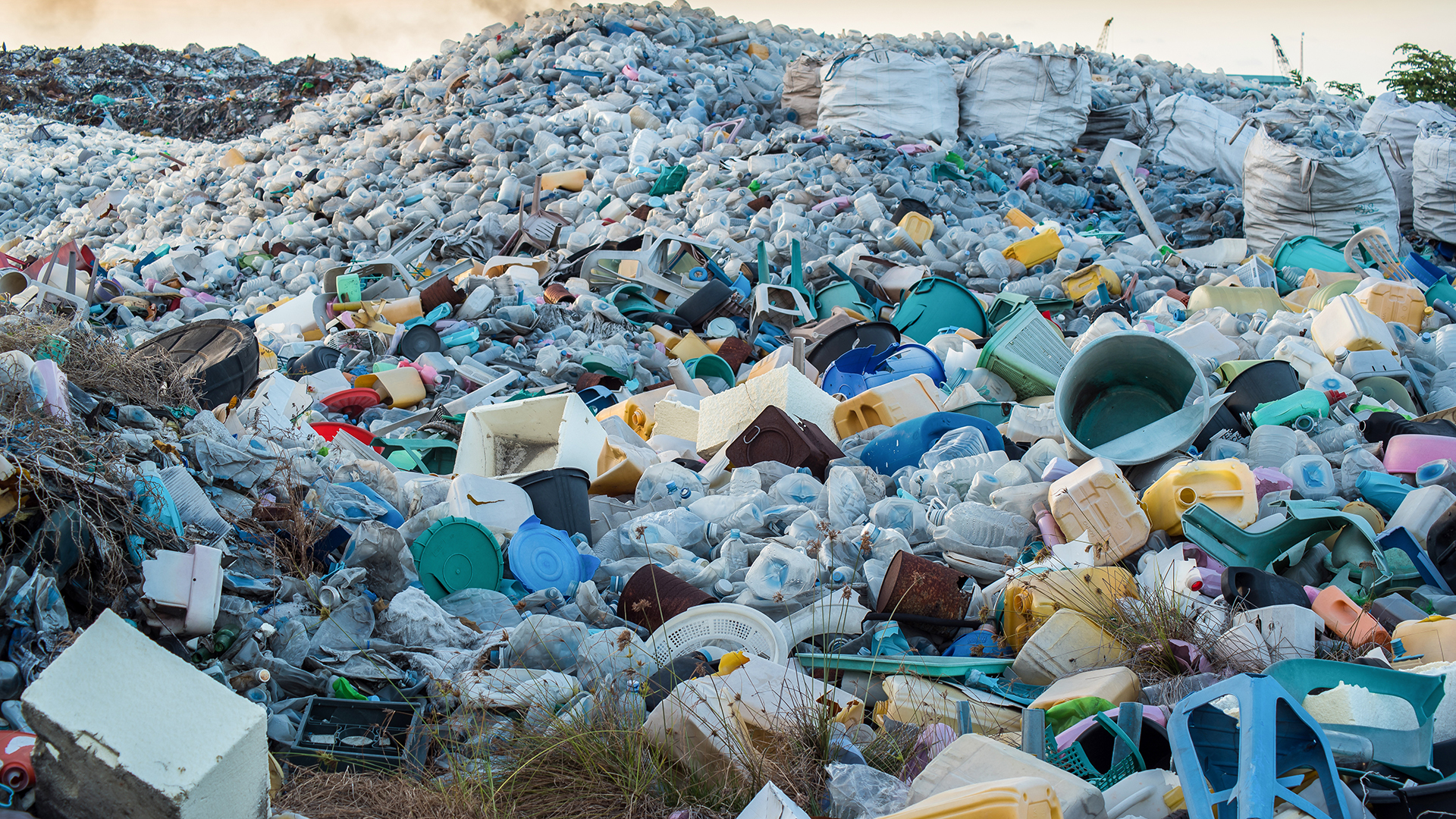
A recent comprehensive report has highlighted the staggering human and economic toll caused by plastic pollution worldwide, estimating that its impact amounts to approximately $1.5 trillion in deaths and injuries annually. This figure reflects the far-reaching consequences of plastic waste on public health, safety, and economic stability, drawing urgent attention to a growing global crisis.
Plastic materials, ubiquitous in modern life, have become a double-edged sword. While offering convenience, durability, and affordability, their proliferation has led to widespread environmental contamination and adverse health effects. The report underscores that plastic pollution is no longer just an environmental concern—it is a significant driver of human suffering and economic loss on a massive scale.
A crucial element of the crisis involves the detrimental impacts plastics have throughout their entire lifecycle—from creation and utilization to disposal and breakdown. Especially, the report highlights various ways in which plastics lead to harm and death, such as exposure to chemicals, incidents linked to plastic debris, and indirect impacts on food safety and the spread of diseases.
Chemical substances incorporated in the production of plastics, like phthalates and bisphenol A (BPA), have been associated with multiple health concerns, including hormone imbalances, developmental challenges in young ones, and heightened chances of chronic diseases such as cancer and heart disorders. Individuals working in the plastic manufacturing and recycling industries are particularly at risk from these dangers because of job-related exposure.
The long-lasting nature of plastics also leads to extensive pollution of air, water, and land. Microplastics—minute particles formed from the degradation of plastic materials—have been found in tap water, marine food, and even in the air we inhale. New studies indicate that consuming and inhaling these microplastics could potentially affect health, although the complete implications are still being examined.
Beyond the chemical effects, plastic pollution causes physical harm and even deaths. Poor waste management leads to hazardous build-ups in both cities and the countryside. This can result in problems like flooding from blocked drains, landfill fires, and injuries from sharp plastic waste. In certain areas, stagnant water caught in the debris increases the risk of vector-borne diseases related to plastic for local communities.
Marine ecosystems suffer severe harm due to plastic waste, impacting fisheries and coastal economies. The reduction in fish populations and pollution of seafood sources has consequences for food security, especially in underprivileged coastal areas that depend heavily on marine resources. Malnutrition and associated health problems may increase as a result.
Economically, the $1.5 trillion estimate includes healthcare costs associated with plastic-related diseases, loss of productivity from illness and injury, expenses for waste management, and damage to industries such as tourism and fisheries. The burden falls disproportionately on developing countries, where infrastructure to manage plastic waste is often lacking, and healthcare systems face greater strain.
El informe insta a tomar medidas urgentes y coordinadas entre los gobiernos, las industrias y la sociedad civil para abordar la compleja crisis del plástico. Las estrategias comprenden disminuir la producción y el consumo de plástico, invertir en alternativas sostenibles, mejorar la infraestructura de recolección de residuos y reciclaje, y aumentar la educación pública sobre los riesgos para la salud de la contaminación por plásticos.
Policy interventions such as extended producer responsibility (EPR) schemes, bans on single-use plastics, and regulations on hazardous chemical additives are recommended to mitigate harm. Additionally, advancing scientific research on plastic’s health impacts will support evidence-based policymaking.
International cooperation is vital, given that plastic pollution transcends borders through waterways and ocean currents. Multilateral agreements and shared commitments can amplify efforts to reduce plastic waste generation and foster innovation in sustainable materials.
The report highlights the importance of integrating health considerations into environmental policies, emphasizing that protecting human well-being and ecological integrity are deeply interconnected goals. Addressing the plastic crisis offers an opportunity to improve public health outcomes, promote economic resilience, and safeguard ecosystems for future generations.
As the global community contends with the growing issue of plastic waste, this fresh evaluation highlights the critical necessity of changing the way communities manufacture, utilize, and handle plastics. The repercussions of failing to act, which are quantified by lost lives and financial damage, are overwhelmingly significant.
Efforts to curb the plastic crisis will require sustained political will, cross-sector collaboration, and community engagement. By prioritizing sustainable solutions and embracing innovation, humanity can chart a path toward a healthier planet and a safer environment for all.
