

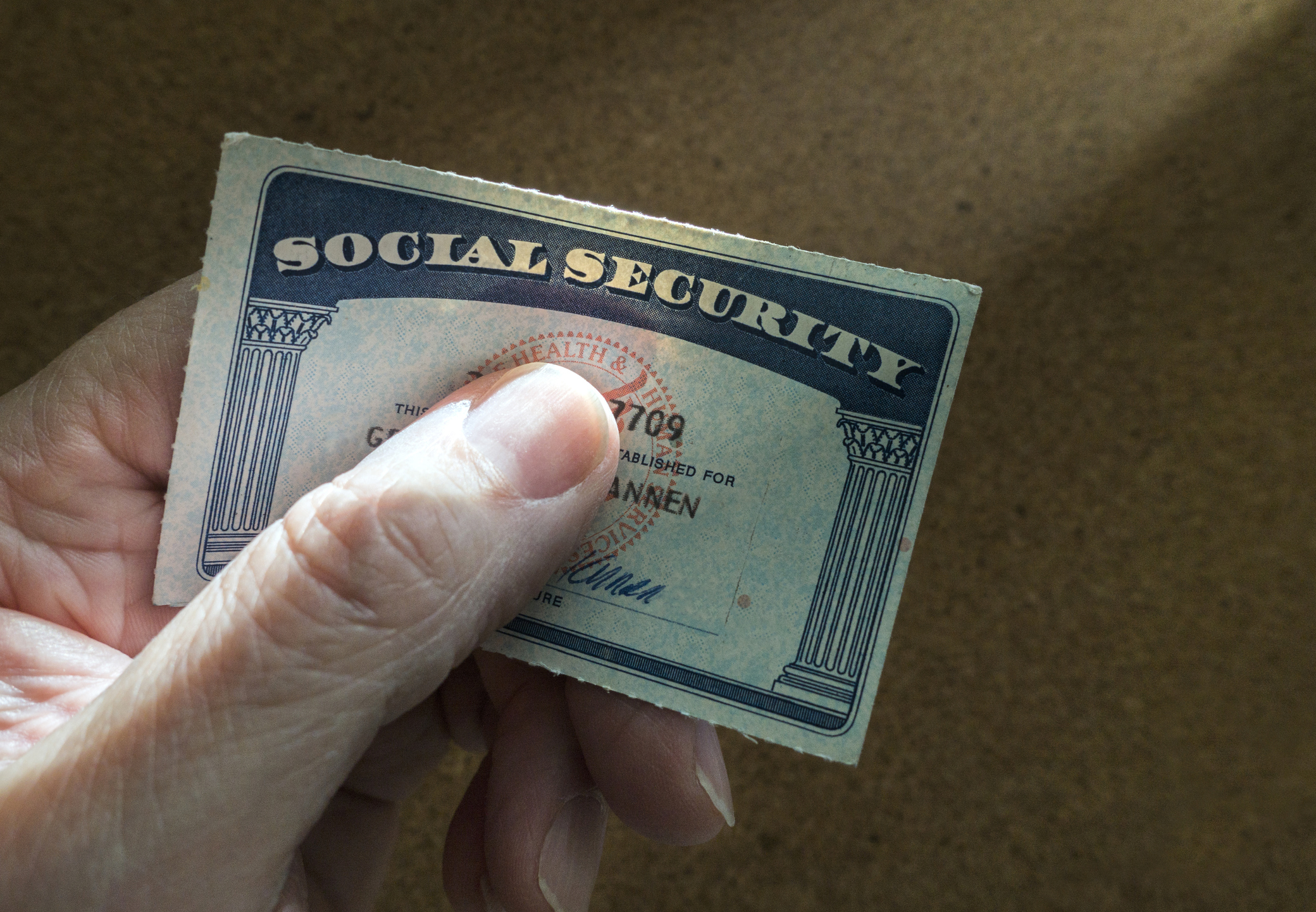
When a Social Security number is compromised, time is of the essence. Whether through a data breach, phishing scam, or identity theft, once this critical piece of personal information falls into the wrong hands, the window to prevent misuse narrows rapidly. Criminals often waste no time turning stolen numbers into tools for fraud, and the impact can extend far beyond financial damage.
With the increase in identity theft and the advancement of cyberattacks, knowing the dangers of a Social Security number (SSN) exposure—and the rapid onset of potential fraud—is crucial for both individuals and entities.
The Social Security number was never designed to serve as a universal identifier, but over time, it has become exactly that. It’s linked to a person’s credit history, government benefits, employment records, tax filings, and even healthcare. That centrality makes it a prime target for cybercriminals and identity thieves.
When a Social Security Number is compromised—be it due to a financial institution breach, a security lapse at a medical firm, or a breach in a shopping site—it can be traded on the dark web for astonishingly low amounts. The true worth of this data is not in its price, but in the opportunities it creates: applying for fraudulent loans, submitting false tax returns, creating counterfeit identifications, and illegal jobs, among others.
In numerous situations, offenders start utilizing a pilfered SSN mere days or even hours after obtaining it. Automated systems assist scammers in verifying the validity of numbers and combining them with other stolen details to create full identities. Once they have a matching name, SSN, and address, these malicious individuals are able to request credit cards, submit unemployment applications, or set up bank accounts.
According to cybersecurity researchers, identity fraud attempts often spike within a week of a major data breach. For example, after the Equifax breach in 2017, millions of SSNs were believed to have been compromised, and consumers reported fraudulent activity soon after. The trend has repeated itself with other incidents, from healthcare breaches to hacked payroll systems.
This swift timeline highlights the necessity of taking prompt action when an SSN might be in jeopardy. The more extended the postponement, the greater the chance for fraudsters to misuse the details.
Typical methods offenders exploit a Social Security number
Once a SSN is in circulation on the dark web, it can be misused in several damaging ways:
- Opening credit accounts: thieves can apply for credit cards or personal loans in the victim’s name, often using a change of address to divert the bills.
- Tax fraud: a stolen SSN may be used to file a fraudulent tax return and claim a refund before the real taxpayer submits their return.
- Employment fraud: undocumented workers or individuals with criminal records may use someone else’s SSN to get a job, leading to false income reporting.
- Medical identity theft: with the SSN and other personal details, fraudsters can access medical services or prescription drugs, leaving victims with false records and unpaid bills.
- Utility or phone service fraud: scammers can open new utility accounts under a victim’s name and skip out on payment, damaging the victim’s credit in the process.
The consequences of these actions can follow a person for years, affecting their creditworthiness, tax status, and even access to healthcare.
What to do if you suspect your SSN is compromised
In case you have reasons to suspect that your Social Security number might have been exposed, either due to a confirmed security incident or unusual activities, taking swift measures is crucial. Specialists advise taking the following actions:
- Place a fraud alert: contact one of the three major credit bureaus—Equifax, Experian, or TransUnion—to place a one-year fraud alert on your credit file. This alert notifies creditors to take extra precautions when verifying your identity.
- Consider a credit freeze: a more aggressive step, a credit freeze blocks access to your credit report altogether. This prevents new credit accounts from being opened in your name until the freeze is lifted.
- Monitor your credit: regularly check your credit reports for unfamiliar activity. Under federal law, you’re entitled to one free report from each bureau annually at AnnualCreditReport.com.
- Report identity theft: if you detect misuse, file a report with the Federal Trade Commission (FTC) at IdentityTheft.gov and consider filing a police report. The FTC provides recovery plans tailored to each type of identity theft.
- Contact the IRS and SSA: for suspected tax-related fraud, reach out to the Internal Revenue Service. In some cases, the Social Security Administration may issue a new SSN, though this is rare and typically reserved for extreme circumstances.
- Use identity theft protection services: some companies offer monitoring services that alert you to suspicious activity involving your personal information. While not foolproof, they can add a layer of protection.
Reasons why stopping problems beforehand is crucial today
Considering the challenges of rectifying damage after a fraud incident, it’s vital to avert SSN theft from the outset. This involves adhering to effective digital habits, including:
- Avoiding the use of SSNs unless absolutely necessary
- Being cautious with emails and links that request personal information
- Using strong, unique passwords and two-factor authentication for financial accounts
- Shredding documents with personal data before discarding them
Employers, educational institutions, and service providers also bear responsibility. Many breaches occur because organizations fail to secure sensitive records or use outdated cybersecurity tools. Consumers are increasingly aware of which companies protect their data—and which do not.
In response to the rising threat, more companies and government agencies are reducing their reliance on SSNs as primary identifiers. Some are adopting alternative forms of verification, such as biometric data or encrypted ID systems. Others are improving breach response protocols to notify affected individuals quickly and provide support, such as credit monitoring or fraud resolution services.
Regulations are changing as well. Some states currently mandate that companies notify clients within a set period when a data breach happens, and federal initiatives have aimed to create uniform data protection standards across the nation.
Still, critics argue that until stronger protections are enacted, the burden remains on consumers to defend themselves against threats they did not create.
A Social Security number serves as more than just a nine-digit ID—it opens access to a person’s financial, medical, and legal details. If this number becomes compromised, the danger of exploitation is both urgent and significant. Criminals act swiftly, and the consequences may endure for years.
As data breaches become more common, individuals must remain vigilant, act swiftly when their information is compromised, and push for better safeguards from both public and private entities. Protecting this critical piece of personal information is no longer optional—it’s essential in today’s digital economy.
