

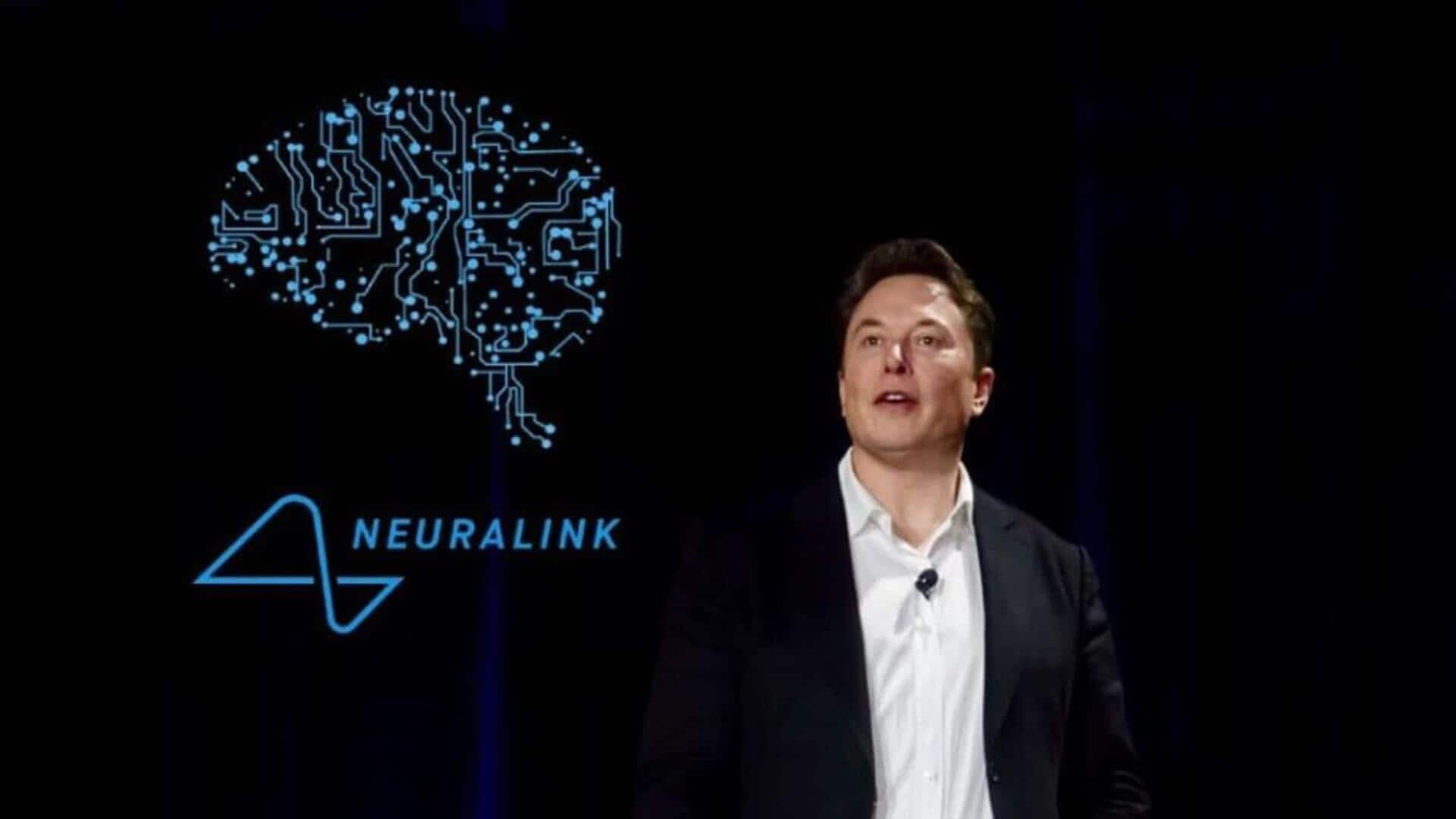
Elon Musk’s neurotechnology company, known for developing cutting-edge brain implant devices, has recently been classified as a “disadvantaged business,” a designation that may allow it to benefit from specific government programs aimed at supporting minority-owned or economically underrepresented enterprises. This classification raises questions about the company’s strategic positioning and potential implications for its growth trajectory within a competitive tech industry.
The brain implant company, which operates at the forefront of neural interface innovation, focuses on developing implantable devices designed to bridge human cognitive functions with advanced computer systems. These devices hold promise in fields ranging from medical treatment for neurological disorders to enhancing human-machine interaction.
To be officially recognized as a disadvantaged business indicates that the company might be eligible for federal contracts and grants, which give preference to businesses owned by people from socially or economically marginalized backgrounds. These classifications are components of wider initiatives to promote diversity, equity, and inclusion in government procurement activities.
Critics and industry observers have noted the unusual nature of this registration, given the high-profile leadership and substantial funding behind the company. Questions arise about how the business meets the criteria for disadvantaged status, which typically requires evidence of minority ownership or demonstration of economic disadvantage, often scrutinized during application.
Advocates of the classification contend that the designation offers significant opportunities for innovation-focused companies to obtain resources that might otherwise be inaccessible, particularly in industries where government contracts can greatly expedite research and development.
El campo de la neurotecnología se caracteriza por una competencia acérrima, lo que demanda una inversión significativa y colaboración con agencias gubernamentales para proyectos vinculados a la atención médica, la defensa, y la inteligencia artificial. Acceder a programas federales destinados a empresas desfavorecidas podría facilitar a la compañía un trato preferencial en oportunidades de licitación y colaboraciones.
This strategic move may also reflect a broader trend of tech companies exploring diverse avenues to secure funding, reduce operational costs, and navigate regulatory landscapes. The government’s emphasis on supporting small and disadvantaged businesses aligns with policy goals to foster innovation while promoting economic inclusivity.
Elon Musk’s ventures often push the boundaries of technology and market expectations, and this latest development underscores the complexities of blending entrepreneurial ambition with available public incentives. While the designation may offer practical advantages, it also invites closer examination of the definitions and criteria used in categorizing businesses within the tech sector.
The consequences go beyond one company; they highlight the way new industries intersect with national policies focused on social equity. As brain-computer interface technology advances, the connection between private sector innovation and governmental support systems will likely become a topic of greater examination and debate.
The designation of the brain implant firm as a disadvantaged business might affect its access to resources, collaborations, and agreements crucial for its capacity to innovate and expand. People will be monitoring how this status influences the company’s activities and larger discussions about fairness in the tech sector.
