

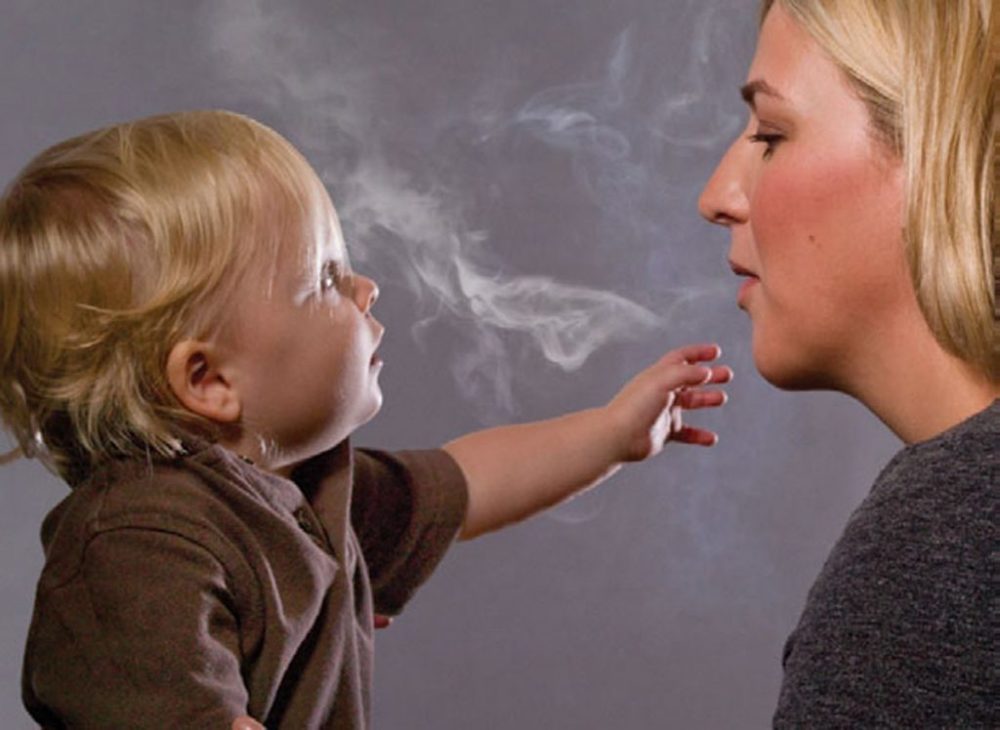
In recent times, medical experts have noted with concern a rising number of cases involving nicotine poisoning in babies and toddlers. This development has raised alerts among child specialists, public health authorities, and caregivers, underlining the critical necessity for heightened awareness and protective actions to shield the most susceptible age groups from contact with dangerous substances.
Nicotine, primarily known for its presence in tobacco products and e-cigarettes, poses significant risks when ingested or absorbed by children. Even small amounts can lead to serious health complications, given the sensitivity of young bodies to toxic substances. The surge in poisoning cases reflects broader societal changes, including the proliferation of vaping devices and nicotine-containing products in homes, often within easy reach of children.
Medical information reveals that hospitals are encountering a higher number of incidents where infants and young children exhibit signs compatible with nicotine poisoning. These signs can vary from minor problems like nausea, vomiting, and an accelerated heartbeat to more serious occurrences such as seizures, breathing difficulties, and, in severe situations, potentially fatal complications. The uncertain nature of these effects makes it essential to seek medical help right away if exposure is suspected.
A factor contributing to the increasing number of cases is the rising popularity of e-cigarettes and vaping products. These tools frequently have concentrated nicotine in liquid form, often flavored to attract adults but unintentionally enticing to young ones. The packaging may lack child-proof features, raising the likelihood of accidental ingestion. Additionally, the convenience and covert use of these items make them prevalent in home settings where children reside and play.
Guardians and caretakers might not consistently identify the possible risks associated with liquids that have nicotine, or they might believe that minor amounts are harmless. This misunderstanding can lead to delayed action, making situations worse. As a result, public health initiatives have highlighted the necessity of securely storing nicotine products, ensuring they are kept away from children’s view and access, and informing families about the signs of poisoning.
Health regulators are additionally promoting tighter controls on product packaging and labeling. Measures under consideration to minimize accidental exposure include child-proof lids, prominent danger alerts, and restrictions on child-appealing flavor additives. Several areas have proposed or are contemplating laws designed to restrict the availability of high-strength nicotine solutions, particularly in homes with small children.
Beyond prevention, there is a call for improved training among healthcare providers to quickly identify and manage nicotine poisoning cases in pediatric patients. Early diagnosis can significantly improve treatment outcomes and reduce the risk of long-term harm. Protocols for care include decontamination procedures, supportive therapies, and close monitoring for complications.
Participating in community efforts is crucial for tackling this problem. It is recommended that pediatricians, educational institutions, and childcare workers share details about nicotine safety, including emergency procedures. Resources designed specifically for parents focus on maintaining awareness and implementing practical measures to reduce hazards at home.
The increase in nicotine poisonings among young children also highlights wider issues associated with tobacco regulation and health education for the public. Even though smoking rates have dropped in numerous areas for adults, the emergence of alternative nicotine products has brought about new complications. This changing scenario demands flexible strategies that safeguard individuals of all ages while honoring the preferences of adults.
Studies are ongoing regarding the prolonged impacts of nicotine exposure in early life. Although immediate poisoning can lead to instant effects, there are ongoing worries about possible developmental changes when exposure happens frequently or in minimal amounts over an extended period. This highlights the need for thorough prevention strategies to minimize all types of children’s contact with nicotine.
As knowledge increases, numerous entities have initiated efforts to inform the community about the unnoticed risks of nicotine within residences. These efforts emphasize that nicotine is a strong poison, and, unlike various domestic threats, it can lead to quick and serious poisoning even in very small quantities. Making sure that those providing care recognize this fact is crucial to minimizing unintentional consumption.
Recognizing the growing trend, certain medical systems have established dedicated centers and hotlines for poison control to assist parents and emergency personnel. These services deliver instant guidance on identifying symptoms, applying immediate care, and determining when to obtain professional medical assistance.
The collective effort to address nicotine poisoning in babies and toddlers involves multiple stakeholders: regulators, manufacturers, healthcare providers, educators, and families. Each plays a role in creating safer environments where children are protected from preventable risks associated with nicotine exposure.
In the future, it will be crucial to keep an eye on the rates of poisoning to evaluate how well prevention measures are working and to spot new issues that may arise. With the introduction of new nicotine products in the marketplace, it is vital that attentiveness remains strong to adjust public health strategies when needed.
Ultimately, reducing nicotine poisonings in young children demands a proactive and coordinated approach. Raising awareness, enforcing safety standards, supporting healthcare systems, and empowering caregivers will be critical steps to safeguard children’s health and well-being in an environment where nicotine products are increasingly prevalent.
