

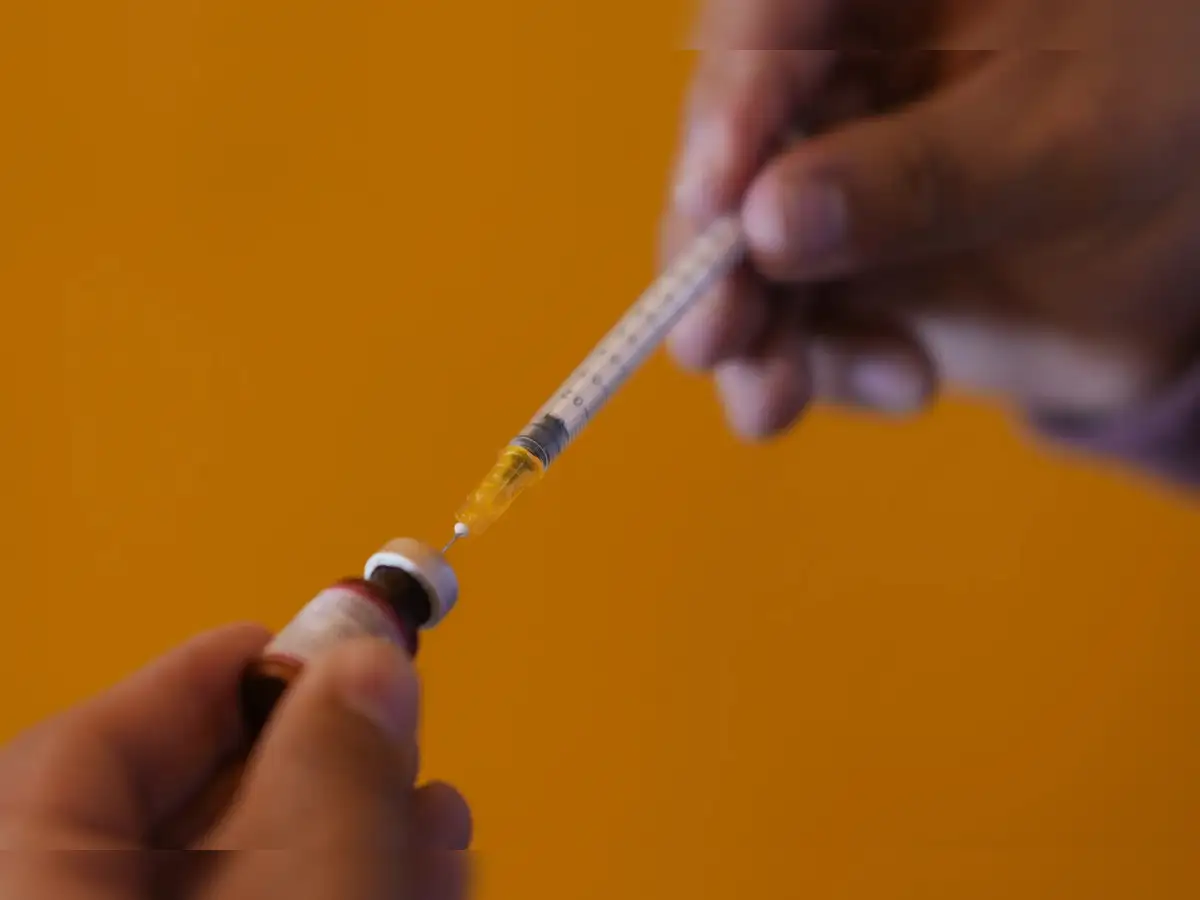
The United States is experiencing a troubling return of measles, a disease that had been declared eradicated in the country more than twenty years ago. Medical professionals and government representatives are expressing concern as the reported cases have climbed to the highest level since 2000, the year when measles was officially said to be eliminated from the nation thanks to effective vaccination programs.
This troubling increase reflects broader public health challenges, including declining vaccination rates in certain communities, the spread of misinformation, and the complex dynamics of global travel. While the United States continues to maintain high overall immunization coverage, pockets of unvaccinated populations have created vulnerabilities that allow measles to gain a foothold once more.
Measles, a highly contagious viral infection, is transmitted through airborne respiratory particles when someone infected coughs or sneezes. It is so infectious that if a person has measles, approximately 90% of nearby people who have not been immunized will contract it too. The illness usually starts with symptoms like fever, coughing, a runny nose, and red eyes, progressing to a characteristic rash that spreads throughout the body. Although many recover without issues, measles can lead to severe consequences such as pneumonia, inflammation of the brain (encephalitis), and even death, especially in young children and individuals with weakened immune systems.
The latest increase in incidents has been primarily associated with travelers from abroad bringing the virus into the nation and communities where vaccination rates have fallen below the level needed for herd immunity. In the United States, the measles, mumps, and rubella (MMR) vaccine has played a fundamental role in public health, significantly lowering the frequency of these diseases. Yet, when immunization rates fall below around 95%, the population becomes vulnerable to outbreaks.
Specialists highlight reluctance towards vaccination as a major element driving the present increase in measles outbreaks. This reluctance arises from various origins, such as false information circulating on social networks, a lack of trust in healthcare organizations, and personal or religious opposition to immunization. The outcomes of these choices are manifesting as heightened spread of the disease, threatening not just the individuals opting out of vaccination, but also those unable to get vaccinated due to valid medical conditions.
Adding to the problem is the effect of the COVID-19 pandemic, which disrupted standard schedules for childhood vaccinations globally. Lockdowns, difficulties accessing healthcare, and hesitancy to visit medical centers resulted in many children missing their vaccinations. As communities reopened and global travel restarted, these immunity gaps allowed highly contagious illnesses such as measles to reemerge.
Centers for Disease Control and Prevention (CDC) along with various public health organizations are highlighting the critical need to address these immunization deficiencies. They emphasize that measles is not a harmless disease—it can result in serious, life-threatening complications. The rise in occurrences underscores the significance of sustaining strong vaccination initiatives, even in nations where specific illnesses have been eradicated in the past.
Another contributing factor to the increasing rates of measles is its global aspect. Measles remains active in various regions worldwide, such as Europe, Asia, and Africa, where vaccination rates vary. International travel enables the virus to enter the U.S., where communities with lower vaccination rates can promote its spread. The World Health Organization (WHO) has likewise indicated substantial rises in measles cases globally, highlighting that this concern extends beyond just one nation and is a broader global health issue.
The effects of measles outbreaks extend beyond just the health impact on those who become ill. These outbreaks put a strain on public health resources, as authorities must undertake extensive contact tracing, offer emergency vaccinations, and handle public communications to halt the spread. The financial expenses of controlling even a minor measles outbreak can amount to hundreds of thousands of dollars, adding extra pressure to already overburdened healthcare systems.
Additionally, measles outbreaks damage public trust in managing diseases and vaccination initiatives. They generate anxiety and uncertainty, potentially worsening existing doubts and false information. Health experts highlight that clear and open communication, along with education, are essential instruments in restoring confidence and emphasizing the significance of immunization.
The current situation also highlights disparities in access to healthcare and vaccination services. In some communities, logistical barriers such as transportation, language access, and healthcare availability contribute to lower vaccination rates. Addressing these systemic challenges is essential for ensuring that every child and adult has the opportunity to receive life-saving immunizations.
Public health organizations are currently intensifying their attempts to address vaccine reluctance by collaborating with local leaders, educational institutions, medical professionals, and religious groups. By adapting communication strategies to fit the distinct cultural and social characteristics of various groups, health authorities aim to boost the acceptance and uptake of vaccines. These community-driven actions, alongside regulatory measures like mandatory school vaccinations, are essential in stopping the spread of measles.
It’s crucial to highlight that the MMR vaccine demonstrates high efficacy. Receiving two doses offers approximately 97% immunity against measles, and any adverse effects are generally minor, like discomfort at the injection spot or a slight fever. The vaccine’s safety has been validated by extensive research and continuous surveillance over the years, establishing it as one of the most effective public health measures in contemporary times.
Alongside vaccination, raising public understanding of measles symptoms and how it spreads is crucial for prompt identification and control. Medical professionals are being encouraged to stay alert and think of measles as a possible diagnosis in patients showing related symptoms, especially if they have recently traveled abroad or have been exposed to recognized outbreaks.
Looking ahead, specialists emphasize that avoiding future outbreaks demands ongoing dedication. This involves maintaining robust vaccination strategies, consistent public awareness initiatives, and ensuring healthcare infrastructures are ready to address new cases promptly. The COVID-19 pandemic illustrated the rapid societal disruption caused by infectious diseases, and the reappearance of measles highlights the necessity of persistently safeguarding public health achievements.
The broader implications of the current surge extend beyond measles itself. It underscores the fragile nature of herd immunity and the dangers of complacency. Diseases once considered relics of the past can return with surprising speed when preventive measures falter. Maintaining high vaccination rates is essential not only for measles control but also for other vaccine-preventable diseases that could similarly resurface if vigilance declines.
As the United States addresses this reemerging challenge, collaboration among federal agencies, state health departments, healthcare experts, and community groups will be crucial. Achieving success will rely on the mutual recognition that vaccination is not merely a personal decision but a communal duty that safeguards the most at-risk individuals in society.
For families, this is a chance to review vaccination records and confirm that both kids and grown-ups are current with advised immunizations. In a globally connected environment where viruses transcend borders, taking individual steps to prevent disease transmission remains one of the most efficient methods to protect public well-being.
In conclusion, the resurgence of measles in the United States after decades of control is a call to action. It reflects gaps in vaccination coverage, the impact of misinformation, and the need for renewed public health focus. Through education, policy, and community engagement, it is possible to reverse this trend and reaffirm the nation’s commitment to disease prevention and child health.
