

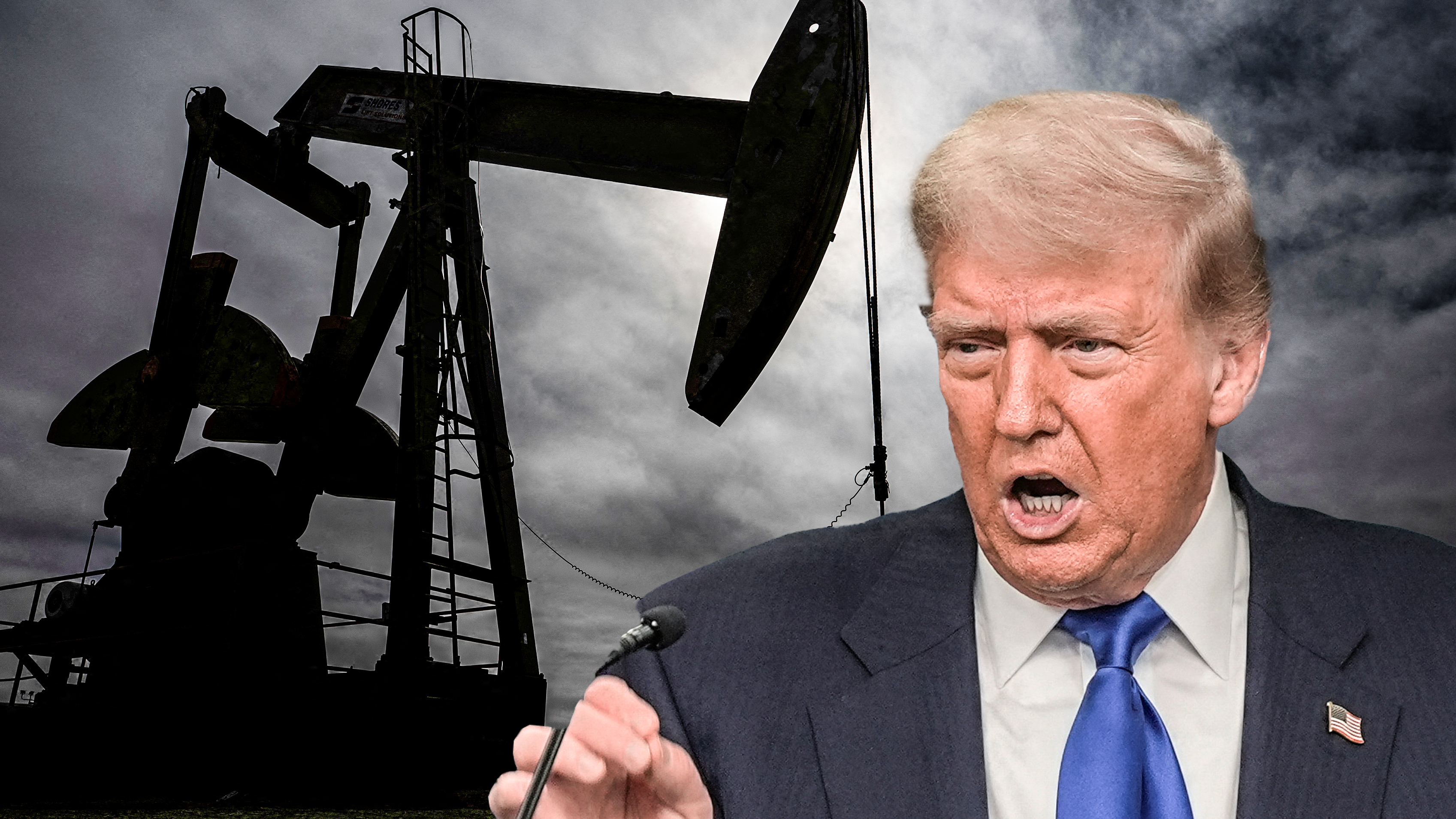
As conversations about worldwide commerce proceed to develop, the ex-U.S. President Donald Trump has garnered attention once more with an audacious plan that might transform global economic connections. During a recent political gathering, Trump mentioned that should he regain the presidency, his government would think about introducing a further 10% duty on products from nations opting to join the growing Brics coalition—an economic group comprising Brazil, Russia, India, China, and South Africa.
The proposal reflects Trump’s longstanding belief that aggressive tariff policies can serve as a powerful tool to protect U.S. industries and counterbalance the influence of rising global competitors. While his remarks were met with a mix of approval from his political base and concern from economists, the potential implications of such a move warrant closer examination.
Brics, initially formed as an informal grouping of fast-growing economies, has in recent years sought to expand its reach and influence in the global marketplace. Discussions among member nations have touched on deepening trade ties, increasing investment cooperation, and even establishing alternative financial systems that challenge the dominance of Western-led institutions. As the bloc gains momentum, the idea of additional nations joining Brics has raised alarms among some Western policymakers who fear a gradual shift in global economic power.
Trump’s cautionary message on tariffs seems to point directly at this particular trend. By hinting at potential sanctions for nations that fortify their bonds with Brics, Trump seeks to deter actions he views as reducing U.S. dominance in international commerce. His suggestion is not entirely unanticipated, considering his history of leveraging tariffs during his time in office, involving notable confrontations with China, the European Union, and North American allies.
The proposal of a 10% duty, however, adds new layers of complexity. This suggested policy differs from past trade conflicts that concentrated on particular sectors or bilateral discrepancies, as it is more comprehensive, possibly affecting a wide array of countries depending on their geopolitical stance instead of specific trading practices.
This kind of strategy might result in significant economic impacts. Numerous nations contemplating stronger ties with Brics are key trade associates of the United States, providing a range of products from raw materials to finished goods. An overall tariff might increase expenses for both U.S. consumers and corporations, interrupt supply networks, and provoke counteractions from the countries involved.
Critics of the idea have been quick to point out the risks. Economists warn that the global economy is already grappling with challenges such as inflation, supply chain disruptions, and geopolitical instability. Introducing new tariffs could exacerbate these issues, slowing economic growth and potentially leading to higher prices for American consumers.
Additionally, specialists in international commerce indicate that penalizing nations for their diplomatic decisions might damage U.S. standing in the international arena. Instead of bolstering partnerships, these measures could lead other countries to align with opposing groups, hastening the shift in global power that Trump aims to halt.
From a strategic standpoint, the rise of Brics presents a legitimate challenge to Western economic dominance. The combined economies of Brics members represent a significant share of global GDP, and the group’s efforts to enhance cooperation in trade, energy, and technology have the potential to reshape international markets over the coming decades. In this context, Trump’s remarks tap into broader anxieties about the future of U.S. leadership in a multipolar world.
However, there is ongoing debate about the most effective way for the United States to respond to these developments. Some policymakers advocate for deeper engagement with emerging economies through diplomacy, trade agreements, and investment partnerships. Others, like Trump, favor more confrontational tactics aimed at protecting domestic industries and pressuring foreign governments to reconsider their alliances.
The mechanics of how such a tariff policy could be implemented remain unclear. Would the additional 10% duty apply uniformly to all goods from nations associated with Brics? How would temporary cooperation or limited engagement be treated? Would exemptions be granted for strategic imports such as energy or pharmaceuticals? These unanswered questions highlight the complexity of translating political rhetoric into actionable trade policy.
The potential fallout from implementing such tariffs also raises questions about U.S. domestic industries. Many American manufacturers, retailers, and technology firms rely heavily on imports from countries that might be affected by this policy. Raising tariffs could increase production costs, reduce competitiveness, and potentially lead to job losses in industries that depend on global supply chains.
Over time, tariffs have shown varied effectiveness as an economic policy instrument. Although they might offer short-term support to specific sectors, they generally lead to increased costs for consumers and may trigger countermeasures that negatively impact exporters. The trade conflict between the U.S. and China under Trump’s earlier term serves as an example of these effects, where tariffs caused consumer prices to rise, created business uncertainty, and made minimal headway on fundamental trade challenges.
Proponents of Trump’s approach argue that tariffs can be an effective bargaining chip, forcing foreign governments to the negotiating table and creating space for new trade deals that better serve American interests. They point to the renegotiation of the North American Free Trade Agreement, which resulted in the United States-Mexico-Canada Agreement (USMCA), as evidence that tough trade tactics can yield tangible outcomes.
Even when tariffs have provided immediate political successes, the enduring economic effects continue to be a topic of discussion. Numerous economists warn that ongoing dependence on tariffs might diminish trust, heighten instability, and eventually undermine economic strength.
Beyond the economic debate, Trump’s tariff proposal also intersects with broader geopolitical shifts. The growing influence of Brics reflects a changing world order in which emerging economies are asserting greater autonomy and seeking alternatives to traditional Western-led institutions such as the World Bank and International Monetary Fund. This shift is driven in part by dissatisfaction with the existing global financial architecture, perceived double standards, and a desire for greater representation in international decision-making.
The expansion of Brics could have implications for everything from global energy markets to digital currency systems. The group has already explored the idea of creating a shared currency to reduce reliance on the U.S. dollar in international transactions—an idea that, if realized, could have profound consequences for American economic influence.
In this scenario, the tariff suggested by Trump acts not just as a financial tool but also as a representation of sustaining U.S. dominance in a changing world scene. By warning of sanctions against countries that associate with Brics, Trump highlights his wider perspective that emphasizes national independence, economic autonomy, and a pragmatic stance on global interactions.
The effectiveness of this strategy in reaching its intended objectives is still unclear. International commerce is intricately connected, and efforts to alter its dynamics through single-sided measures frequently face opposition and unforeseen outcomes. Additionally, the success of any such strategy would largely rely on its development, execution, and the wider global context during that period.
For now, Trump’s remarks serve primarily as a signal of the trade policy direction he might pursue if given another term in office. They also highlight the growing importance of Brics as an economic force and the challenge it poses to established powers. As the global economy continues to shift, the decisions made by the United States—and its potential future leaders—will play a critical role in shaping the trajectory of international commerce and cooperation.
Businesses, investors, and policymakers alike will be watching closely as trade discussions evolve, recognizing that tariffs, alliances, and economic influence are deeply interconnected. Whether through cooperation, competition, or confrontation, the balance of global trade is set to remain a defining issue of the 21st century.
