

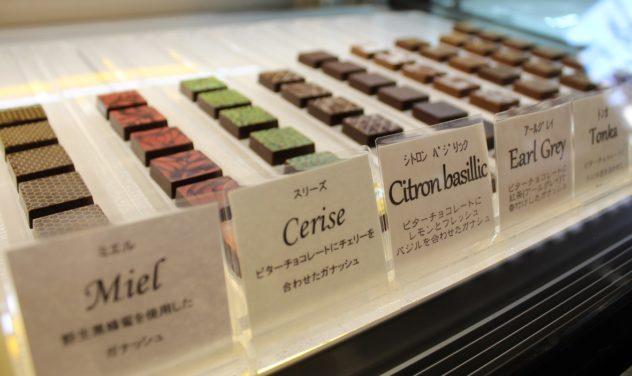
In recent weeks, chocolate prices in the UK have surged, driven by persistent inflation that remains at its highest level in over a year. This increase in prices has raised concerns among consumers and retailers alike, prompting discussions about the broader implications for the confectionery market and the economy as a whole.
The increase in chocolate costs can be linked to multiple factors, such as higher production expenses, interruptions in the supply chain, and increased demand. As the prices of raw ingredients keep rising, producers are compelled to transfer these costs to consumers. Components like cocoa, sugar, and dairy have all experienced price hikes, causing a widespread impact on the industry.
Inflation has posed a substantial problem in the UK, affecting several industries with rising costs for necessary products and services. The confectionery segment is also feeling the impact, and chocolate, a favorite indulgence for many, has gotten pricier. This development has resulted in a clear change in consumer habits, with some people choosing to buy less or look for cheaper options.
Retailers are experiencing pressure as well. Several have noted a drop in sales as buyers become more selective about their spending behaviors. As living expenses increase, people are giving precedence to their essential expenses, which can influence non-essential buys such as chocolate. Retailers are now faced with the challenge of navigating this difficult environment, balancing the necessity to uphold profits while also accommodating evolving consumer tastes.
The influence of increasing chocolate costs goes beyond personal buys; it also influences the wider economy. As shoppers modify their purchasing habits, companies might see variations in demand, possibly resulting in changes in production and job opportunities. The sweets industry, which provides jobs for many people and plays a crucial role in the economy, may have to adjust to these evolving market conditions.
In response to these challenges, some chocolate manufacturers are exploring strategies to mitigate costs. Innovations in sourcing, production processes, and packaging may help reduce expenses and maintain competitive pricing. Additionally, brands are increasingly focusing on sustainability and ethical sourcing, which can resonate with consumers looking for responsible purchasing options.
Customer perception is vital in the chocolate industry. As inflation impacts household finances, brands that can clearly convey their value propositions might perform better under these conditions. Highlighting quality, flavor, and ethical sourcing can attract consumers who prefer to invest more in products that resonate with their principles.
Despite the challenges posed by rising prices, the love for chocolate remains strong. Many consumers view it as a small indulgence that brings joy, making it less likely for them to completely abandon their favorite treats. However, as prices continue to climb, brands may need to reassess their marketing strategies and product offerings to retain loyal customers while attracting new ones.
The outlook for the chocolate industry in the UK is expected to be influenced by numerous elements, such as international economic trends, consumer preferences, and the manufacturers’ capability to adjust to evolving scenarios. With inflation being a persistent issue, the sector needs to remain flexible, prepared to tackle both challenges and opportunities that could emerge.
In summary, the increasing costs of chocolate in the UK showcase the persistent impact of inflation on the economy. As the expenses for production increase and consumer purchasing patterns change, both producers and sellers need to manage a complicated market. By emphasizing creativity, sustainability, and clear messaging, the chocolate sector can strive to keep its attractiveness despite economic hurdles. The longstanding affection for chocolate indicates that although prices might vary, the craving for this cherished delight will persist, pushing the industry to evolve and prosper in times of uncertainty.
