

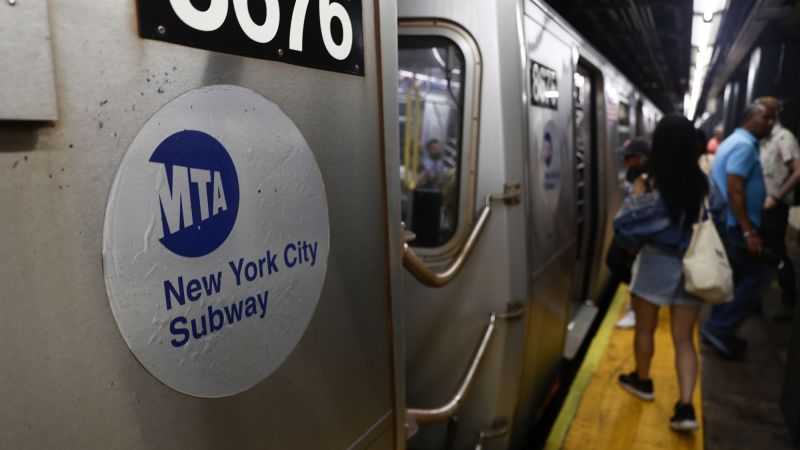
The New York City Metropolitan Transportation Authority (MTA) has partnered with Google for a groundbreaking pilot project designed to enhance the dependability of its outdated subway network. Utilizing Google’s smartphone technology, this initiative aims to detect and resolve track problems proactively to prevent service interruptions. Called “TrackInspect,” the program marks a major advancement in incorporating artificial intelligence and contemporary technology into public transportation.
La iniciativa piloto, que inició en septiembre de 2024 y finalizó en enero de 2025, consistió en equipar algunos vagones del metro con teléfonos Google Pixel. Estos dispositivos se encargaron de recolectar datos de audio y vibración para identificar posibles fallas en las vías. Luego, la información fue evaluada a través de los sistemas de inteligencia artificial en la nube de Google, los cuales señalaban las zonas que necesitaban una revisión más detallada por parte del personal de la MTA.
“In recognizing the initial indicators of track deterioration, we not only decrease maintenance expenses but also lessen disruptions experienced by passengers,” stated Demetrius Crichlow, the president of New York City Transit, in a statement issued in late February.
“By identifying early signs of track wear and tear, we not only reduce maintenance costs but also minimize disruptions for riders,” said Demetrius Crichlow, president of New York City Transit, in a statement released in late February.
The MTA’s partnership with Google is part of a broader effort to modernize New York’s 120-year-old subway system, which continues to face challenges related to aging infrastructure and frequent delays. While the pilot program demonstrated promising results, questions remain about whether TrackInspect will be expanded given the financial constraints facing the MTA.
New York City’s commuters frequently encounter subway delays as a recurring issue. Towards the end of 2024, the MTA disclosed that tens of thousands of delays were occurring monthly, with December alone surpassing 40,000 incidents. These interruptions stem from multiple causes, such as track problems, construction activities, and crew shortages.
El programa TrackInspect se centra en abordar un aspecto crucial del problema: detectar y solucionar problemas mecánicos antes de que se agraven. Durante la prueba piloto, se instalaron seis teléfonos Google Pixel en cuatro vagones R46 del metro, reconocidos por sus asientos de color naranja y amarillo. Los dispositivos registraron 335 millones de lecturas de sensores, más de un millón de datos de GPS y 1,200 horas de audio.
The smartphones were strategically located both inside and beneath the subway cars. The external devices were fitted with microphones to record both sound and vibrations, whereas the internal phones had their microphones deactivated to ensure passenger conversations weren’t recorded. These internal devices focused exclusively on capturing vibrations to identify any irregularities in the tracks.
The smartphones were strategically placed both inside and underneath the subway cars. While the external devices were equipped with microphones to capture audio and vibrations, the internal phones had their microphones disabled to ensure passenger conversations were not recorded. Instead, these devices focused solely on vibrations to detect irregularities in the tracks.
Rob Sarno, an assistant chief track officer with the MTA, played a key role in the project. His responsibilities included reviewing audio clips flagged by the AI system to identify potential track issues. “The system highlighted areas with abnormal decibel levels, which could indicate loose joints, damaged rails, or other defects,” Sarno explained.
Encouraging outcomes, yet challenges persist
The TrackInspect initiative produced promising results, as the AI system accurately identified 92% of defect locations that were confirmed by MTA inspectors. Sarno estimated his own accuracy rate in anticipating track defects from audio data to be approximately 80%.
El programa también incorporó una herramienta impulsada por inteligencia artificial basada en el modelo Gemini de Google, que permitía a los inspectores hacer preguntas sobre protocolos de mantenimiento e historial de reparaciones. Esta inteligencia artificial conversacional ofrecía a los inspectores información clara y útil, lo que facilitaba aún más el proceso de mantenimiento.
The program also included an AI-powered tool based on Google’s Gemini model, which allowed inspectors to ask questions about maintenance protocols and repair history. This conversational AI provided inspectors with clear, actionable insights, further streamlining the maintenance process.
Despite its success, the pilot program raises questions about scalability and cost. The MTA has not disclosed how much it would cost to implement TrackInspect across its entire subway system, which includes 472 stations and serves over one billion riders annually. The agency is already grappling with financial challenges, needing billions of dollars to complete existing infrastructure projects.
An increasing trend in transit advancement
A growing trend in transit innovation
New York’s partnership with Google is part of a broader trend in which cities worldwide are adopting artificial intelligence and smart technologies to improve public transit systems. For example, New Jersey Transit has used AI to analyze passenger flow and crowd management, while the Chicago Transit Authority has implemented AI-driven security measures to detect weapons. In Beijing, facial recognition technology has been introduced as an alternative to traditional transit tickets, reducing wait times during peak hours.
La red de metro de la MTA es la más grande de Estados Unidos, brindando servicio las 24 horas en muchas de sus líneas. Este funcionamiento continuo añade otra capa de complejidad a los esfuerzos de mantenimiento, ya que las reparaciones y mejoras a menudo deben realizarse junto al servicio activo. Con el uso de tecnología de inteligencia artificial y teléfonos inteligentes, el programa TrackInspect podría ayudar a la MTA a enfrentar estos desafíos de manera más eficiente.
The MTA’s subway network is the largest in the United States, with 24-hour service on many lines. This round-the-clock operation adds another layer of complexity to maintenance efforts, as repairs and upgrades often need to be conducted alongside active service. By using AI and smartphone technology, the TrackInspect program could help the MTA address these challenges more efficiently.
Looking ahead
While the TrackInspect pilot has ended, the MTA is exploring partnerships with other technology providers to further enhance its maintenance processes. The agency is also analyzing data from the pilot to determine its impact on reducing delays and improving service. Early indications suggest that certain types of delays, such as those caused by braking issues and track defects, decreased on the A line during the pilot period. However, the MTA cautions that further analysis is needed to confirm a direct link to the program.
For now, the pilot represents a promising step toward modernizing the MTA’s operations and addressing the challenges of an aging transit system. By combining the expertise of tech companies like Google with the experience of transit professionals, New York City may be able to deliver a more reliable subway experience for its millions of daily riders.
As Sarno reflects on the project, he emphasizes the potential of AI-driven solutions to transform public transportation. “This technology allows us to detect problems earlier, respond faster, and ultimately provide better service to our customers,” he said.
The MTA’s collaboration with Google underscores the potential of public-private partnerships to drive innovation in critical infrastructure. Whether TrackInspect becomes a permanent fixture in New York’s subway system remains to be seen, but its success highlights the possibilities of integrating cutting-edge technology into the daily lives of commuters.
